Inicio / Hyperbaric Oxygen Therapy for Cardiovascular Conditions

Heart & vascular health · Scottsdale & Glendale

Hyperbaric oxygen therapy for cardiovascular conditions

Explore an encouraging direction in heart and vascular research. Clinical studies have reported improvements in cardiac blood flow, exercise capacity, and measures of heart-muscle performance after HBOT in selected patient groups.1, 2, 3

At RX-O2, a consultation connects that research with your health history, your cardiology care, and the activities you hope to enjoy more fully.

HBOT for improving general cardiovascular health remains an emerging, off-label use. It complements medical evaluation and prescribed care; it is not a replacement for heart medicines, cardiac rehabilitation, stents, or surgery.

Inside an RX-O2 walk-in hyperbaric chamber, with upright seats, windows and the open entrance
Room to settle in. A team to guide you.Explore our chamber options during your consultation.
Inside an RX-O2 walk-in hyperbaric chamber before treatment.
FDA-cleared chambersHard-shell hyperbaric systems
100% medical oxygenBreathed through a dedicated mask or hood
Physician-led careIndividual medical evaluation
NHSA-certified techniciansAttentive monitoring during your visit

A conversation with a clear purpose

What could improved cardiovascular function mean for you?

Perhaps your goal is greater stamina, confidence in daily activities, or a better understanding of options alongside your current care. These are the areas where HBOT research offers promising findings to explore.

01 / Exercise capacity

Supporting your capacity to stay active

A randomized study in sedentary older adults found improvements in exercise-test measures after HBOT. This creates an encouraging starting point for discussing stamina, while keeping your clinician’s activity plan in place.1

02 / Heart-muscle performance

Exploring better cardiac function

In a sham-controlled post-COVID study, HBOT improved a sensitive ultrasound measure of heart-muscle contraction among participants with reduced function at baseline.2

03 / Blood flow to the heart

Looking at the smaller vessels, too

The older-adult trial also found improved cardiac perfusion in its MRI subgroup. Perfusion describes blood reaching the heart muscle, an important part of delivering oxygen where it is needed.1

04 / Blood-vessel function

Encouraging a healthier vascular response

Studies in patients with coronary stents or slow coronary flow reported better vessel-function measurements and favorable changes in inflammatory markers with adjunctive HBOT.3, 6

You do not need all the answers before contacting us. Bring your questions, your current care plan, and what you hope to understand. A consultation can help you weigh potential benefits, uncertainty, practical needs, and costs before making a treatment decision.

Why oxygen is part of the conversation

Oxygen delivery, vessel health, and the heart

Your heart depends on a continuous supply of oxygen. Blood vessels also rely on a healthy inner lining, called the endothelium, to help regulate blood flow and vascular responses.

HBOT increases the oxygen dissolved in the blood while you breathe medical oxygen under pressure. Researchers are examining how repeated treatments may influence small-vessel circulation, inflammatory signaling, and tissue responses to limited oxygen.9

The most useful question is what those effects mean for a particular person. A change in an ultrasound measurement, blood marker, or exercise test can be encouraging, but it does not automatically demonstrate fewer future heart attacks or removal of an arterial blockage.

A specialist consultation can help you connect the findings to your diagnosis, discuss the potential value of treatment, and coordinate the next step with the team already caring for your heart.

Human clinical research

Where studies have reported benefit

Each study below identifies who was treated and what improved. This helps you explore the possibilities with a clearer understanding of how the evidence may apply to you.

Literature checked
September 12, 2026

2026 · Prospective combination-treatment study

Improved heart function and walking distance

100 patients with ischemic cardiomyopathy · six-month interim results

Patients receiving HBOT together with enhanced external counterpulsation (EECP) and heart-failure medicines showed improvements in pumping function, walking distance, and symptom classification. Average ejection fraction rose from approximately 34% to 41%; six-minute walking distance increased from approximately 244 to 367 meters.

This was a before-and-after study without a randomized comparison group. EECP and medicines were integral parts of treatment, so the results cannot identify the benefit of HBOT alone. Longer follow-up and controlled studies are needed.

Read the 2026 combination-treatment report

2024 · Randomized controlled trial

Better exercise capacity and cardiac perfusion

63 older adults completed the study · cardiac MRI in a subgroup

Adults over 64 receiving HBOT improved in maximal oxygen consumption and the exercise level at which breathing begins to rise more sharply. Cardiac MRI also showed improved blood flow and blood volume in the heart muscle compared with the control group.

Participants knew their allocation, the control group received no chamber intervention, and long-term benefit was not established. This was an aging study, not proof of benefit for every form of heart disease.

Read the exercise and perfusion trial

2023 · Randomized, sham-controlled trial

Improved heart-muscle contraction after COVID

60 patients with persistent post-COVID symptoms

Twenty-nine participants had reduced global longitudinal strain, a sensitive measure of heart-muscle shortening, despite a normal ejection fraction. Among this subgroup, HBOT improved the strain measurement compared with sham treatment.

The findings concern selected post-COVID patients and a short follow-up interval. They do not establish a treatment for all heart failure or show a reduction in future cardiovascular events.

Read the post-COVID cardiac trial

2019 · Retrospective comparison

Improved vascular measurements after coronary stenting

115 patients · HBOT added to conventional care

Patients receiving adjunctive HBOT had more favorable changes in brachial-artery flow-mediated dilation, nitric oxide, and selected inflammatory and endothelial markers than the comparison group.

The study was not randomized and focused on vessel-function measurements and biomarkers. It does not demonstrate that HBOT replaces stenting, clears plaque, or prevents a later heart attack.

Read the vascular-function study
2020: encouraging ultrasound changes in older adults

In an uncontrolled study of 31 older adults, several measures of cardiac performance improved after HBOT. Average ejection fraction increased modestly, from about 60.7% to 62.3%, while already within the normal range. The findings are exploratory and do not establish treatment effectiveness for symptomatic heart failure. Read the echocardiography study.

2018: vascular-function benefits in slow coronary flow

A retrospective study of 98 patients with angiographically diagnosed slow coronary flow compared conventional treatment with conventional treatment plus HBOT. The HBOT group had favorable changes in vessel dilation and selected blood markers. These are promising physiological findings; the study does not establish long-term protection from cardiovascular events. Read the slow-coronary-flow study.

2010: HBOT before coronary bypass surgery

A randomized study of 81 patients reported better postoperative left-ventricular stroke work and a smaller rise in a marker of heart-muscle injury after HBOT preconditioning. It also reported a shorter intensive-care stay. This was a specific hospital surgical protocol; any consideration before surgery requires the surgeon, anesthesiologist, and hyperbaric team to coordinate care. Read the bypass-surgery study.

2026 systematic review: myocardial injury and inflammatory markers

A review of five clinical studies involving 431 patients found encouraging signals in heart-muscle injury and inflammatory or endothelial markers across selected coronary and surgical settings. Differences between studies prevented a pooled meta-analysis, and larger prospective trials are needed. Several included studies overlap with the research discussed separately here. Read the 2026 review.

2024 review: why researchers are interested in the endothelium

This review explores HBOT’s potential effects on vascular signaling, inflammation, antioxidant defenses, and vessel repair. It combines clinical and experimental evidence, offering a useful explanation of the biology being studied. Mechanistic promise is a reason for further research, rather than proof of a clinical benefit for every cardiovascular diagnosis. Read the endothelial-health review.

Find newer cardiovascular and HBOT research on PubMed. Results are sorted by publication date. Newly listed papers have not necessarily been reviewed for this page.

A plan that fits your medical care

Bring your goals and your cardiology history

Whether you are interested in vascular health, assessed changes after COVID, or the research on exercise capacity, an RX-O2 consultation can help you take an informed next step.

Tell us which diagnosis has been made, what has changed, and what you would like to improve. A licensed medical provider reviews the potential role of HBOT and can coordinate with your cardiologist before treatment.

  • Diagnosis and cardiology notes
  • Recent echocardiogram, if available
  • Current medicines and blood-pressure history
  • Prior stents, bypass surgery, or admissions
  • Pacemaker or defibrillator information
  • Activity goals and rehabilitation plan

Heart failure calls for additional planning. HBOT can increase the heart’s workload and, in susceptible patients, contribute to fluid buildup in the lungs. A small safety study found that most carefully assessed patients completed treatment without cardiovascular complications, while two developed heart-failure symptoms. Stable medical treatment, appropriate screening, and monitoring matter.10

Keep taking medicines as prescribed and continue your cardiac rehabilitation or activity plan. Do not skip diuretics or change medicines to prepare for HBOT unless your treating medical provider instructs you to do so.

The RX-O2 difference

Your facility matters. So does your team.

From your first questions to each treatment visit, our Scottsdale and Glendale clinics focus on medical oversight, patient education, and attentive care.

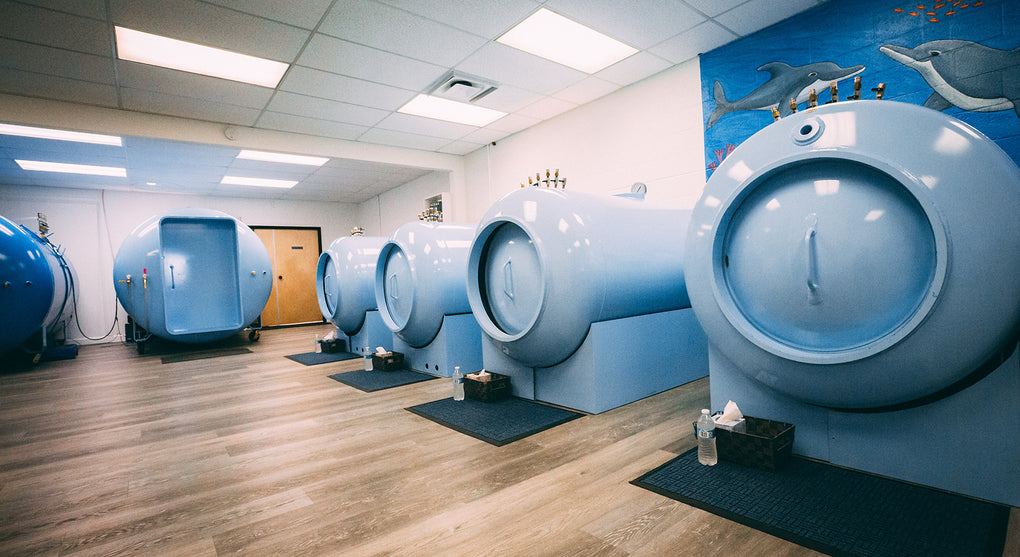
RX-O2 treatment room with individual hard-shell chambers and a larger walk-in chamber
Chamber options inside an RX-O2 clinic.

Care led by a physician

Medical Director Marvin A. Borsand, DO, FACOS, FACCS, HCC, leads clinical oversight. A licensed medical provider evaluates suitability and prescribes treatment when appropriate.

FDA-cleared hard-shell chambers

Our facilities use prescription-level hyperbaric systems, with chamber selection and treatment settings matched to your prescribed plan.

100% medical-grade oxygen

You breathe oxygen through a dedicated mask or hood while the chamber is pressurized with air. Your technicians monitor you throughout treatment.

NHSA-certified hyperbaric technicians

Our technicians are certified through the National Hyperbaric Safety Association and trained in chamber operations, patient monitoring, and emergency procedures.

Meet the RX-O2 team

Your next step, made straightforward

From curiosity to an individual plan

  1. Share your priorities

    Talk about your current care and what matters most: activity, recovery, or understanding a new option.

  2. Review the evidence and fit

    A licensed medical provider considers the studies relevant to your situation, your medical history, and treatment suitability.

  3. Plan treatment and follow-up

    If HBOT is appropriate, review the recommended visits, progress measures, costs, and coordination with your cardiology team.

Start with a consultation before choosing a package. Our pricing and packages page shows current options. The right plan depends on your evaluation; a research protocol is not a prescription for every patient.

Local care, two Valley locations

Explore HBOT in Scottsdale or Glendale

Looking for a hyperbaric consultation near Phoenix? RX-O2 offers two locations for patients across the Valley. Call the clinic closest to you for appointment availability and help planning repeat visits.

Your questions are welcome

HBOT and cardiovascular health FAQs

Ask about the findings that interest you and how they relate to the care you already receive.

What cardiovascular benefits have studies shown?

Selected studies report improvements in exercise capacity, cardiac perfusion, heart-muscle contraction measurements, and vascular-function markers. Those findings support an informed consultation. The size and likelihood of benefit depend on the population studied, the treatment used, and the outcome measured. Explore the clinical studies.

Can HBOT help with cardiovascular changes after COVID?

A sham-controlled trial reported improved heart-muscle strain in selected post-COVID participants with reduced measurements at baseline. Bring any relevant cardiac testing to your consultation. Persistent chest symptoms, breathlessness, or palpitations still need appropriate medical assessment before being attributed to long COVID or treated with HBOT.2

Does HBOT clear blocked arteries or replace a stent?

No clinical evidence here establishes that HBOT clears coronary plaque or replaces revascularization. The stent study evaluated HBOT added to conventional care. Keep prescribed medicines and follow your cardiologist’s recommendations for procedures and rehabilitation.

Can someone with heart failure receive HBOT?

Sometimes, following careful medical review and stabilization. Heart failure can increase the risk of fluid accumulation in the lungs during HBOT. Suitability depends on symptoms, recent cardiac assessment, blood pressure, and medical management; an ejection-fraction number alone does not settle the decision.10

What does the 2026 heart-failure study mean for me?

It offers encouraging findings for a program combining HBOT, EECP, and guideline-directed medicines. Because there was no randomized comparison group and several treatments were used together, it cannot tell us what HBOT alone would achieve. A consultation can help you understand the relevance of that combination research.4

Can I ask about HBOT before or after bypass surgery?

Yes, as part of a coordinated discussion with your surgical team. A small randomized preconditioning study reported favorable postoperative measures, but it does not establish a universal outpatient schedule around heart surgery. Your surgeon and anesthesiologist must be involved in timing and suitability.7

Will HBOT lower my blood pressure?

HBOT is not a substitute for blood-pressure treatment. Pressure and oxygen exposure can temporarily increase blood pressure and vascular resistance. Bring your readings and medication list so the evaluating provider can review whether treatment is appropriate.10

What if I have a pacemaker or implanted defibrillator?

Tell us before treatment and bring the manufacturer and model details. The team must verify device compatibility with the proposed pressure and coordinate with the managing clinician. Do not assume every implant is compatible or change device settings yourself.

What chambers, oxygen, and safety measures does RX-O2 use?

We use FDA-cleared hard-shell chambers. You breathe 100% medical oxygen through a dedicated mask or hood while the chamber is pressurized with air. Our physician-led team and NHSA-certified technicians support prescribed care. Risks include ear-pressure injury, usually temporary visual changes, and confinement anxiety; less common serious complications include oxygen-induced seizures and lung injury. Clothing, medicines, and devices are checked for compatibility. Electronics and battery-powered devices are not allowed inside chambers.12, 13

How many sessions will I need, and will insurance cover them?

There is no single established HBOT course for general cardiovascular health. The evaluating provider discusses suitability, goals, visits, and reassessment. Check pricing and packages and confirm any insurance benefits before purchasing. Published research and FDA clearance of a chamber do not guarantee coverage for a particular use.

Where can I schedule an HBOT consultation near Phoenix?

RX-O2 has clinics in Scottsdale and Glendale. Call 480-270-6090 for Scottsdale or 623-930-0887 for Glendale, or book online. For possible heart-attack symptoms, call 911 instead of waiting for an appointment.

Make room for a conversation about your heart health.

Visit RX-O2 in Scottsdale or Glendale to explore the potential benefits of HBOT and what an individual plan could look like for you.

Sources & further reading

  1. Hadanny A et al. (2024). Physical enhancement of older adults using hyperbaric oxygen: a randomized controlled trial. BMC Geriatrics, 24, 572.
  2. Leitman M et al. (2023). The effect of hyperbaric oxygen therapy on myocardial function in post-COVID-19 syndrome patients: a randomized controlled trial. Scientific Reports, 13.
  3. Li Y et al. (2019). Hyperbaric oxygen may improve vascular endothelial function in patients undergoing coronary stent implantation. Undersea and Hyperbaric Medicine, 46(2), 145–152.
  4. Akber S et al. (2026). Combined Enhanced External Counterpulsation and Hyperbaric Oxygen Therapy in Ischemic Cardiomyopathy: Interim Results of a Prospective Study. Journal of Cardiac Failure.
  5. Leitman M et al. (2020). The effect of hyperbaric oxygenation therapy on myocardial function. International Journal of Cardiovascular Imaging, 36, 833–840.
  6. Li Y et al. (2018). Effects of hyperbaric oxygen on vascular endothelial function in patients with slow coronary flow. Cardiology Journal, 25(1), 106–112.
  7. Yogaratnam J et al. (2010). Hyperbaric oxygen preconditioning improves myocardial function, reduces length of intensive care stay, and limits complications post coronary artery bypass graft surgery. Cardiovascular Revascularization Medicine, 11(1), 8–19.
  8. Almomany M et al. (2026). Effects of Hyperbaric Oxygen Therapy on Myocardial Injury and Inflammatory Biomarkers: A Systematic Review With Qualitative Synthesis. Cureus, 18.
  9. Batinac T et al. (2024). Endothelial Dysfunction and Cardiovascular Disease: Hyperbaric Oxygen Therapy as an Emerging Therapeutic Modality? Journal of Cardiovascular Development and Disease, 11(12), 408.
  10. Schiavo S et al. (2024). Safety of hyperbaric oxygen therapy in patients with heart failure: A retrospective cohort study. PLOS ONE, 19(2), e0293484.
  11. American Heart Association. Warning Signs of a Heart Attack.
  12. FDA (2025). Follow Instructions for Safe Use of Hyperbaric Oxygen Therapy Devices.
  13. Heyboer M III et al. (2017). Hyperbaric Oxygen Therapy: Side Effects Defined and Quantified. Advances in Wound Care, 6(6), 210–224.

This page includes seven clinical benefit reports, two cardiovascular reviews, a heart-failure safety cohort, and three additional safety or guidance references. Some aging reports concern the same research population, and reviews may include studies discussed individually. These references are not thirteen independent trials.

Literature checked September 12, 2026. This is a source-check date, not an independent physician-review attestation or an exhaustive systematic review. New papers require assessment before their findings are added. Educational information does not replace emergency evaluation, diagnosis, or an individual treatment plan.