
Inicio / Hyperbaric Oxygen Therapy for Autism Spectrum Disorder

Scottsdale & Glendale, Arizona

Hyperbaric oxygen therapy for autism spectrum disorder

Explore the possibilities with a hyperbaric specialist. Some studies report encouraging changes in communication and everyday functioning. At RX-O2, a consultation gives your family time to review the research, discuss your goals, and understand whether further evaluation for HBOT makes sense.1, 2

HBOT is an off-label, investigational approach for autism, with mixed clinical evidence. It is not an established autism treatment or a cure. Continue recommended developmental, educational, and medical support.

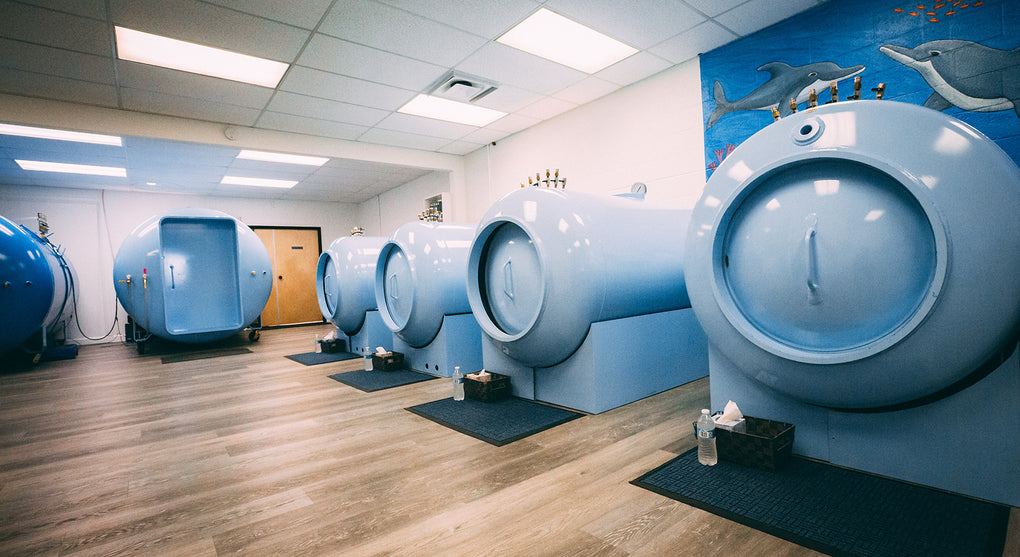
Hard-shell hyperbaric chambers in an RX-O2 treatment room
Your questions are welcome.Physician-led hyperbaric care for an informed next step.
Inside RX-O2 Hyperbaric Clinics.
FDA-cleared chambersHard-shell hyperbaric systems
100% medical oxygenBreathed through a dedicated mask or hood
Physician-led careMedical evaluation before treatment
NHSA-certified techniciansAttentive monitoring throughout your visit

Understanding the possibilities

Research into communication, participation, and well-being

Autistic people have individual strengths, preferences, and support needs. A useful conversation starts with goals that matter to the person and their family, such as expressing needs, feeling comfortable, and participating in daily life.

01 / Communication

Exploring changes in understanding and interaction

A controlled study reported improvements on selected clinician-rated measures, including receptive language. Its mild-pressure, oxygen-enriched protocol differs from 100% oxygen HBOT.2
02 / Daily functioning

Looking at outcomes that matter to families

A 2025 meta-analysis reported favorable pooled results for communication, cognitive awareness, and behavior. Study quality and substantial differences between studies limit confidence in those estimates.1

03 / Developing science

Investigating inflammation and brain signaling

Animal studies explore effects on inflammatory signaling and social behavior. They offer a research rationale, but cannot establish brain repair or clinical benefit in autistic people.5, 6

You do not need all the answers before contacting us. Bring your questions, your current care plan, and what you hope to understand. A consultation can help you weigh potential benefits, uncertainty, practical needs, and costs before making a treatment decision.

Published research

Promising findings to discuss with a specialist

Literature checked

The studies below highlight potential benefits and the details needed to interpret them. Reviews include earlier trials, so their participant counts should not be added to those of the original studies.

Evidence synthesis · 2025

A broader view of reported functional changes

17 studies · 890 participants · Mixed study designs

Tu and colleagues pooled randomized and quasi-experimental studies and found favorable results on several autism-related rating scales.

The review searched through March 2024. Poor study quality and high heterogeneity limit certainty; pooled findings do not predict an individual response or establish a standard treatment protocol.

Read the 2025 systematic review

Multicenter clinical trial · 2009

Encouraging changes on selected clinical ratings

62 children randomized · Ages 2–7

After 40 sessions, the treatment group had better clinician-rated overall functioning, receptive language, and social interaction than the comparison group. Not all rating-scale outcomes favored treatment.

The study used 1.3 ATA with 24% oxygen, not 100% oxygen. Several investigators disclosed commercial interests in hyperbaric treatment. The findings cannot establish the benefit of RX-O2’s prescribed protocols.

Read the multicenter trial

Clinical trial · 2023

Further investigation using 100% oxygen

180 enrolled · 154 followed at one year

A three-group study compared HBOT, risperidone, and a medication placebo. Investigators reported larger improvements in autism rating scores in the HBOT group.

The HBOT group received 100% oxygen at 1.5 ATA. Participants knew they received HBOT, there was no sham-chamber group, and some participants were lost to follow-up. The findings need independent confirmation and do not justify replacing prescribed medication.

Read the 2023 clinical trial

How to interpret the overall evidence

Controlled results are mixed. A blinded 60-child trial of 100% oxygen at 1.5 ATA did not find a significant advantage on its main ATEC comparisons over sham treatment. A Cochrane review found insufficient evidence of benefit and more ear-pressure injuries in the included trial. These findings help explain why HBOT is not established as standard autism care.8, 9

A specialist can help you understand both the encouraging findings and the remaining uncertainty in relation to your family’s situation.

Explore the wider evidence

More clinical observations and developing science

Open a study to see its findings and limitations. Animal experiments and uncontrolled observations answer different questions from blinded clinical trials.

2025 review: potential mechanisms and clinical questions

Jankowska and colleagues discuss proposed effects on inflammation, neuroplasticity, and oxidative stress alongside reported changes in communication and psychosocial functioning. The review acknowledges inconsistent findings and treatment risks. It summarizes existing literature rather than providing a new controlled patient trial. Read the 2025 review.

2024 rat study: social behavior and GRIN2B signaling

In a prenatal valproic-acid exposure model, researchers observed changes in social interaction, exploration, and expression of a gene involved in nerve-cell signaling after HBOT. These findings are preclinical. They do not demonstrate that HBOT corrects an autism-related gene or improves communication in people. Read the rat study.

2022 mouse study: social behavior and neuroinflammation

A study in mice carrying a specific Shank3 mutation reported improved social behavior and changes in cortical inflammation markers after HBOT. This supports investigation of possible biological mechanisms. A single genetic animal model cannot represent the range of autistic people or predict human benefit. Read the mouse study.

2020 clinical observations: selected behavioral and sensory ratings

A before-and-after study of 39 children reported improvement in selected rating-scale items and the total Childhood Autism Rating Scale score after 40 sessions. One communication item worsened. Without a control group, these changes cannot be attributed confidently to HBOT. Read the clinical observations.

2007 pilot: parent observations and an inflammation marker

An 18-child open-label pilot reported parent-observed improvements and lower pooled C-reactive protein, a general inflammation marker. A measured oxidative-stress marker did not change significantly. The study included two oxygen/pressure regimens and had no untreated comparison group. Read the pilot study.

Research watch · 2026 conference abstract

Continued interest in potential adjunctive use

A 2026 European Psychiatry conference abstract reviews potential mechanisms and selected functional findings, while calling for better-designed trials. It is a brief literature review, not new evidence from an independent treatment trial. Read the conference abstract.

Find newer autism and hyperbaric research on PubMed · Live results may include papers that have not been assessed for this page.

A thoughtful first visit

Let’s make the conversation useful for your family

Tell us how your child communicates, what helps them feel comfortable, and what you want to understand about HBOT. Bring the child’s own preferences into the discussion, using their preferred way of communicating.

  • Communication and sensory preferences
  • Current therapies and school support
  • Medical history and medicines
  • Family goals and practical needs

Ask about familiarization with the setting, ear-pressure equalization, mask or hood tolerance, positioning, and caregiver participation. These practical questions are part of assessing whether the setting and treatment demands are appropriate.

Build on the support already helping. Continue recommended speech and language, occupational, developmental, educational, and medical care. Address sleep, pain, gastrointestinal symptoms, or seizures with the appropriate clinician. Improvements in comfort or participation should be tracked without assuming every change is caused by HBOT.12

The RX-O2 difference

Your facility matters. So does your team.

From your first questions to each treatment visit, our Scottsdale and Glendale clinics focus on medical oversight, patient education, and attentive care.

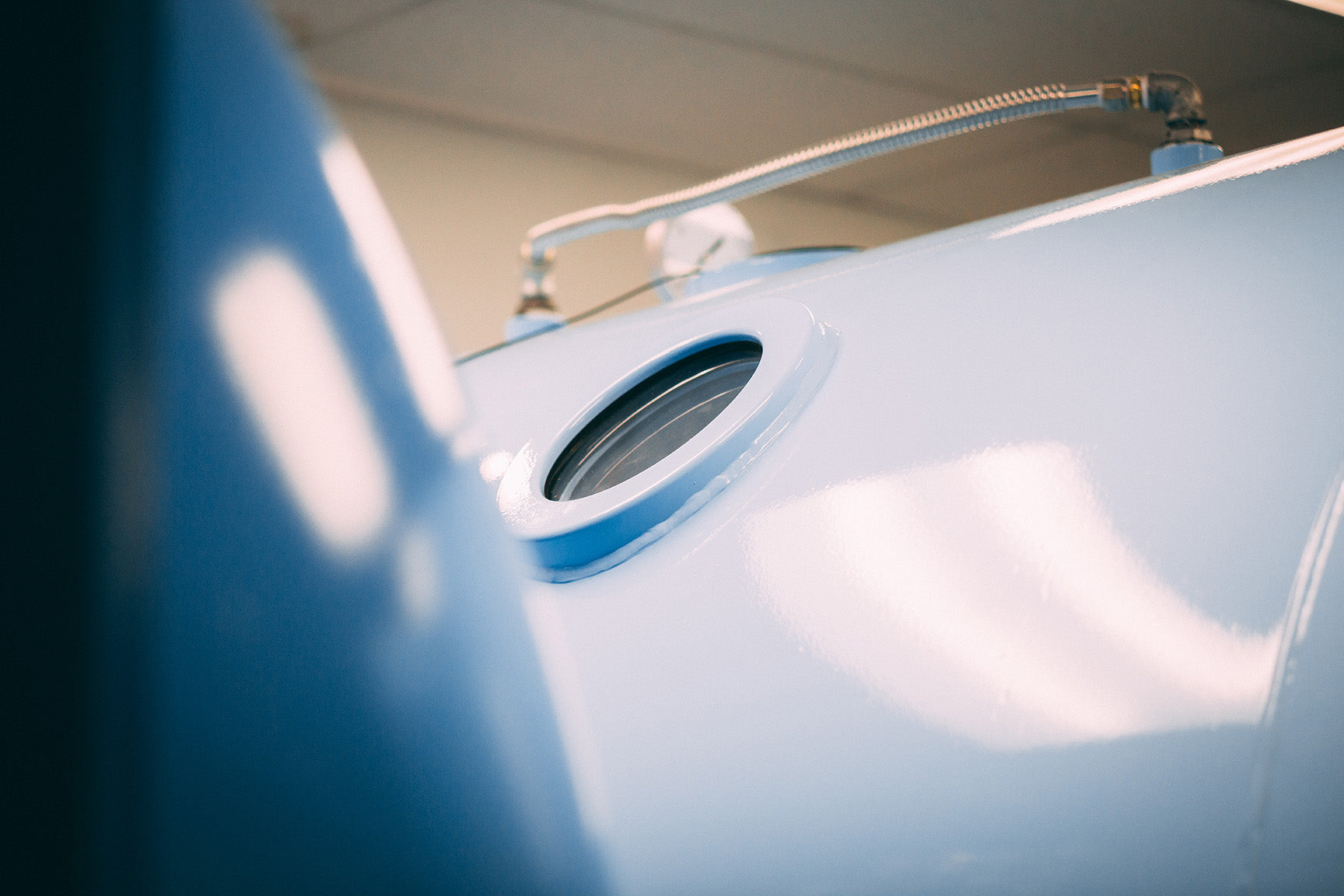
Close-up of a hard-shell hyperbaric chamber at RX-O2

Care led by a physician

Medical Director Marvin A. Borsand, DO, FACOS, FACCS, HCC, leads clinical oversight. A licensed medical provider evaluates suitability and prescribes treatment when appropriate.

FDA-cleared hard-shell chambers

Our facilities use prescription-level hyperbaric systems, with chamber selection and treatment settings matched to your prescribed plan.

100% medical-grade oxygen

You breathe oxygen through a dedicated mask or hood while the chamber is pressurized with air. Your technicians monitor you throughout treatment.

NHSA-certified hyperbaric technicians

Our technicians are certified through the National Hyperbaric Safety Association and trained in chamber operations, patient monitoring, and emergency procedures.

Meet the RX-O2 team

Getting started

A consultation is a clear first step

  1. Share your questions

    Bring relevant evaluations, a medication list, current therapy information, and the questions that matter most to your family.

  2. Review the possibilities

    Discuss the evidence, sensory and communication needs, treatment risks, and whether a licensed medical provider recommends further evaluation.

  3. Make an informed decision

    If treatment is prescribed after evaluation, discuss goals, visit frequency, costs, caregiver needs, and when to reassess benefit and tolerance.

Understand the commitment before purchasing. Our pricing and packages page lists current options. Start with a consultation; there is no established HBOT session count or protocol for autism.

Local care, two Valley locations

Explore HBOT in Scottsdale or Glendale

Looking for a hyperbaric consultation near Phoenix? RX-O2 offers two locations for patients across the Valley. Call the clinic closest to you for appointment availability and help planning repeat visits.

Before your visit

Questions families ask about HBOT and autism

You are welcome to contact us even if you are still exploring the research.

Is a consultation worthwhile if we are undecided?

Yes. A consultation is an opportunity to ask questions, discuss the research, review medical and practical considerations, and decide on an appropriate next step. Scheduling a consultation does not establish that HBOT is suitable for your child.

What benefits might be possible?

Selected studies report encouraging changes in communication, awareness, and some behavioral ratings. Other controlled studies have not confirmed a clear benefit. No particular response can be promised, and the evidence does not establish that HBOT treats or reverses autism.

Is this an FDA-approved treatment for autism?

No. Use for autism is off-label and investigational. RX-O2 uses FDA-cleared chambers; equipment clearance does not establish approval or effectiveness for autism.

Are mild-pressure studies the same as treatment at RX-O2?

No. Studies vary in pressure, oxygen concentration, session length, and frequency. RX-O2 provides prescribed treatment using 100% medical oxygen through a mask or hood in an air-pressurized chamber. Findings from a 24% oxygen study cannot establish the effectiveness of that approach for autism, and higher oxygen or pressure does not guarantee greater benefit.

How do you plan for sensory needs and a caregiver?

A parent or caregiver is required for pediatric treatment. Discuss the chamber arrangement, caregiver screening, and your child’s communication and comfort needs before scheduling sessions. Tell us if your child uses an electronic communication device so an approved communication plan can be considered. Electronics and battery-powered devices are not allowed inside RX-O2 chambers.

What safety questions should we discuss?

Share seizure history, ear or sinus problems, lung conditions, implanted devices, and all medicines. HBOT can cause ear-pressure injury, temporary vision changes, and confinement anxiety; less common serious risks include oxygen-induced seizures and lung pressure injury. Fire-prevention rules and continuous staff monitoring remain essential.13, 14

Can autistic adults ask about a consultation?

Yes. Adults can contact RX-O2 to discuss their own questions, health history, preferences, and goals. Most autism-specific HBOT research concerns children, so those findings cannot establish benefits for autistic adults.

Where can we meet with a hyperbaric specialist near Phoenix?

Choose RX-O2 Scottsdale or Glendale. Book online, call 480-270-6090 for Scottsdale, or call 623-930-0887 for Glendale. Let the team know about communication, sensory, or mobility needs when arranging the visit.

Bring your questions. Explore your options.

Meet with the RX-O2 team in Scottsdale or Glendale and take an informed next step.

Sources & further reading

  1. Tu P et al. (2025). The effectiveness of hyperbaric oxygen therapy in children and adolescents and with autism spectrum disorders: A systematic review and meta-analysis. Prog Neuropsychopharmacol Biol Psychiatry.
  2. Rossignol DA et al. (2009). Hyperbaric treatment for children with autism: a multicenter, randomized, double-blind, controlled trial. BMC Pediatr.
  3. Mohamed AS et al. (2023). Therapeutic Impacts of Hyperbaric Oxygen Therapy and Risperidone on Children with Autism: A Clinical Trial. Basic Clin Neurosci.
  4. Kostiukow A et al. (2020). The effectiveness of hyperbaric oxygen therapy (HBOT) in children with autism spectrum disorders. Pol Merkur Lekarski.
  5. Fischer I et al. (2022). Hyperbaric Oxygen Therapy Alleviates Social Behavior Dysfunction and Neuroinflammation in a Mouse Model for Autism Spectrum Disorders. Int J Mol Sci.
  6. Mohtaj Khorassani Y et al. (2024). Effects of hyperbaric oxygen therapy on autistic behaviors and GRIN2B gene expression in valproic acid-exposed rats. Front Neurosci.
  7. Rossignol DA et al. (2007). The effects of hyperbaric oxygen therapy on oxidative stress, inflammation, and symptoms in children with autism: an open-label pilot study. BMC Pediatr.
  8. Sampanthavivat M et al. (2012). Hyperbaric oxygen in the treatment of childhood autism: a randomised controlled trial. Diving Hyperb Med.
  9. Xiong T et al. (2016). Hyperbaric oxygen therapy for people with autism spectrum disorder (ASD). Cochrane Database Syst Rev.
  10. Jankowska K et al. (2025). Hyperbaric oxygen therapy (HBOT) in the treatment of autism spectrum disorders. Postepy Biochem.
  11. Wójtowicz W et al. (2026). Hyperbaric Oxygen Therapy (HBOT) in the Treatment of Autism Spectrum Disorders. European Psychiatry, 69(Suppl 1), S874. Conference abstract.
  12. CDC. Treatment and Intervention for Autism Spectrum Disorder.
  13. FDA (2025). Follow Instructions for Safe Use of Hyperbaric Oxygen Therapy Devices.
  14. Heyboer M III et al. (2017). Hyperbaric Oxygen Therapy: Side Effects Defined and Quantified. Advances in Wound Care, 6(6), 210–224.

This page discusses ten selected research publications and one separately labeled conference abstract. Reviews summarize earlier studies and are not independent treatment trials. Original studies and reviews may include the same participants. Other references address autism support and HBOT safety.

Literature checked September 11, 2026. This is a source-check date, not an independent physician-review attestation or an exhaustive systematic review. These summaries are educational; a clinical evaluation is needed to discuss individual suitability.