
Support for fistula healing
Crohn’s studies have reported reduced fistula drainage, lower perianal disease activity, and improvements on imaging. This is especially relevant when fistulas persist despite established medical and surgical care.1, 2
Inflammatory bowel disease · Scottsdale & Glendale
Explore a promising addition to your IBD care. Research suggests that hyperbaric oxygen therapy may support healing in difficult Crohn’s fistulas and improve treatment response in selected people with ulcerative colitis.1, 7, 9
At RX-O2, a consultation helps connect that research with your diagnosis, current treatment, and goals—so you can decide whether HBOT deserves a place in your care plan.
HBOT for Crohn’s disease and ulcerative colitis is an investigational, off-label use. It complements gastroenterology care; it is not a proven cure or a replacement for prescribed treatment.
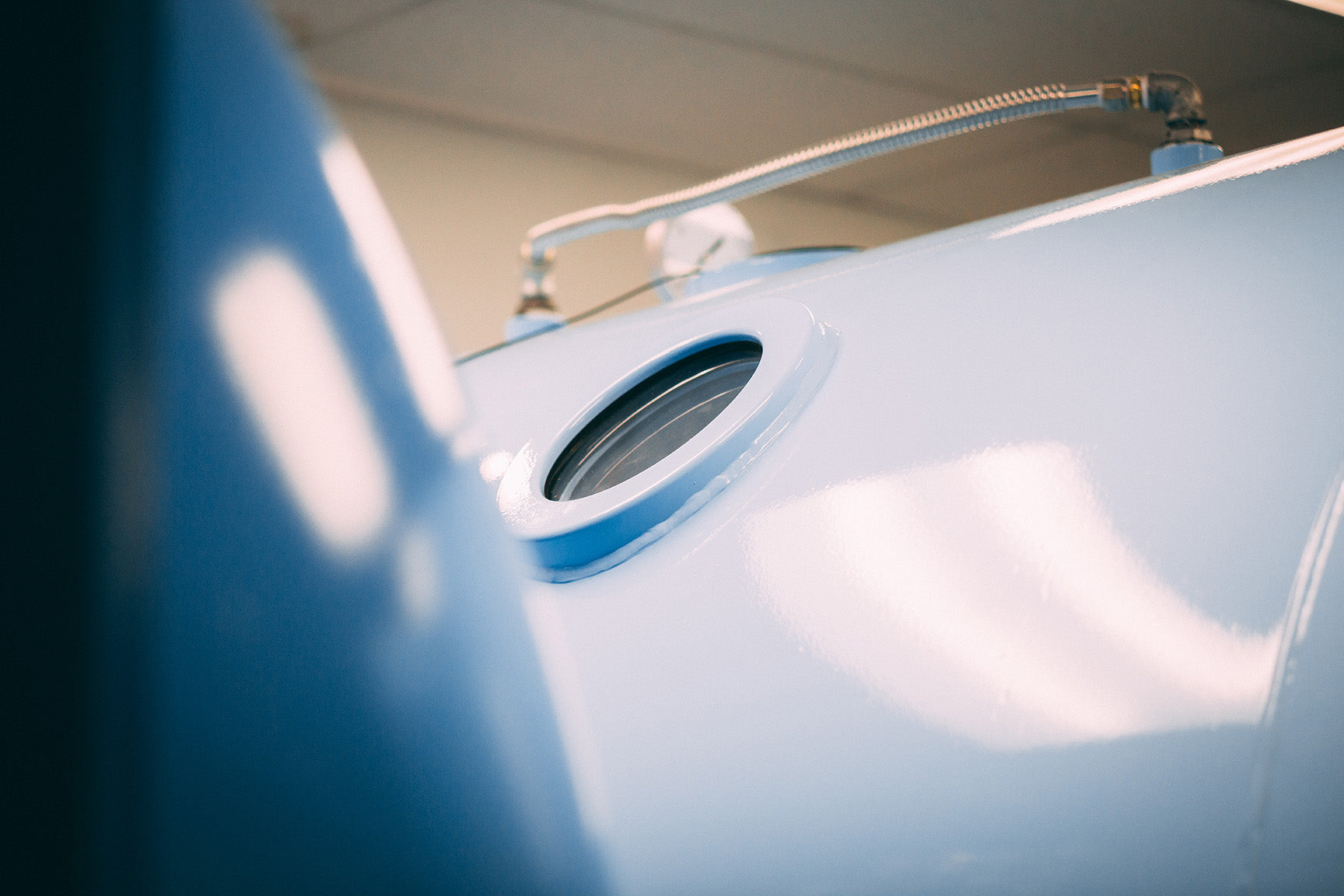
Oxygen and the healing environment
Inflamed intestinal tissue can have high oxygen demands and disrupted oxygen delivery. HBOT increases the oxygen carried in the blood during treatment. Researchers are studying how this affects inflammation, tissue repair, and the interaction between the intestinal lining and gut microbes.3, 9, 10
Crohn’s disease and ulcerative colitis are distinct conditions. The most relevant evidence depends on whether your concern is a persistent perianal fistula, active inflammation inside the bowel, or recovery after surgery. A specialist consultation helps make that distinction.
Crohn’s studies have reported reduced fistula drainage, lower perianal disease activity, and improvements on imaging. This is especially relevant when fistulas persist despite established medical and surgical care.1, 2
Small clinical trials have reported improvements in bleeding, stool frequency, and disease activity when HBOT was added to ongoing treatment. Some participants achieved clinical remission.7, 8, 9
Clinical and laboratory research is exploring changes in inflammatory activity, bowel perfusion, and the gut microbiome. These findings offer a biological rationale for continued study.3, 9, 10
You do not need all the answers before contacting us. Bring your questions, your current care plan, and what you hope to understand. A consultation can help you weigh potential benefits, uncertainty, practical needs, and costs before making a treatment decision.
Experiencing a severe flare? Severe or worsening abdominal pain, heavy bleeding, fever with significant illness, persistent vomiting, or dehydration need prompt medical assessment. Seek emergency care for severe symptoms. A painful swelling near a fistula may be an abscess that needs urgent evaluation. Do not wait for an outpatient HBOT appointment.14, 15
Evidence you can explore
Start with the studies most relevant to your diagnosis. Each summary explains the encouraging finding, the treatment setting, and the limits that matter when planning care.
Literature checked
Crohn’s disease
Perianal fistulas can bring persistent drainage, discomfort, and repeated procedures. HBOT research offers a reason to explore additional support, particularly when established treatments have not achieved the desired healing.
HOT-TOPIC · 2022 · Prospective cohort
20 patients with treatment-resistant Crohn’s perianal fistulas; 40 HBOT sessions
13 of 20 had a drainage-based clinical response
At the one-year follow-up, four patients met drainage-based clinical remission criteria. Perianal disease activity and MRI scores also remained improved compared with baseline.
Response means improvement, not necessarily complete fistula closure. This small study was not randomized, and its findings do not establish an expected success rate for an individual patient.1
Read the HOT-TOPIC follow-upPiotrowicz and colleagues · 2024 · Small cohort
11 patients receiving HBOT alongside conventional treatment
Researchers reported improvements in Crohn’s activity, perianal disease scores, endoscopic findings, and fecal calprotectin. Some improvements remained evident during later follow-up.
The small group and lack of a randomized comparison limit how confidently the changes can be attributed to HBOT.2
Read the perianal fistula studyLi and colleagues · 2024 · Exploratory study
10 patients in the HBOT group and 10 controls, with additional laboratory work
The HBOT group showed reductions in inflammatory markers and Crohn’s disease activity, alongside changes in gut microbes. Follow-up during ustekinumab treatment suggested a possible additional benefit.
Differences in clinical response and remission between groups were not statistically conclusive. These early findings support further study of luminal Crohn’s disease—the inflammation inside the intestine.3
Read the clinical and microbiome studyHammad and colleagues compared patients receiving HBOT during complex perineal fistula repair with matched surgical controls. They found encouraging associations after stoma reversal and among patients with multiple previous repairs. Overall six-month healing differences were not statistically conclusive.
This was a retrospective study of mixed fistula types, not a Crohn’s-only trial or a test of HBOT without surgery. It supports a coordinated reconstructive approach in selected cases.4
A 2025 Mayo Clinic series illustrates the distinction: four of six patients reported symptom improvement, but objective improvement was seen in only one, and most later needed surgery. That makes reassessment of drainage, examination findings, and imaging important even when someone feels better.5
Fistula anatomy matters. In the HOT-REVA pilot, none of nine patients with Crohn’s rectovaginal fistulas achieved clinical closure after HBOT at three-month follow-up. The encouraging perianal findings should not be assumed to apply to every fistula type. Your colorectal surgeon’s assessment helps identify the appropriate care pathway.6
HBOT may be considered as an additional option while medications, drainage or seton care, nutrition support, and necessary surgery continue. It does not treat an undrained abscess or reverse a fixed intestinal blockage. Share your MRI reports, procedure history, and current treatment plan with the clinician evaluating you.14
Ulcerative colitis
UC trials have examined whether adding HBOT can help settle inflammation and improve response to medical treatment. A new 2026 pilot extends that research to patients whose disease has remained active despite multiple advanced therapies.
PARADOX · May 2026 · Open-label pilot
16 patients with failure of at least two advanced therapies; background treatment continued
6 of 16 met the combined response endpoint
At week 12, two of eight participants in the 10-session group and four of eight in the 20-session group met a combined symptom and endoscopy endpoint. The study also explored changes in bowel perfusion.
There was no sham group, and the study was too small to establish the best dose or predict an individual result. These findings support further controlled trials.9
Read the May 2026 PARADOX studyDulai and colleagues · 2018 · Sham-controlled pilot
18 hospitalized patients; both groups received steroids
5 of 10 versus 0 of 8 in clinical remission
At day five, five participants receiving HBOT plus steroids met clinical remission criteria, compared with none receiving sham treatment plus steroids. Fewer HBOT participants needed escalation to second-line treatment during hospitalization.
Recruitment stopped early, leaving a small proof-of-concept trial. These hospital results cannot be assumed to apply to routine outpatient treatment.7
Read the randomized UC pilotDulai and colleagues · 2020 · Dosing study
20 hospitalized patients receiving HBOT with intravenous steroids
Eleven patients met clinical response criteria by day three. Early responders were then randomized to stop after three treatment days or continue to five; the longer course produced a greater reduction in disease activity.
All participants initially received HBOT. The study compared treatment duration among responders, rather than HBOT against a sham group, and does not establish a universal outpatient schedule.8
Read the phase 2B dosing studyMuroya and colleagues reviewed 21 postoperative UC patients, six of whom received HBOT for postoperative ileus. The HBOT group had a better nutritional screening score at one month.
This small retrospective comparison had baseline differences and does not prove improved UC control or support routine HBOT after every operation. It is a separate research question from treatment of an active colitis flare.11
Gonzalez and colleagues studied tissue and stool collected during earlier UC trials, with additional laboratory experiments. They identified changes in inflammatory-cell signaling, the intestinal mucus barrier, and microbial activity that may help explain treatment response.
This is mechanistic research using samples from existing trials, not a separate confirmation of clinical effectiveness. It does not establish a microbiome test that predicts whether HBOT will work for you.10
The multicenter HBOT-UC study plans to enroll 126 hospitalized patients, comparing HBOT plus steroids with sham treatment plus steroids. Its protocol was published in 2025.
When checked on September 14, 2026, the registry listed the trial as recruiting, with no results posted and estimated completion in September 2027. A protocol describes planned research; it is not a completed positive trial. RX-O2 is not presented here as a participating trial site.12, 13
Acute severe colitis needs hospital-based medical care. Outpatient consultation is an opportunity to consider additional support when your treating team considers you medically stable. Continue prescribed medications and follow-up; any change in steroids, biologics, or other IBD treatment belongs with your prescribing clinician.15
The RX-O2 difference
Our Scottsdale and Glendale facilities combine medical oversight, trained technicians, and time to understand what matters to you.
Medical Director Marvin A. Borsand, DO, FACOS, FACCS, HCC, leads clinical oversight. A licensed medical provider evaluates suitability and prescribes treatment when appropriate, with your gastroenterology care remaining central.
Our prescription-level hyperbaric systems support treatment settings selected for your medical plan. Chamber clearance is separate from evidence or approval for IBD treatment.
You breathe oxygen through a dedicated mask or hood while the chamber is pressurized with air. Trained staff monitor your treatment and communication needs.
Our technicians are certified through the National Hyperbaric Safety Association and trained in chamber operations, monitoring, and emergency procedures.
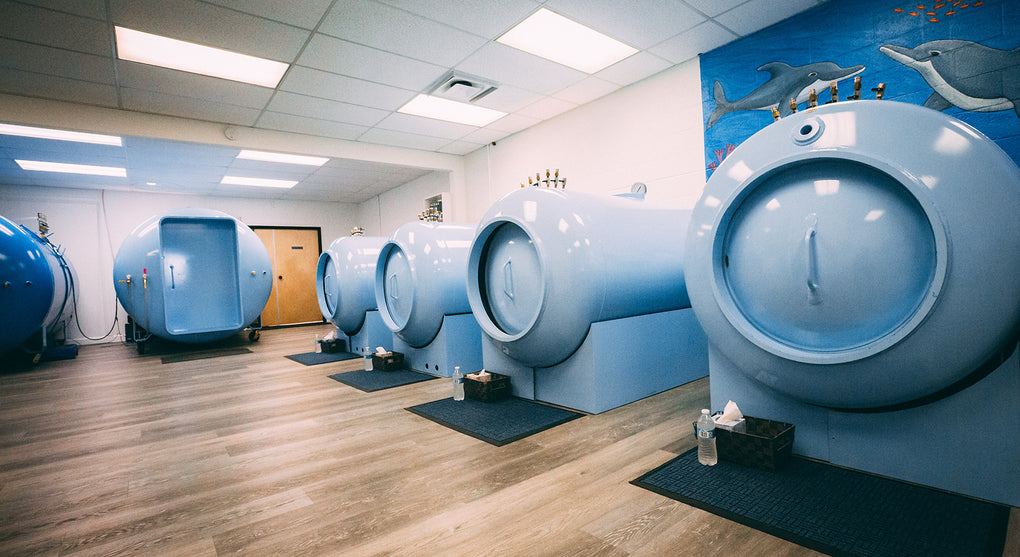
Get to know your surroundings
See the people, equipment, and treatment spaces behind your care. Your consultation is also a chance to ask about comfort, communication, and what repeat visits would involve.
Your next step
Whether you are exploring HBOT for the first time or have followed the research for years, we can help you ask the questions that matter.
Share your diagnosis, medication list, recent endoscopy or MRI reports, surgeries, and gastroenterologist’s recommendations. Tell us about fistula drainage, an ostomy, fatigue, or bowel urgency that may affect a visit.
A licensed medical provider reviews your health, treatment goals, chamber safety, and whether outpatient HBOT is appropriate. Ask about session length, bathroom planning, costs, and coordination with your IBD team.
If treatment is prescribed, agree on what you will track and when to reassess. Symptom changes should be considered alongside the examinations, laboratory tests, or imaging recommended by your treating clinicians.
We welcome coordinated care. Ask our team how to share records securely and arrange communication with your treating clinician.
Questions before you book
There are encouraging findings, particularly for selected Crohn’s perianal fistulas and UC patients receiving HBOT alongside medical treatment. Studies differ in size, setting, and quality, so the next step is to compare your situation with the research. A consultation can help you explore suitability and realistic goals.1, 7, 9
No. HBOT has not been established as a cure for Crohn’s disease or ulcerative colitis. The research concerns potential additional benefits, such as improved treatment response or fistula healing. Ongoing gastroenterology care remains essential.
No. RX-O2 uses FDA-cleared hyperbaric chambers, but device clearance does not establish HBOT as an approved treatment for every condition. Its use for Crohn’s disease and ulcerative colitis remains investigational and off-label. We discuss that distinction during treatment planning.
Continue your prescribed care unless your treating clinician changes it. HBOT is considered alongside your IBD plan. Tell the evaluating provider about all medications and recent changes; do not taper steroids or postpone a necessary procedure to begin HBOT.14, 15
Bring your colorectal surgeon’s plan and recent imaging. Fistula location, drainage, abscesses, prior repairs, and any ostomy affect the assessment. The team also needs to review dressings and medical supplies for chamber suitability. HBOT does not replace abscess drainage, seton management, or necessary surgery.
Severe or rapidly worsening symptoms need prompt gastroenterology or emergency assessment. Hospital studies involve hospital monitoring and medical treatment; they do not make a routine clinic appointment an alternative to that care. Contact us about outpatient consultation when your treating team considers you stable.
There is no established single HBOT protocol for all IBD patients. Published studies use different treatment schedules for different clinical situations. Your evaluating provider discusses the proposed course, review points, and practical commitment rather than treating a research schedule or package as a prescription.
Tell us before booking if urgency, frequent diarrhea, pain, an ostomy, or nausea may make a session difficult. The team can explain preparation and the process for safely ending treatment. A pressurized chamber cannot be opened immediately, so suitability and a practical plan need to be discussed in advance.
Crohn’s disease and ulcerative colitis are not included among the covered HBOT indications in Medicare’s national policy. Other plans vary, and self-payment may be needed. Ask RX-O2 and your insurer about your circumstances before assuming coverage or purchasing a package.18
Share lung conditions, ear or sinus problems, recent procedures, implanted devices, and all medications. An untreated pneumothorax is a contraindication. Risks include pressure-related ear or sinus injury, temporary vision changes, and enclosure-related anxiety; uncommon serious risks include oxygen-toxicity seizures and lung injury. Follow preparation rules because oxygen increases fire risk. Electronics and batteries are not allowed.16, 17 Review visit preparation.
Contact RX-O2 in Scottsdale or Glendale. We welcome patients from across the Valley who want to explore HBOT alongside their current IBD care. Schedule a consultation online or call the clinic below.
Local care, two Valley locations
Looking for a hyperbaric consultation near Phoenix? RX-O2 offers two locations for patients across the Valley. Call the clinic closest to you for appointment availability and help planning repeat visits.
An East Valley option for patients in Scottsdale, Paradise Valley, Fountain Hills, and nearby communities.
A West Valley option for patients in Glendale, Peoria, Phoenix, and nearby communities.
Bring your questions and your current IBD care plan. Let’s explore whether hyperbaric oxygen therapy could be a useful addition for you.
This selected overview includes clinical studies, mechanistic research, a trial protocol and registry, and standard-care, safety, and coverage guidance. Mechanistic analyses may use samples from clinical studies listed separately; they are not additional independent efficacy trials.
Literature checked September 14, 2026. Research links open the original publication or registry. The PubMed links show a current search; new studies require review before their findings are added here. Educational information does not replace diagnosis or an individual treatment plan.