
Reduced sensation
Neuropathy can make a blister, pressure point, or skin injury difficult to notice. Continued pressure may keep damaging tissue without much pain.15
Diabetic wound support · Scottsdale & Glendale, AZ
Help a stalled wound move toward healing. Protect the daily activities, independence, and quality of life that matter to you.
Wound healing is part of our daily work at RX-O2. Our physician-led team regularly treats people with diabetic wounds and other complex healing needs, bringing surgical experience and evidence-based hyperbaric care into a coordinated treatment plan.
Clinical trials have shown that adding HBOT to appropriate wound care can improve healing in selected patients with diabetic foot ulcers. If a wound is new, slow to close, or no longer improving, now is a good time to seek an assessment.1, 2, 11
Serving Scottsdale, Glendale, and the greater Phoenix area. We coordinate with your wound-care, podiatry, vascular, and diabetes providers.
Give healing a head start
A small sore can deserve serious attention, especially when diabetes affects sensation and circulation. A wound may need care even when it does not hurt. Early assessment helps identify what is holding healing back and brings the right specialists into your care sooner.15
You do not need to wait until amputation is being discussed to ask about your options. Contact your wound-care team promptly and ask whether a hyperbaric consultation should be part of the plan.
Starting the evaluation early allows us to review blood flow, wound depth, infection treatment, and progress with standard care. HBOT can then be considered at an appropriate point, including for selected advanced wounds after surgery or wounds that remain difficult to heal.11, 12
Early assessment does not mean every new ulcer needs immediate HBOT. The best timing depends on your wound and its response to care. Insurance criteria are separate from when you should seek medical attention.
Understanding a wound that will not close
Healing needs oxygen, blood flow, functioning repair cells, and protection from repeated injury. Diabetes can interfere with several of these at once.13, 15
Neuropathy can make a blister, pressure point, or skin injury difficult to notice. Continued pressure may keep damaging tissue without much pain.15
Arterial disease can reduce circulation to the foot. Tissue with inadequate oxygen may struggle to build new tissue and resist infection.13, 15
High glucose and persistent inflammation can interfere with normal healing. Improving the wound environment gives repair processes a better opportunity to work.13, 14
HBOT adds a targeted oxygen treatment to your broader care. It works alongside pressure relief, appropriate dressings, glucose management, infection treatment, and vascular care when needed.
The science of oxygen-supported repair
HBOT increases the oxygen dissolved in your blood while you breathe medical oxygen under pressure. That supports oxygen-dependent repair and is backed by clinical research showing improved wound healing in selected patients.1, 2, 13
Oxygen is needed for collagen formation and the cellular work of repairing a wound. HBOT can help address local oxygen limitations that interfere with that process.13
Research describes effects on signaling and repair cells involved in forming small blood vessels. These mechanisms help explain why repeated, prescribed treatment may support wound recovery.13, 14
HBOT supports oxygen-dependent immune activity and tissue repair. It complements the treatments that remove pressure, address infection, and restore circulation.11, 13
Oxygen and redox signaling
“Redox” describes reactions involving the transfer of electrons. In wound biology, oxygen-derived signals help regulate inflammation, cell recruitment, and tissue repair. Research has explored these pathways as part of how HBOT works.13, 14
The treatment we provide is hyperbaric oxygen therapy. Redox signaling is part of its biology. More oxygen is not automatically better: pressure, duration, safety, and response guide the prescription.
Wound healing is part of our daily practice
RX-O2 began with a strong focus on grafts, flaps, and postsurgical healing. That background shapes the attention we bring to complex wounds today.
Our Medical Director brings more than 30 years of patient-care experience, general and cosmetic surgical experience, and a background in wound care and postsurgical recovery. He understands the tissue, circulation, and healing challenges that can make a wound complex.
We regularly care for people whose healing has become difficult. Our focus is practical: review what is limiting progress, coordinate with your treating providers, and follow measurable changes as care proceeds.
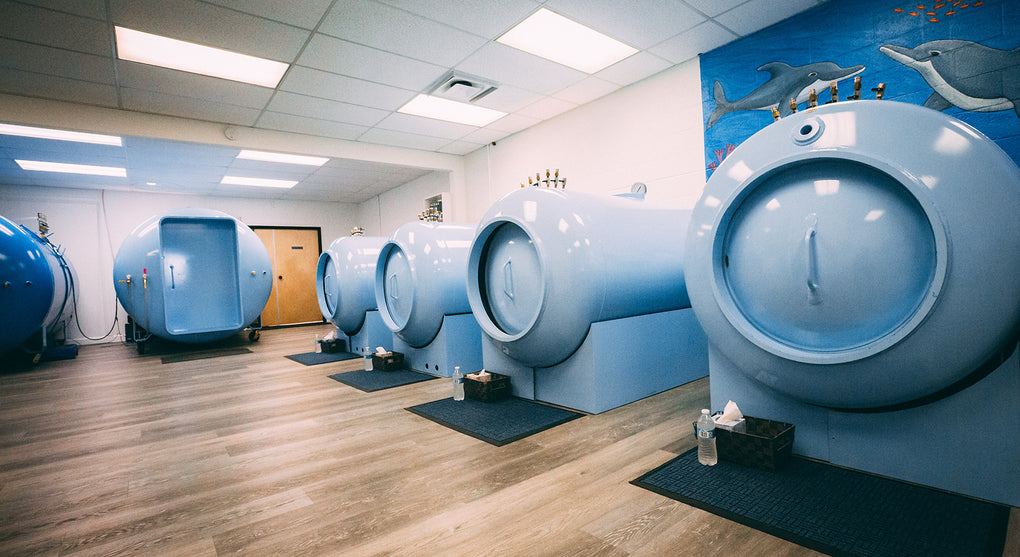
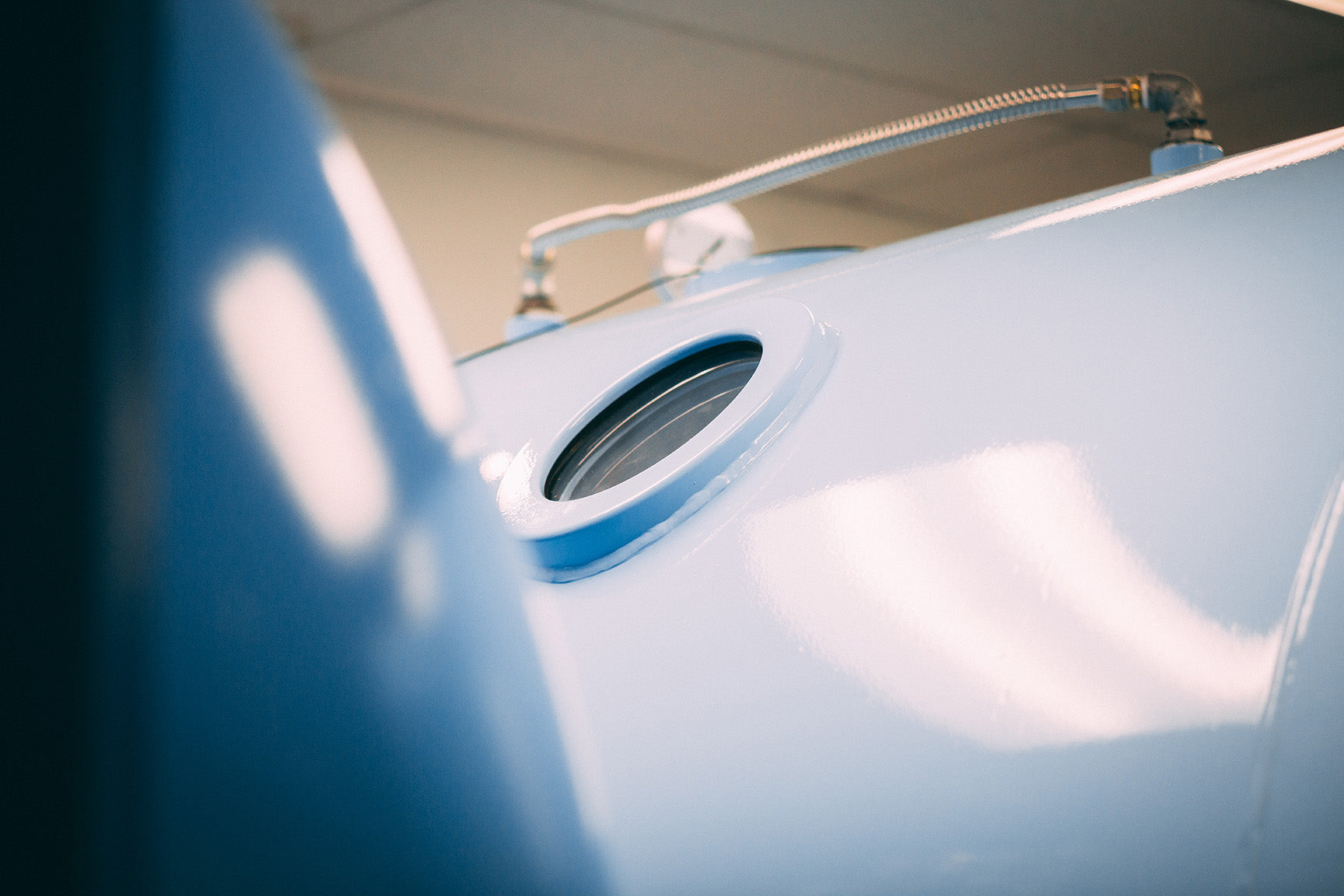
Our hard-shell chambers support prescribed hyperbaric treatment. You breathe oxygen through a dedicated mask or hood while the chamber is pressurized with air, with trained staff monitoring your care.
Our technicians are certified through the National Hyperbaric Safety Association. Medical oversight, preparation, communication, and treatment safety are part of every patient’s experience.
Evidence you can explore
We prioritize randomized trials, systematic reviews, and clinical guidelines. These are among the strongest ways to evaluate treatment, while the quality of the underlying studies still matters.
Literature checked
September 15, 2026
Blinded randomized trial · 2010
Löndahl and colleagues · HODFU trial
The HODFU trial enrolled 94 patients with long-standing diabetic foot ulcers. In the reported intention-to-treat analysis, complete healing occurred in 25 of 48 patients receiving HBOT and 12 of 42 receiving sham treatment at one year.1
Why it matters: This placebo-controlled trial demonstrates a real healing benefit in the studied patients. It supports discussing HBOT when a diabetic ulcer remains difficult to close.
Participants had selected chronic ulcers and continued wound care. These are study results, not RX-O2 success rates or a prediction for every patient.
Read the HODFU trialMeta-analysis of randomized trials · 2025
Eight HBOT trials evaluated
Monami and colleagues · Analysis supporting Italian diabetic-foot guidelines
This review evaluated several adjunctive wound treatments, including eight HBOT trials. HBOT was associated with better healing, shorter time to healing, and fewer major amputations. The authors rated evidence for the primary healing outcome as high quality.2
Why it matters: The benefit is supported by pooled clinical research, beyond a single favorable study. The review also found a higher rate of serious adverse events with HBOT, making careful selection and monitoring part of responsible care.
Evidence ratings differ between reviews and guidelines. “High quality” here describes this review’s rating for its primary outcome.
Read the 2025 meta-analysisSystematic review and meta-analysis · 2024
14 randomized trials reviewed
Oley and colleagues · Wagner-grade analysis
This analysis reported improved healing with adjunctive HBOT and lower amputation rates in selected groups. Its authors rated the evidence as moderate quality, with results supporting healing in Wagner grades II, III, and IV.3
Why it matters: Wound severity helps frame the discussion about benefit. A clinician must also consider circulation, infection, prior treatment, and the practicality of completing a course.
Wagner-grade subgroup estimates were based on smaller samples. Research findings do not establish insurance eligibility for every grade.
Read the 2024 reviewA randomized trial assigned 48 patients with chronic wounds to negative pressure wound therapy with or without HBOT. Adding HBOT improved the measured early wound-healing rate during the 12-day observation period.7
This was a mixed chronic-wound population, not a diabetic-foot-only trial. It did not show a significant difference in pain or bacterial contamination, and early area improvement is different from complete closure.
Read the randomized trialIn a retrospective study of 45 patients, those receiving HBOT reached 50% healing sooner: a median of 18 days versus 30.5 days in the comparison group. The findings support further study of HBOT for selected diabetic patients undergoing graft reconstruction.8
The groups were not randomized and differed in treatment selection. This result is promising, but it is not a guaranteed healing timetable.
Read the graft studyA prospective study followed 20 patients with difficult ischemic diabetic foot ulcers, 14 receiving HBOT and six receiving standard care alone. HBOT was associated with improved wound healing and favorable biological changes.9
The small, non-randomized design limits certainty, but the study adds useful information about the relationship between clinical healing and repair biology.
Read the clinical and microvascular studyA review of 14 controlled studies involving 768 participants found improved complete healing and fewer major amputations with HBOT. The analysis included 12 randomized trials and two other controlled trials.4
The authors advised caution because of study-design limitations. Minor amputation results were not conclusive, and adverse events were more frequent with HBOT. These findings favor careful, individualized use as an addition to standard care.
Read the controlled-trial reviewFaglia and colleagues studied patients hospitalized with severe, predominantly ischemic diabetic foot ulcers. Among 68 patients analyzed, major amputations occurred in 3 of 35 receiving HBOT alongside comprehensive care, compared with 11 of 33 receiving comprehensive care alone.10
This older, relatively small trial supports HBOT as an adjunct for selected severe ulcers. Modern vascular and wound care remain central, and its results do not guarantee limb preservation for an individual patient.
Read the randomized limb-preservation studyIn 28 patients whose ulcers had not improved with standard care, Kessler and colleagues found greater wound-area reduction after two weeks with HBOT: about 42% versus 22% in controls.5
The difference was no longer statistically apparent at day 30. This supports a short-term healing effect in that small study, rather than a promise that every wound will heal twice as fast.
Read the early healing-rate trialA randomized study of 36 patients found greater two-week ulcer-area reduction with HBOT plus standard care, approximately 42% versus 18%. The researchers also measured changes in tissue oxidative stress.6
The study supports an early healing response while reinforcing that oxygen dose and duration matter. It does not establish that more treatment is always better or that every redox marker improves.
Read the healing and oxidative-stress studyReviews by Thom and by Fosen and Thom describe how oxygen and nitrogen reactive species influence cell signaling, repair-cell recruitment, collagen-related processes, and blood-vessel development.13, 14
These mechanisms provide a biological explanation for treatment effects. Clinical trials remain necessary to establish whether a treatment improves patient outcomes.
The UHMS guideline supports HBOT for selected Wagner grade 3 or higher ulcers after surgical debridement or when wounds have not significantly improved with adequate treatment. IWGDF conditionally recommends considering it for ischemic or neuro-ischemic ulcers when standard care has failed, rating the overall evidence as low certainty.11, 12
Not every trial has shown an overall benefit. The 120-patient DAMO2CLES trial did not find a statistically significant improvement in its main healing or limb-salvage outcomes.19 This is why your wound characteristics, medical needs, and ability to complete treatment matter more than any single headline.
Hundreds of research records explore hyperbaric oxygen, diabetes, and wounds. Our broader literature search returned more than 600 records on September 15, 2026. That includes clinical studies, reviews, laboratory research, and other publications, not hundreds of positive randomized trials.
The papers above are selected starting points. Reviews often include the same underlying trials, so their patient counts should not be added together. We check study design, applicability, and publication status before selecting references.
Match the treatment to the wound
Ulcers that are deep, oxygen-limited, or not progressing despite appropriate wound care may warrant evaluation. Some advanced wounds after surgical debridement also qualify for consideration.11, 12
Compromised grafts or flaps, delayed radiation tissue injury, and wounds associated with certain refractory bone infections have their own indications and treatment considerations.16
Wounds caused primarily by venous disease, pressure, or another problem need treatment directed at that cause. HBOT is not routine care for every slow-healing wound. A consultation can identify the relevant diagnosis and whether adding HBOT has a sound clinical rationale.
You do not need all the answers before contacting us. Bring your questions, your current care plan, and what you hope to understand. A consultation can help you weigh potential benefits, uncertainty, practical needs, and costs before making a treatment decision.
Your care at RX-O2
Meet the people and see the setting that support your treatment, from preparation through each prescribed session.
Treat the whole healing problem
We review the wound’s history, prior procedures, healing trajectory, and vascular testing. When appropriate, your team may use tissue-oxygen measurements or obtain additional vascular assessment.
Continue prescribed offloading, dressing care, glucose management, nutritional support, and infection treatment. HBOT adds to these measures rather than taking their place.
A licensed clinician determines whether HBOT is appropriate. Treatment pressure, duration, and course length are individualized, with attention to ear pressure, glucose changes, comfort, and safety.
Wound measurements, tissue quality, clinical symptoms, and your wider care plan guide reassessment. The aim is useful progress toward closure and preservation of function.
These priorities reflect established wound-care and hyperbaric guidance.11, 12, 16, 17
Understand the options early
Medicare covers HBOT for certain diabetes-related lower-extremity wounds that are Wagner grade 3 or higher and have shown no measurable healing after at least 30 days of adequate standard wound therapy. Treatment must continue alongside standard care, with documented reassessment.16
That coverage rule is not a reason to delay wound assessment. Early evaluation helps organize care and documentation while your clinician determines whether and when HBOT is appropriate.
Coverage at RX-O2 depends on your plan, eligibility, documentation, and our billing arrangements. Contact us about payment options and potential reimbursement before committing to a course.
View pricing and packages or schedule a consultation to discuss your needs.
Answers before your first visit
No. Promptly involve your wound-care provider and ask about a hyperbaric assessment if healing is a concern. Early review helps identify barriers and avoid unnecessary delay when advanced care is appropriate. The clinician determines whether HBOT should start, continue to be considered, or is unnecessary.
Yes. Wound care and wound-healing support are part of our daily practice. Our clinical leadership brings experience in diabetic wounds, compromised grafts and flaps, and postsurgical recovery, with treatment coordinated around each patient’s needs.
Some randomized-trial reviews found fewer major amputations with adjunctive HBOT in selected patients. Other trials did not establish that benefit. Limb preservation requires coordinated attention to circulation, infection, pressure, and tissue viability; HBOT cannot guarantee avoidance of surgery.2, 3, 19
HBOT involves breathing oxygen while your body is inside a pressurized chamber. Topical oxygen is applied locally to a wound and has its own evidence. “Redox” describes chemical and cell-signaling processes; here we discuss redox biology as part of HBOT’s effects, not as a separate treatment.12, 13, 14
Wound treatment often involves a course over several weeks, but there is no single schedule for every wound. Your clinician selects the prescription and reviews your progress. A consultation helps you understand likely visit frequency, practical needs, and costs before deciding.
We review medications, meals, glucose monitoring, mobility, and relevant medical history. Glucose can fall during treatment, so follow the team’s individualized instructions. Tell us about an insulin pump, glucose sensor, or other device in advance; do not change medication or remove prescribed equipment without a plan.
Staff also review ear and lung health, temporary vision changes, and less common oxygen-related risks. Untreated pneumothorax is a contraindication. Only approved items enter the chamber, and unapproved electronics and batteries remain outside.17, 18
Bring your medication list, diabetes and wound-care plan, previous measurements, vascular-test results, surgery or hospital records, and your treating providers’ contact details. Let us know about mobility or transfer needs when booking.
Increasing redness, warmth, swelling, drainage, or a new color change deserves prompt medical attention. Fever, rapidly spreading changes, a suddenly cold or discolored foot, or feeling very unwell requires urgent assessment. Contact your treating clinician or emergency services as appropriate rather than waiting for a routine appointment.15
Local care, two Valley locations
Looking for a hyperbaric consultation near Phoenix? RX-O2 offers two locations for patients across the Valley. Call the clinic closest to you for appointment availability and help planning repeat visits.
An East Valley option for patients in Scottsdale, Paradise Valley, Fountain Hills, and nearby communities.
A West Valley option for patients in Glendale, Peoria, Phoenix, and nearby communities.
A wound that concerns you deserves a plan
Meet with our team in Scottsdale or Glendale. Bring your questions and current care plan, and let’s discuss what could help your wound move forward.
Selected clinical trials, reviews, mechanistic research, and care guidance. Reviews may include overlapping trials and are not independent patient populations. Evidence varies by wound type and patient selection.
Literature checked September 15, 2026. Research links open the original publication or guideline. The PubMed links show a current search; new studies require review before their findings are added here. Educational information does not replace diagnosis or an individual treatment plan.