
Inicio / Condiciones tratadas

RX-O2 • Scottsdale & Glendale, Arizona

Conditions Treated.
Research that informs care.

Explore the science behind hyperbaric oxygen therapy, from established medical uses to conditions still being studied. Find the evidence, understand its limits, and discuss what it means for your care.
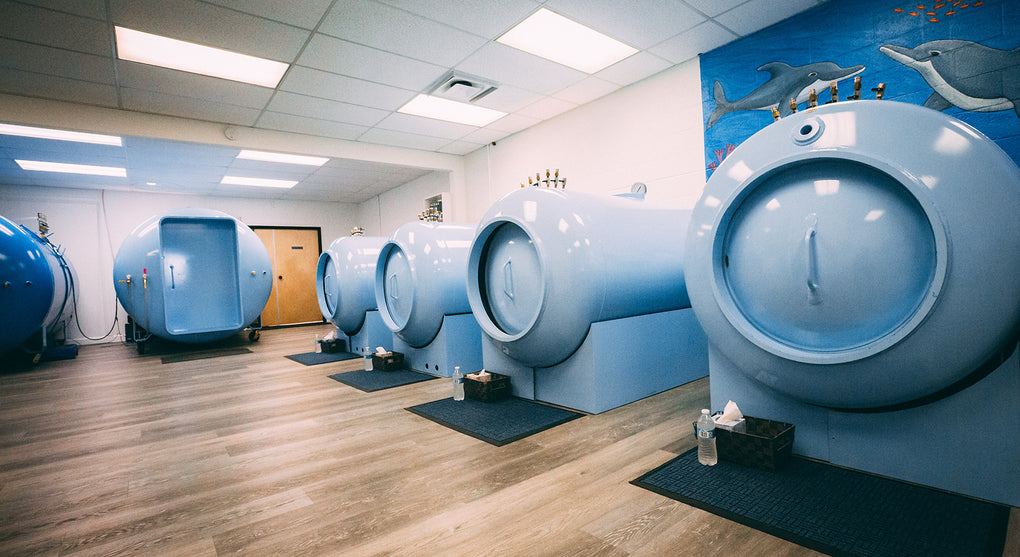
Hard-shell hyperbaric chambers in an RX-O2 treatment room
Physician-led hyperbaric care in the Phoenix area.
FDA-cleared chambersHard-shell medical hyperbaric equipment.
100% medical oxygenDelivered by mask or hood in air-pressurized chambers.
Physician-led careHyperbaric technicians certified through the NHSA.

The research conversation

Recent findings, in context.

New publications add to the evidence. The study design and the results both matter.

2026 · Fibromyalgia

A new randomized trial

HOTFy reported improvements during HBOT, with some benefits declining after treatment ended. Its delayed-treatment design is an important part of interpreting the results.

Read the fibromyalgia research
2026 · Ulcerative colitis

A closer look at refractory disease

The PARADOX pilot adds clinical and imaging observations from 16 patients. It supports further investigation, with a controlled trial needed to confirm benefit.

Read the ulcerative colitis research
2025 · Long COVID

Why comparison groups matter

Two trials found no significant benefit from shorter HBOT courses over comparison treatments. Those findings belong alongside earlier positive studies.

Read the long covid research

The evidence library

Find your condition.

Browse 41 topics and 114 selected publications. Open a topic to read the evidence summary and original sources.

Literature check

41 topics · 114 references

How to read the labels: “Specialist clinical use” describes an established or selected clinical role, not a guarantee of strong trial evidence. “Under study” includes emerging, mixed, or unsupported uses. “Background science” explains mechanisms. These labels do not indicate FDA approval or insurance coverage.

Under study

Addiction & opioid withdrawal

Small pilot trials have explored HBOT alongside supervised opioid treatment. Evidence is preliminary and does not establish HBOT as a treatment for addiction.3 selected publications · View research

The clinical studies below concern people receiving methadone. Animal withdrawal findings cannot establish relapse prevention or replace medications and behavioral care.

  1. Hyperbaric oxygen treatment attenuates naloxone-precipitated opioid withdrawal behaviors and alters microglial activity in male and female mice.2025 · Preclinical: mouse study
    Southard MT et al. Scientific reports. 2025; 15(1):23677.

    Reduced some physical withdrawal behaviors, without changing the motivated behaviors tested. These findings are not clinical relapse-prevention evidence.

  2. Hyperbaric Oxygen Therapy for Pain, Opioid Withdrawal, and Related Symptoms: A Pilot Randomized Controlled Trial.2022 · Pilot randomized controlled trial
    Wilson M et al. Pain management nursing : official journal of the American Society of Pain Management Nurses. 2022; 23(5):616-624.

    Found promising symptom trends in adults receiving methadone; designed to support a larger study, not establish efficacy.

  3. Hyperbaric Oxygen to Assist Adults With Opioid Use Disorder in Reducing Methadone Dose.2022 · Small randomized feasibility study
    Wilson M et al. Journal of addictions nursing. 2022; 33(1):27-36.

    Explored supervised methadone dose reduction. Small enrollment and incomplete treatment participation limit conclusions.

Under study

Alzheimer’s disease & memory

Human studies report signals of cognitive benefit, while newer laboratory work explores possible mechanisms. Durable benefit and effects on disease progression remain uncertain.3 selected publications · View research

Cognitive scores, brain imaging, and animal findings answer different questions. HBOT has not been established as a cure or a way to reverse Alzheimer’s disease.

  1. Hyperbaric oxygen therapy ameliorates Alzheimer's disease pathology by restoration of mitophagy and suppressing neuroinflammation in 5xFAD mice.2026 · Preclinical: mouse study
    Yao M et al. Experimental neurology. 2026; 396:115534.

    Examined amyloid, mitochondrial recycling, and inflammation in mice. These results do not demonstrate effectiveness in people.

  2. Clinical evidence of hyperbaric oxygen therapy for Alzheimer's disease: a systematic review and meta-analysis of randomized controlled trials.2024 · Systematic review and meta-analysis
    Lin G et al. Frontiers in aging neuroscience. 2024; 16:1360148.

    Pooled cognitive outcomes favored HBOT; the authors called for more rigorous studies to define its clinical value.

  3. Hyperbaric oxygen ameliorates cognitive impairment in patients with Alzheimer's disease and amnestic mild cognitive impairment.2020 · Controlled clinical study
    Chen J et al. Alzheimer's & dementia (New York, N. Y.). 2020; 6(1):e12030.

    Reported short-term cognitive changes in Alzheimer’s disease and mild cognitive impairment; does not establish altered disease progression.

Under study

Anoxic & hypoxic brain injury

Small clinical reports and experimental studies explore recovery after oxygen deprivation. Evidence varies substantially by the cause, timing, and age of the patient.2 selected publications · View research

Adult recovery after cardiac arrest and newborn hypoxic injury are different clinical settings. These findings do not establish routine HBOT for near-drowning recovery or all forms of brain injury.

  1. Hyperbaric oxygen therapy for the treatment of hypoxic/ischemic injury upon perinatal asphyxia-are we there yet?2024 · Primarily preclinical review
    Mielecki D et al. Frontiers in neurology. 2024; 15:1386695.

    Reviews experimental approaches to perinatal hypoxic injury; these findings cannot be generalized to routine pediatric recovery.

  2. Hyperbaric oxygen can induce neuroplasticity and improve cognitive functions of patients suffering from anoxic brain damage.2015 · Retrospective case series
    Hadanny A et al. Restorative neurology and neuroscience. 2015; 33(4):471-486.

    Reported cognitive changes in 11 people after cardiac arrest. A small uncontrolled series cannot prove efficacy.

Under study

Arthritis & inflammatory conditions

Research examines inflammation, cartilage, and recovery after joint surgery. Much of the arthritis-specific evidence remains preclinical.3 selected publications · View research

A trial after knee replacement addresses postoperative recovery, not reversal of osteoarthritis. Mouse studies of immune signaling do not establish clinical benefit in rheumatoid arthritis.

  1. Hyperbaric Oxygen Therapy Improves Subchondral Perfusion and Cartilage Integrity in Established Osteoarthritis: A Pharmacokinetic DCE-MRI and T2* Quantification Study.2026 · Preclinical: rat study
    Huang GS et al. Cartilage. 2026:19476035261457601.

    Examined cartilage and circulation in experimental osteoarthritis. It does not establish cartilage repair in patients.

  2. Effect of hyperbaric oxygen therapy on postoperative muscle damage and inflammation following total knee arthroplasty: a randomized controlled trial.2025 · Randomized controlled trial
    Zhang R et al. Scientific reports. 2025; 15(1):22039.

    Studied early recovery after knee replacement, including muscle injury and inflammation. It did not test reversal of arthritis.

  3. Effects of Hyperbaric Oxygen on T helper 17/regulatory T Polarization in Antigen and Collagen-induced Arthritis: Hypoxia-inducible Factor-1α as a Target.2020 · Preclinical: mouse study
    Harnanik T et al. Oman medical journal. 2020; 35(1):e90.

    Examined immune-cell responses in experimental arthritis. Clinical effectiveness in rheumatoid arthritis remains unproven.

Under study

Autism spectrum disorder

Findings are mixed. A recent meta-analysis reported improvements, but study quality was limited and controlled trials have also found no meaningful advantage.4 selected publications · View research

The studies used different pressures, oxygen concentrations, and outcomes. HBOT is not an established treatment for autism; developmental and behavioral supports remain central to care.

  1. The effectiveness of hyperbaric oxygen therapy in children and adolescents and with autism spectrum disorders: A systematic review and meta-analysis.2025 · Systematic review and meta-analysis
    Tu P et al. Progress in neuro-psychopharmacology & biological psychiatry. 2025; 137:111257.

    Reported improvements across some outcomes, but poor study quality and substantial differences between studies limit confidence.

  2. Hyperbaric oxygen therapy for people with autism spectrum disorder (ASD).2016 · Cochrane systematic review
    Xiong T et al. The Cochrane database of systematic reviews. 2016; 10:CD010922.

    Found no evidence of benefit in the eligible controlled trial and identified ear barotrauma as a possible adverse effect.

  3. Hyperbaric oxygen in the treatment of childhood autism: a randomised controlled trial.2012 · Randomized, sham-controlled trial
    Sampanthavivat M et al. Diving and hyperbaric medicine. 2012; 42(3):128-133.

    Both groups improved; HBOT did not provide an overall clinically meaningful advantage over sham exposure.

  4. Hyperbaric treatment for children with autism: a multicenter, randomized, double-blind, controlled trial.2009 · Randomized controlled trial
    Rossignol DA et al. BMC pediatrics. 2009; 9:21.

    Reported some improvements using 1.3 ATA and 24% oxygen. This exposure differs from medical HBOT with 100% oxygen.

    An erratum is indexed for this article. Consult the publisher’s corrected record.

Specialist clinical use

Avascular necrosis

HBOT is considered by specialists for selected early-stage disease. Studies report pain and imaging changes, but comparative evidence remains inconsistent.3 selected publications · View research

Stage, joint collapse, and orthopedic treatment matter. A 2025 meta-analysis did not establish superiority over comparison treatments, despite improvements within some treated groups.

  1. The effect of hyperbaric oxygen therapy on lesion size in early-stage femoral head avascular necrosis.2025 · Clinical imaging study
    Ekici M et al. Diving and hyperbaric medicine. 2025; 55(3):226-230.

    Reported reduced lesion size after treatment. Imaging change alone does not establish protection from future joint collapse.

  2. Application of hyperbaric oxygen therapy in femoral head necrosis: a systematic review and meta-analysis.2025 · Systematic review and meta-analysis
    Cao Y et al. EFORT open reviews. 2025; 10(7):466-474.

    Within-group improvements did not translate into clear superiority over comparison treatments; the authors called for stronger trials.

  3. Hyperbaric oxygen therapy in femoral head necrosis.2010 · Small randomized trial with follow-up
    Camporesi EM et al. The Journal of arthroplasty. 2010; 25(6 Suppl):118-123.

    Reported early pain and movement benefits. After crossover, the long-term follow-up became observational.

Specialist clinical use

Brain & intracranial abscess

Specialists may use HBOT alongside antibiotics and surgery in selected intracranial infections. Clinical evidence is largely observational.3 selected publications · View research

This is a hospital indication. HBOT must fit within urgent infection management and must not postpone drainage, antibiotics, or neurosurgical care.

  1. Hyperbaric oxygen therapy for brain abscesses: A useful adjuvant treatment for a faster recovery.2025 · Comparative observational study
    Brunner A et al. Neurosurgical review. 2025; 48(1):583.

    Reported clinical and imaging outcome differences in brain abscess care. Nonrandomized comparisons leave uncertainty about causation.

  2. Hyperbaric oxygen for intracranial abscess.2021 · Specialist clinical review
    Tomoye EO et al. Undersea & hyperbaric medicine : journal of the Undersea and Hyperbaric Medical Society, Inc. 2021; 48(1):97-102.

    Discusses adjunctive HBOT in selected intracranial infections alongside definitive treatment.

  3. Hyperbaric oxygen therapy in spontaneous brain abscess patients: a population-based comparative cohort study.2016 · Comparative observational cohort
    Bartek J et al. Acta neurochirurgica. 2016; 158(7):1259-1267.

    Reported fewer treatment failures and better outcomes with adjunctive HBOT; prospective confirmation is needed.

Specialist clinical use

Burns & thermal injury

Burn specialists may consider adjunctive HBOT for selected injuries. Research suggests possible healing benefits, with variable results across studies.2 selected publications · View research

Burn severity, timing, and access to critical care affect suitability. The published evidence does not support a guaranteed reduction in operations, hospital stay, or mortality.

  1. Hyperbaric Oxygen Therapy in Burn Care: A Systematic Review of Current Evidence.2026 · Systematic review
    Molina-Vega J et al. Journal of burn care & research : official publication of the American Burn Association. 2026; 47(3):917-922.

    Found possible healing benefits but substantial variation and inconsistent mortality findings; stronger trials are needed.

  2. Adjunctive Hyperbaric Oxygen in the Treatment of Thermal Burns.2026 · Specialist clinical review
    Cianci P et al. Undersea & hyperbaric medicine : journal of the Undersea and Hyperbaric Medical Society, Inc. 2026; 53(2):363-390.

    Discusses adjunctive HBOT in thermal injury, with careful selection and critical-care monitoring.

Under study

Cancer: research & treatment-related injury

HBOT research in cancer biology is distinct from its clinical use for selected radiation injuries. Laboratory findings do not establish HBOT as a cancer treatment.3 selected publications · View research

HBOT is not a substitute for oncology treatment. Care for a person with cancer requires coordination with the oncology team, including review of current medicines and the reason for HBOT.

  1. Hyperbaric Oxygen Potentiates Doxil Antitumor Efficacy by Promoting Tumor Penetration and Sensitizing Cancer Cells.2018 · Preclinical: tumor model
    Wu X et al. Advanced science (Weinheim, Baden-Wurttemberg, Germany). 2018; 5(8):1700859.

    Investigated a liposomal chemotherapy combination. This is not evidence to recommend that combination clinically.

  2. The ketogenic diet and hyperbaric oxygen therapy prolong survival in mice with systemic metastatic cancer.2013 · Preclinical: mouse study
    Poff AM et al. PloS one. 2013; 8(6):e65522.

    Investigated HBOT combined with a ketogenic diet in mice. HBOT alone did not change cancer progression in this model.

  3. Hyperbaric oxygen therapy and cancer--a review.2012 · Research review
    Moen I et al. Targeted oncology. 2012; 7(4):233-242.

    Reviews tumor-growth and safety questions. It does not establish HBOT as a stand-alone cancer treatment.

For treatment-related tissue damage, see radiation tissue injury research.

Specialist clinical use

Carbon monoxide poisoning

HBOT is a recognized specialist option for selected carbon monoxide poisoning cases, with research examining neurological outcomes and treatment timing.3 selected publications · View research

Suspected poisoning requires emergency assessment and oxygen treatment. Selection for HBOT is an urgent medical decision, not an outpatient consultation booking.

  1. The effects of hyperbaric oxygen dosing on the delayed neuropsychiatric sequalae of carbon monoxide poisoning.2026 · Comparative clinical study
    Gur I et al. Clinical toxicology (Philadelphia, Pa.). 2026:1-9.

    Examines treatment pressure and later neurological outcomes. This is not a protocol recommendation for unsupervised use.

  2. Carbon Monoxide Poisoning: Pathogenesis, Management, and Future Directions of Therapy.2017 · Clinical and mechanistic review
    Rose JJ et al. American journal of respiratory and critical care medicine. 2017; 195(5):596-606.

    Explains neurological and cardiac injury, emergency care, and the role of oxygen-based treatment.

    Read the indexed correction

  3. Hyperbaric oxygen for acute carbon monoxide poisoning.2002 · Randomized, double-blind trial
    Weaver LK et al. The New England journal of medicine. 2002; 347(14):1057-1067.

    Reported fewer delayed cognitive problems after acute carbon monoxide poisoning with the regimen studied.

Under study

Cardiovascular conditions

Early studies examine cardiac function and markers of injury. Evidence does not establish routine HBOT for heart disease.2 selected publications · View research

Some research combines HBOT with other interventions, making its independent contribution uncertain. Heart conditions also affect the safety assessment before treatment.

  1. Combined Enhanced External Counterpulsation and Hyperbaric Oxygen Therapy in Ischemic Cardiomyopathy: Interim Results of a Prospective Study.2026 · Interim prospective combination study
    Akber S et al. Journal of cardiac failure. 2026:S1071-9164(26)00244-7.

    Examines HBOT together with counterpulsation and standard medicines, so HBOT’s independent contribution is uncertain.

  2. Effects of Hyperbaric Oxygen Therapy on Myocardial Injury and Inflammatory Biomarkers: A Systematic Review With Qualitative Synthesis.2026 · Systematic review
    Almomany M et al. Cureus. 2026; 18(4):e106468.

    Summarizes cardiac injury and inflammatory markers; limited, heterogeneous studies do not establish routine clinical benefit.

Under study

Cerebral palsy

Trials have produced conflicting results. A large multicenter study found no advantage over pressurized air; a later small study reported added rehabilitation benefits.2 selected publications · View research

Different comparison treatments and study sizes limit certainty. HBOT is not established as routine cerebral palsy care and should not replace individualized rehabilitation.

  1. Long-Term Effect of Hyperbaric Oxygen Therapy on Gait and Functional Balance Skills in Cerebral Palsy Children-A Randomized Clinical Trial.2023 · Small randomized rehabilitation trial
    Khalil ME et al. Children (Basel, Switzerland). 2023; 10(2):394.

    Reported gait and balance improvements with HBOT plus physical therapy. The comparison group received physical therapy without sham exposure.

  2. Hyperbaric oxygen for children with cerebral palsy: a randomised multicentre trial. HBO-CP Research Group.2001 · Randomized multicenter trial
    Collet JP et al. Lancet (London, England). 2001; 357(9256):582-586.

    Found similar functional improvement in HBOT and pressurized-air groups; ear problems were more common with HBOT.

Under study

Chronic pain & CRPS

CRPS studies report improvements in pain and function, including a controlled trial. The evidence is still too limited to predict an individual response.3 selected publications · View research

Pain has many causes. Results in CRPS cannot be assumed to apply to all neuropathic pain, back pain, or chronic pain syndromes.

  1. Hyperbaric Oxygen Therapy for Management of Complex Regional Pain Syndrome.2025 · Clinical literature review
    Cha J et al. The Clinical journal of pain. 2025; 41(4):e1276.

    Summarizes potential CRPS benefits while identifying a need to refine patient selection and treatment protocols.

  2. The Effectiveness of Hyperbaric Oxygen Treatment in Patients with Complex Regional Pain Syndrome: A Retrospective Case series.2024 · Retrospective case series
    Hájek M et al. International journal of medical sciences. 2024; 21(11):2021-2030.

    Reported pain and function changes after HBOT. Without a randomized comparator, the treatment effect remains uncertain.

  3. Effectiveness of hyperbaric oxygen therapy in the treatment of complex regional pain syndrome.2004 · Randomized, placebo-controlled trial
    Kiralp MZ et al. The Journal of international medical research. 2004; 32(3):258-262.

    Found improvements in pain, swelling, and several wrist movement measures. Wider confirmation and longer follow-up are needed.

Specialist clinical use

Compromised grafts & flaps

HBOT is used as an adjunct when a graft or flap has inadequate oxygen delivery. Much of the clinical evidence comes from observational studies.3 selected publications · View research

Urgent surgical assessment comes first, particularly when a correctable blood-flow problem is suspected. Findings in compromised tissue do not imply a benefit for every healthy graft.

  1. Hyperbaric Oxygen Therapy for Ischemic Complications After Immediate Breast Reconstruction: A Systematic Review and Meta-Analysis.2026 · Systematic review and meta-analysis
    González-Flores JE et al. Aesthetic plastic surgery. 2026; 50(13):5142-5155.

    Suggests potential benefit after ischemic breast reconstruction complications; studies were mostly small and observational, with low certainty.

  2. Hyperbaric Oxygen Therapy as an Effective Adjunctive Treatment in the Reconstruction of Tissue Defects With Graft in Diabetic Foot Patients: A Retrospective Cohort Study.2025 · Retrospective cohort study
    Zaman T et al. International wound journal. 2025; 22(6):e70686.

    Reported improved graft outcomes in diabetic foot reconstruction. Randomized confirmation is needed.

  3. Hyperbaric Oxygen Therapy for the Compromised Graft or Flap.2017 · Clinical and mechanistic review
    Francis A et al. Advances in wound care. 2017; 6(1):23-32.

    Explains salvage of compromised tissues. Human evidence was largely case reports and series.

Under study

Crohn’s disease & perianal fistulas

Studies in difficult-to-treat perianal fistulas show promising results in some patients, alongside reports of disease progression despite treatment.3 selected publications · View research

Two HOT-TOPIC publications follow the same 20-patient cohort. A newer small Mayo Clinic series highlights the gap between symptom relief and sustained fistula healing.

  1. Hyperbaric Oxygen Therapy in the Management of Refractory Perianal Crohn's Disease.2025 · Retrospective case series
    Hajjar R et al. Journal of clinical medicine. 2025; 14(19):6843.

    Some patients reported symptom relief, but objective improvement was limited and most had progression requiring further surgery.

  2. Hyperbaric oxygen therapy for the treatment of perianal fistulas in 20 patients with Crohn's disease: Results of the HOT-TOPIC trial after 1-year follow-up.2022 · Prospective cohort follow-up
    Lansdorp CA et al. United European gastroenterology journal. 2022; 10(2):160-168.

    Reported maintained improvements at one year in the HOT-TOPIC cohort. This follows the same patients as the 2021 publication.

  3. Hyperbaric oxygen therapy for the treatment of perianal fistulas in 20 patients with Crohn's disease.2021 · Prospective pilot cohort
    Lansdorp CA et al. Alimentary pharmacology & therapeutics. 2021; 53(5):587-597.

    Reported clinical and imaging changes in 20 patients with refractory perianal fistulas; it was not a randomized sham-controlled trial.

Specialist clinical use

Decompression illness & gas embolism

Recompression and hyperbaric oxygen are central specialist treatments for decompression illness and certain gas embolisms.3 selected publications · View research

These are time-sensitive emergencies requiring an appropriate emergency hyperbaric service. A research listing does not imply that RX-O2 provides every emergency service described here.

  1. Emergency management of cerebral air gas embolism as a complication of CT-guided lung biopsy.2026 · Single-patient case report
    Ramdhun VS et al. BJR case reports. 2026; 12(4):uaag026.

    Describes emergency HBOT after a lung-biopsy gas embolism. A case illustrates management but cannot estimate treatment success rates.

  2. Decompression Sickness; Not Only in Divers: Altitude as a Risk Factor.2026 · Retrospective clinical study
    Ben-Ari O et al. The Israel Medical Association journal : IMAJ. 2026; 28(6):352-356.

    Examines altitude-related decompression illness and treatment experience. This is an emergency-service context.

  3. Gas embolism: pathophysiology and treatment.2003 · Clinical and physiological review
    van Hulst RA et al. Clinical physiology and functional imaging. 2003; 23(5):237-246.

    Explains gas embolism and the rationale for urgent hyperbaric treatment.

Specialist clinical use

Diabetic foot ulcers & selected wounds

HBOT can be considered for selected difficult-to-heal diabetic foot wounds as an addition to comprehensive wound care.3 selected publications · View research

Patient selection matters. Blood flow, infection control, pressure offloading, debridement, and diabetes management remain essential; HBOT is not a treatment for diabetes itself.

  1. The Impact of Adjunct Hyperbaric Oxygen Therapy on Healing Diabetic Foot Ulcers: A Retrospective Case-Control Study at a Tertiary Care Center.2025 · Retrospective case-control study
    Benix L et al. Cureus. 2025; 17(12):e99432.

    Reported a favorable association, but adjustment for additional confounders reduced statistical certainty.

  2. Guidelines on interventions to enhance healing of foot ulcers in people with diabetes (IWGDF 2023 update).2024 · Clinical guideline
    Chen P et al. Diabetes/metabolism research and reviews. 2024; 40(3):e3644.

    Conditionally supports selected adjunctive wound treatments when good standard care is insufficient; certainty remains limited.

  3. Hyperbaric oxygen therapy facilitates healing of chronic foot ulcers in patients with diabetes.2010 · Randomized, placebo-controlled trial
    Löndahl M et al. Diabetes care. 2010; 33(5):998-1003.

    HODFU found improved healing in selected chronic diabetic foot ulcers. It supports careful selection within comprehensive wound care.

Under study

Fatigue & ME/CFS

A recent prospective cohort and earlier small studies report symptom improvements. Controlled evidence is still needed to establish benefit.2 selected publications · View research

Uncontrolled improvements cannot isolate a treatment effect. Fatigue also warrants evaluation for other causes, and the demands of frequent clinic visits matter for people with ME/CFS.

  1. Hyperbaric oxygen therapy improves clinical symptoms and functional capacity and modulates thalamic connectivity in ME/CFS: a prospective cohort study.2026 · Prospective observational cohort
    Kim L et al. Journal of translational medicine. 2026; 24(1):744.

    Reported improvements in ME/CFS symptoms and function alongside imaging changes. A controlled trial is needed to establish causation.

  2. The efficacy of hyperbaric oxygen therapy in the management of chronic fatigue syndrome.2013 · Small uncontrolled clinical study
    Akarsu S et al. Undersea & hyperbaric medicine : journal of the Undersea and Hyperbaric Medical Society, Inc. 2013; 40(2):197-200.

    Reported improvements in fatigue scores in 16 patients. The authors called for larger studies with control groups.

    An erratum is indexed for this article. Consult the publisher’s corrected record.

Under study

Fibromyalgia

Randomized studies and reviews report improvements in pain and function. The durability of benefit and the best way to select patients remain under study.4 selected publications · View research

The 2026 HOTFy trial adds to this literature but used a delayed-treatment comparison, not sham exposure. Some benefits diminished after treatment stopped.

  1. Efficacy and safety of hyperbaric oxygen therapy for women with fibromyalgia: a systematic review and meta-analysis of randomized controlled trials.2026 · Systematic review and meta-analysis
    Liberty M et al. Reumatologia. 2026; 64(3):181-191.

    Found pain benefits in a small body of trials in women; quality-of-life and long-term effects remained uncertain.

  2. HOTFy: randomised clinical trial for hyperbaric oxygen therapy in fibromyalgia.2026 · Randomized, delayed-treatment trial
    da Mota Neto J et al. BMJ open. 2026; 16(6):e112284.

    HOTFy found improvements during treatment. Some outcomes moved back toward standard-care levels after HBOT stopped; there was no sham group.

  3. Hyperbaric oxygen therapy compared to pharmacological intervention in fibromyalgia patients following traumatic brain injury: A randomized, controlled trial.2023 · Randomized comparative trial
    Ablin JN et al. PloS one. 2023; 18(3):e0282406.

    Compared HBOT with medication in fibromyalgia following TBI. This selected population limits generalization to all fibromyalgia.

  4. Hyperbaric oxygen therapy can diminish fibromyalgia syndrome--prospective clinical trial.2015 · Randomized crossover trial
    Efrati S et al. PloS one. 2015; 10(5):e0127012.

    Reported improvements against a no-treatment observation period. The design did not control for all effects of the chamber experience.

Background science

How HBOT works & treatment safety

Research describes changes in tissue oxygenation and cellular signaling. These mechanisms help explain clinical use but do not prove benefit for every condition.3 selected publications · View research

The selected reviews cover mechanisms, clinical indications, and adverse effects. Safe delivery requires appropriate equipment, trained staff, patient screening, and ongoing monitoring.

  1. Hyperbaric Oxygen Therapy: Side Effects Defined and Quantified.2017 · Safety review
    Heyboer M et al. Advances in wound care. 2017; 6(6):210-224.

    Reviews adverse effects and the importance of weighing benefit against risk for the individual patient.

  2. Tenth European Consensus Conference on Hyperbaric Medicine: recommendations for accepted and non-accepted clinical indications and practice of hyperbaric oxygen treatment.2017 · Expert consensus guideline
    Mathieu D et al. Diving and hyperbaric medicine. 2017; 47(1):24-32.

    A framework for accepted and non-accepted indications; recommendations differ in strength and certainty. Read with the published correction.

    Read the indexed correction

  3. Hyperbaric oxygen: its mechanisms and efficacy.2011 · Mechanistic and clinical review
    Thom SR. Plastic and reconstructive surgery. 2011; 127 Suppl 1:131S-141S.

    Explains oxygen-dependent signaling and why clinical evidence must be assessed separately for each indication.

FDA guidance on safe use of HBOT devices addresses equipment instructions, training, monitoring, and fire prevention.

Under study

Interstitial cystitis & bladder pain

Small studies examine bladder pain and urinary symptoms. Evidence is limited and should be distinguished from the stronger literature on radiation cystitis.3 selected publications · View research

The cause of bladder symptoms matters. Findings in one form of cystitis do not establish benefit for every urinary condition.

  1. The potential mechanism of treating IC/BPS with hyperbaric oxygen by reducing vascular endothelial growth inhibitor and hypoxia-inducible factor-1α.2024 · Clinical mechanistic study
    Zhang J et al. Turkish journal of medical sciences. 2024; 54(1):26-32.

    Links symptom changes with tissue markers after treatment; this does not prove that the proposed pathway causes clinical benefit.

  2. Hyperbaric oxygen therapy for painful bladder syndrome/interstitial cystitis resistant to conventional treatments: long-term results of a case series in Japan.2011 · Small clinical case series
    Tanaka T et al. BMC urology. 2011; 11:11.

    Reported sustained symptom improvement in some treatment-resistant patients. There was no randomized comparison group.

  3. Safety and efficacy of hyperbaric oxygen therapy for the treatment of interstitial cystitis: a randomized, sham controlled, double-blind trial.2006 · Randomized, sham-controlled trial
    van Ophoven A et al. The Journal of urology. 2006; 176(4 Pt 1):1442-1446.

    Reported benefit in a subset of patients with interstitial cystitis. The small study leaves substantial uncertainty.

    An erratum is indexed for this article. Consult the publisher’s corrected record.

For treatment-related tissue damage, see radiation tissue injury research.

Under study

Long COVID

Evidence is mixed: a 40-session trial reported benefits, while two 2025 trials of shorter courses found no significant advantage over comparison treatments.4 selected publications · View research

Different protocols and patient groups may contribute to differing results. A positive pilot study does not resolve the uncertainty shown in sham-controlled trials.

  1. Community-delivered hyperbaric oxygen therapy for people affected by long COVID: a pilot study.2026 · Community pilot study
    Gale N et al. British journal of nursing (Mark Allen Publishing). 2026; 35(12):626-632.

    Reported symptom improvements among participants completing treatment. Controlled studies are needed to separate treatment effects from other influences.

  2. Effect of normobaric and hyperbaric hyperoxia treatment on symptoms and cognitive capacities in Long COVID patients: a randomised placebo-controlled, prospective, double-blind trial.2025 · Randomized, placebo-controlled trial
    D'hoore L et al. Diving and hyperbaric medicine. 2025; 55(2):104-113.

    Found no significant differences in symptoms, function, or cognition between the four oxygen and pressure regimens studied.

  3. Ten sessions of hyperbaric oxygen versus sham treatment in patients with long covid (HOT-LoCO): a randomised, placebo-controlled, double-blind, phase II trial.2025 · Randomized, sham-controlled trial
    Kjellberg A et al. BMJ open. 2025; 15(4):e094386.

    HOT-LoCO found no significant advantage for 10 HBOT sessions on its primary physical-function outcomes at 13 weeks.

  4. Hyperbaric oxygen therapy improves neurocognitive functions and symptoms of post-COVID condition: randomized controlled trial.2022 · Randomized, sham-controlled trial
    Zilberman-Itskovich S et al. Scientific reports. 2022; 12(1):11252.

    Reported cognitive and symptom benefits after 40 sessions. Short follow-up and a selected patient group limit broad conclusions.

Under study

Lyme disease

Published HBOT evidence for persistent Lyme-related symptoms is very limited. The selected clinical publication is a single-patient case report.1 selected publication · View research

A case report cannot establish effectiveness, bacterial eradication, or a standard protocol. HBOT is an off-label consideration and does not replace guideline-based Lyme evaluation and treatment.

  1. Hyperbaric oxygen therapy as an effective adjunctive treatment for chronic Lyme disease.2014 · Single-patient case report
    Huang CY et al. Journal of the Chinese Medical Association : JCMA. 2014; 77(5):269-271.

    Reports one patient’s experience. It cannot establish effectiveness for Lyme disease or persistent post-treatment symptoms.

IDSA/AAN/ACR Lyme disease guideline provides the clinical context for diagnosis and standard treatment.

Under study

Mental health & depression

Recent trials and reviews explore mood symptoms, including post-stroke depression. The evidence remains preliminary and varies by diagnosis.2 selected publications · View research

A result in post-stroke depression cannot be generalized to every depressive disorder. HBOT should not replace established psychiatric care or prescribed medication.

  1. Efficacy of hyperbaric oxygen therapy for post-stroke depression: Association with inflammatory biomarker reduction in a sham-controlled randomized trial.2026 · Randomized, sham-controlled trial
    Gong S et al. Journal of stroke and cerebrovascular diseases : the official journal of National Stroke Association. 2026; 35(8):108685.

    Reported short-term improvements in post-stroke depression and inflammatory markers. Long-term effectiveness remains uncertain.

  2. Effectiveness and safety of hyperbaric oxygen therapy for psychiatric disorders: A systematic review and meta-analysis.2026 · Systematic review and meta-analysis
    Al-Shamali HF et al. Psychiatry and clinical neurosciences. 2026; 80(9):714-729.

    Suggests potential symptom benefits, but studies were generally small and results varied across diagnoses and comparison treatments.

Under study

Migraine & cluster headache

Small studies suggest possible relief of acute migraine. Evidence for prevention and durable benefit is limited.2 selected publications · View research

Oxygen at normal atmospheric pressure for cluster headache is a different treatment from HBOT. Evidence for one should not be presented as evidence for the other.

  1. Normobaric and hyperbaric oxygen therapy for the treatment and prevention of migraine and cluster headache.2015 · Cochrane systematic review
    Bennett MH et al. The Cochrane database of systematic reviews. 2015:CD005219.

    Found limited evidence for acute migraine relief with HBOT. Normal-pressure oxygen evidence for cluster headache is a separate question.

  2. Hyperbaric oxygen in the treatment of migraine with aura.1998 · Small controlled clinical study
    Wilson JR et al. Headache. 1998; 38(2):112-115.

    Reported reduced subjective migraine pain; its small scope does not establish a preventive treatment strategy.

Under study

Multiple sclerosis

Controlled clinical evidence has not shown a meaningful overall benefit for routine MS treatment. Experimental immune findings do not overturn those results.3 selected publications · View research

This topic is included to make the research transparent. A biological mechanism or favorable individual experience is not sufficient evidence of improved disease course.

  1. Hyperbaric Oxygen Therapy Alleviates the Autoimmune Encephalomyelitis via the Reduction of IL-17a and GM-Csf Production of Autoreactive T Cells as Well as Boosting the Immunosuppressive IL-10 in the Central Nervous System Tissue Lesions.2021 · Preclinical: mouse study
    Chiou HC et al. Biomedicines. 2021; 9(8):943.

    Examined immune effects in experimental autoimmune encephalomyelitis. It does not establish a treatment effect in people with MS.

  2. Hyperbaric oxygen therapy for multiple sclerosis.2010 · Systematic review
    Bennett M et al. CNS neuroscience & therapeutics. 2010; 16(2):115-124.

    Found no clinically meaningful overall benefit and did not recommend routine HBOT for multiple sclerosis.

  3. Hyperbaric oxygen and multiple sclerosis: final results of a placebo-controlled, double-blind trial.1987 · Randomized, placebo-controlled trial
    Barnes MP et al. Journal of neurology, neurosurgery, and psychiatry. 1987; 50(11):1402-1406.

    Did not change overall disease progression or relapse rate; most outcomes did not differ between groups.

Specialist clinical use

Necrotizing infections & gas gangrene

HBOT may be used as an adjunct in specialist management of life-threatening soft-tissue infections. Evidence includes observational studies and reviews.2 selected publications · View research

Emergency surgery, source control, and antibiotics are essential. Transfer for HBOT must not delay these treatments; most outcome comparisons are not randomized.

  1. Hyperbaric oxygen therapy and Fournier's gangrene: a systematic review and meta-analysis.2026 · Meta-analysis of retrospective studies
    Patel A et al. Medical gas research. 2026; 16(4):508-513.

    Found an association with lower mortality in Fournier’s gangrene; nonrandomized studies cannot eliminate selection bias.

  2. The Role of Hyperbaric Oxygen Therapy in Management of Necrotizing Soft Tissue Infection.2025 · Clinical review
    Gregory TJ et al. Journal of clinical medicine. 2025; 14(10):3511.

    Discusses adjunctive HBOT within aggressive multidisciplinary infection care; urgent surgery and antibiotics remain essential.

Under study

Plastic surgery & postoperative recovery

Research is strongest around threatened tissue and postoperative wound problems. Evidence for routine use after uncomplicated cosmetic surgery is less certain.3 selected publications · View research

The surgical team should assess unexpected pain, skin changes, or wound breakdown promptly. Published recovery and salvage rates are not guarantees for an individual procedure.

  1. Current Use of Hyperbaric Oxygen Therapy in Plastic Surgery: A Systematic Review.2026 · Systematic review
    Molina-Vega J et al. Plastic and reconstructive surgery. Global open. 2026; 14(8):e7989.

    Reports encouraging clinical series, but the pooled complication estimate was not statistically significant and studies were highly heterogeneous.

  2. Hyperbaric oxygen therapy after reconstructive breast surgery: A retrospective study.2026 · Retrospective clinical study
    Najib B et al. Journal of gynecology obstetrics and human reproduction. 2026; 55(7):103210.

    Describes healing after breast reconstruction. The authors explicitly note that the absence of a control group prevents causal conclusions.

  3. The Use of Hyperbaric Oxygen Therapy in Secondary Rhinoplasty.2026 · Clinical review
    Toriumi DM. Facial plastic surgery clinics of North America. 2026; 34(2):177-206.

    Discusses HBOT in complex secondary rhinoplasty, particularly compromised tissue. It does not establish routine benefit after uncomplicated surgery.

Under study

PTSD & veterans’ health

Studies in veterans and people with PTSD report symptom improvements, but study design, durability, and the best treatment approach remain unsettled.3 selected publications · View research

Veteran studies often include overlapping TBI and PTSD symptoms. A small preliminary dose-comparison study cannot establish effectiveness against placebo.

  1. Knowledge Gaps in Our Understanding of Hyperbaric Oxygen Therapy in Post-traumatic Stress Disorder: Current Evidence, Proposed Solutions, and Preliminary Results.2026 · Preliminary randomized dose comparison
    Gur I et al. The Israel Medical Association journal : IMAJ. 2026; 28(6):376-382.

    Reports the first nine completed cases. Both groups received HBOT, and the difference between doses was not statistically significant.

  2. A prospective, observational program evaluation of hyperbaric oxygen therapy for veterans with posttraumatic stress disorder.2026 · Prospective observational study
    Levitt G et al. Psychological trauma : theory, research, practice and policy. 2026.

    Reported sustained symptom improvements in veterans. The authors call for controlled trials to confirm efficacy.

  3. Hyperbaric oxygen for post-concussive symptoms in United States military service members: a randomized clinical trial.2018 · Randomized, sham-controlled trial
    Weaver LK et al. Undersea & hyperbaric medicine : journal of the Undersea and Hyperbaric Medical Society, Inc. 2018; 45(2):129-156.

    Reported improvements in postconcussion and PTSD symptoms at 13 weeks, but the changes did not persist beyond six months.

Specialist clinical use

Radiation tissue injury

Selected late radiation injuries are an established area of HBOT care. Research includes randomized trials, systematic reviews, and long-term follow-up.3 selected publications · View research

Results differ between bladder, bowel, breast, jaw, and other tissues. The reason for treatment, prior procedures, and current symptoms guide the clinical assessment.

  1. Radiation-induced cystitis treated with hyperbaric oxygen therapy (RICH-ART): long-term follow-up of a randomised controlled, phase 2-3 trial.2025 · Long-term trial follow-up
    Oscarsson N et al. EClinicalMedicine. 2025; 83:103214.

    RICH-ART reported sustained urinary symptom improvement over five years. After crossover, the long-term analysis lacked an untreated comparison group.

  2. Hyperbaric Oxygen Therapy and Late Local Toxic Effects in Patients With Irradiated Breast Cancer: A Randomized Clinical Trial.2024 · Randomized clinical trial
    Mink van der Molen DR et al. JAMA oncology. 2024; 10(4):464-474.

    Offering HBOT reduced fibrosis but did not significantly reduce pain in the main analysis; findings differed among treatment completers.

  3. Hyperbaric oxygen therapy for late radiation tissue injury.2023 · Cochrane systematic review
    Lin ZC et al. The Cochrane database of systematic reviews. 2023; 8:CD005005.

    Supports possible benefits for selected late radiation injuries, with uncertainty by tissue and severity and recognized adverse effects.

Specialist clinical use

Refractory osteomyelitis

HBOT may be considered when bone infection persists despite appropriate treatment. It is used alongside surgery and targeted antimicrobial therapy.3 selected publications · View research

The evidence is largely observational and differs by infection site. A recent review of sternal infections could not establish an added HBOT effect beyond the rest of the care pathway.

  1. Adjunctive hyperbaric oxygen therapy for poststernotomy deep sternal wound infection, mediastinitis, and sternal osteomyelitis after cardiac surgery: a scoping review.2026 · Scoping review
    Bahramnezhad F et al. Journal of cardiothoracic surgery. 2026.

    Found sparse, heterogeneous evidence for sternal infections and could not isolate an added HBOT effect beyond multimodal treatment.

  2. Hyperbaric oxygen for refractory osteomyelitis.2021 · Specialist clinical review
    Hart BB. Undersea & hyperbaric medicine : journal of the Undersea and Hyperbaric Medical Society, Inc. 2021; 48(3):297-321.

    Discusses adjunctive use in refractory disease and the need to reassess surgery and antibiotics if infection persists.

  3. Effectiveness of Hyperbaric Oxygen Therapy for the Management of Chronic Osteomyelitis: A Systematic Review of the Literature.2018 · Systematic review
    Savvidou OD et al. Orthopedics. 2018; 41(4):193-199.

    Summarizes mostly cohort reports and case studies of HBOT added to antibiotics and debridement for chronic osteomyelitis.

Under study

Respiratory illness & acute COVID research

Exploratory hospital studies examine oxygenation, inflammation, and recovery in acute COVID-related illness. These findings do not establish routine outpatient use.2 selected publications · View research

Acute respiratory illness and long COVID are different conditions. Laboratory markers alone do not demonstrate improved survival or support using HBOT instead of emergency respiratory care.

  1. Metabolic reprogramming of endothelial-related pathways in COVID-19 patients treated with hyperbaric oxygen therapy: a randomized clinical trial.2026 · Randomized-trial metabolic analysis
    Jermakow N et al. Scientific reports. 2026; 16(1):13999.

    Examines blood-metabolite changes. These are exploratory biological findings rather than proof of improved survival or routine benefit.

  2. Hyperbaric oxygen therapy as an immunomodulatory intervention in COVID-19-induced ARDS: Exploring clinical outcomes and transcriptomic signatures in a randomised controlled trial.2024 · Exploratory randomized-trial substudy
    Kjellberg A et al. Pulmonary pharmacology & therapeutics. 2024; 87:102330.

    Studies critically ill COVID patients and biological responses. Its hospital setting and small scale limit generalization.

Specialist clinical use

Retinal artery occlusion

Early specialist assessment may include HBOT for selected retinal artery occlusions. Evidence is promising but limited by heterogeneous, largely nonrandomized studies.3 selected publications · View research

Sudden vision loss is an emergency. An eye and stroke assessment must not be delayed while arranging HBOT; findings do not apply to all eye disorders.

  1. Therapeutic Efficacy of Hyperbaric Oxygen in Central Retinal Artery Occlusion: A Systematic Review and Meta-Analysis.2026 · Systematic review and meta-analysis
    ALBalawi HB et al. Journal of clinical medicine. 2026; 15(9):3530.

    Suggests better outcomes with early treatment; timing, study design, and baseline differences limit certainty.

  2. Hyperbaric Oxygen Therapy Versus Intravenous Thrombolysis in the Treatment of Central Retinal Artery Occlusion: A Systematic Review and Meta-Analysis.2026 · Systematic review and meta-analysis
    Bakdalieh A et al. Journal of clinical medicine. 2026; 15(7):2628.

    Summarizes HBOT and thrombolysis studies. It does not establish superiority through a definitive head-to-head trial.

  3. Reversibility of retinal ischemia due to central retinal artery occlusion by hyperbaric oxygen.2017 · Retrospective clinical study
    Hadanny A et al. Clinical ophthalmology (Auckland, N.Z.). 2017; 11:115-125.

    Examines visual recovery and retinal findings after HBOT. The design cannot establish the benefit for every patient with CRAO.

Specialist clinical use

Severe anemia

HBOT may provide temporary oxygen support in exceptional cases of severe anemia when transfusion cannot be given.2 selected publications · View research

This is a hospital-level indication requiring treatment of the cause of anemia and close monitoring. It is different from routine management of iron deficiency or fatigue.

  1. Hyperbaric oxygen therapy in the ATLS/ACLS resuscitative management of acutely ill or severely injured patients with severe anemia: a review.2024 · Clinical review
    Van Meter KW. Frontiers in medicine. 2024; 11:1408816.

    Reviews temporary oxygen support for exceptional severe anemia in acute hospital care.

  2. Use of hyperbaric oxygenation as an adjunctive treatment for severe pernicious anaemia in a bloodless medicine patient.2021 · Single-patient case report
    Johnson-Arbor K et al. BMJ case reports. 2021; 14(4):e240619.

    Describes HBOT alongside vitamin B12 treatment when transfusion could not be used. It does not establish routine anemia treatment.

Under study

Sports injuries & athletic recovery

Research differs across bone, muscle, tendon, and ligament conditions. Evidence for faster athletic recovery or less soreness remains inconsistent.3 selected publications · View research

Human clinical results and animal healing experiments are different levels of evidence. The studies do not support a universal percentage improvement or return-to-play promise.

  1. Effects of hyperbaric oxygen therapy on human musculoskeletal pathologies in clinical studies: a systematic review.2026 · Systematic review
    Weinrich L et al. BMC musculoskeletal disorders. 2026; 27(1):661.

    Found more consistent findings in some bone conditions; evidence for ligament, tendon, and muscle recovery remained inconclusive.

  2. Effects of Hyperbaric Oxygen Therapy on Exercise-Induced Muscle Injury and Soreness: A Systematic Review and Meta-analysis.2026 · Systematic review and meta-analysis
    Luo X et al. Archives of physical medicine and rehabilitation. 2026; 107(3):522-532.

    Found benefits in some muscle-injury measures but not overall exercise-related soreness; outcomes and protocols varied.

  3. Treatment of exercise-induced muscle injury via hyperbaric oxygen therapy.2001 · Controlled clinical trial
    Harrison BC et al. Medicine and science in sports and exercise. 2001; 33(1):36-42.

    Found no benefit for the measured markers of exercise-induced muscle injury or soreness.

Background science

Stem cells, aging & regenerative science

Studies examine circulating progenitor cells and aging-related blood markers. Changes in these markers do not demonstrate longer life or whole-body rejuvenation.3 selected publications · View research

Results depend on the population and measurement. A study in irradiated patients found much smaller cell-mobilization effects, illustrating why a single percentage should not be promised to everyone.

  1. Hyperbaric oxygen therapy increases telomere length and decreases immunosenescence in isolated blood cells: a prospective trial.2020 · Prospective biomarker study
    Hachmo Y et al. Aging. 2020; 12(22):22445-22456.

    Reported changes in isolated blood-cell telomeres and senescence markers. It did not demonstrate longer life or reversal of whole-body aging.

  2. Only minor stem cell mobilization in head and neck irradiated patients treated with hyperbaric oxygen.2019 · Small prospective clinical study
    Forner L et al. Diving and hyperbaric medicine. 2019; 49(3):175-185.

    Found only minor stem-cell mobilization in irradiated patients, illustrating that effects differ by patient group and measurement.

  3. Stem cell mobilization by hyperbaric oxygen.2006 · Human and animal mechanistic study
    Thom SR et al. American journal of physiology. Heart and circulatory physiology. 2006; 290(4):H1378-86.

    Examines circulating stem/progenitor cells and nitric-oxide signaling. Cell counts are not the same as a demonstrated clinical outcome.

Under study

Stroke recovery

Rehabilitation studies report mixed results. Some show improved function, while a recent pilot found no statistically significant difference between treatment groups.3 selected publications · View research

Research in chronic recovery is separate from acute stroke treatment. Suspected stroke requires emergency care, and HBOT must never postpone time-sensitive stroke treatment.

  1. Hyperbaric oxygen therapy combined with computerized cognitive training improves global cognition and functional independence post-stroke: a randomized controlled trial.2026 · Randomized combination-treatment trial
    Liu J et al. Journal of neuroengineering and rehabilitation. 2026; 23(1):192.

    Reported benefits from HBOT plus computerized cognitive training. The findings concern a combined rehabilitation approach.

  2. Role of Hyperbaric Oxygen Therapy in Rehabilitation of Stroke Patients: A Randomized Controlled Pilot Study.2026 · Randomized pilot trial
    Yadav R et al. Annals of African medicine. 2026.

    Both groups improved; between-group motor and cognitive comparisons were not statistically significant.

  3. Hyperbaric oxygen induces late neuroplasticity in post stroke patients--randomized, prospective trial.2013 · Randomized crossover trial
    Efrati S et al. PloS one. 2013; 8(1):e53716.

    Reported improvements in chronic stroke recovery compared with a no-treatment period; it did not test acute stroke care.

Specialist clinical use

Sudden sensorineural hearing loss

Clinical guidance supports discussing HBOT with steroids for selected sudden hearing loss. Timing is important, and recent reviews report hearing benefits.3 selected publications · View research

Sudden hearing loss needs urgent ENT assessment. This evidence concerns acute sensorineural loss, not routine age-related hearing loss or tinnitus alone.

  1. Hyperbaric oxygen therapy for acute idiopathic sudden sensorineural hearing loss; a systematic review with meta-analysis.2025 · Systematic review and meta-analysis
    Newth A et al. Diving and hyperbaric medicine. 2025; 55(4):398-406.

    Found moderate evidence of hearing benefit when HBOT was added to steroid treatment; optimal dose and timing need further study.

  2. Hyperbaric Oxygen Therapy for Patients With Sudden Sensorineural Hearing Loss: A Systematic Review and Meta-analysis.2022 · Systematic review and meta-analysis
    Joshua TG et al. JAMA otolaryngology-- head & neck surgery. 2022; 148(1):5-11.

    Pooled randomized trials favored HBOT as part of combination treatment. The available trial population was small.

  3. Clinical Practice Guideline: Sudden Hearing Loss (Update).2019 · Clinical practice guideline
    Chandrasekhar SS et al. Otolaryngology--head and neck surgery : official journal of American Academy of Otolaryngology-Head and Neck Surgery. 2019; 161(1_suppl):S1-S45.

    Describes HBOT with steroids as an option for selected sudden sensorineural hearing loss, with attention to early treatment.

Under study

Traumatic brain injury & concussion

Studies report mixed results in persistent concussion symptoms. Recent pooled evidence suggests benefits in some domains, while sham-controlled trials have also found no added benefit.3 selected publications · View research

Mild chronic symptoms and acute severe brain injury are different clinical questions. Results depend on the population, comparison treatment, and outcome being measured.

  1. Effectiveness of hyperbaric oxygen in traumatic brain injury patients: A systematic review and meta-analysis.2026 · Systematic review and meta-analysis
    Wang H et al. Complementary therapies in medicine. 2026; 101:103417.

    Found benefits in some cognitive and sleep outcomes, but not several other measures; applicability to more severe TBI was limited.

  2. Effects of hyperbaric oxygen on symptoms and quality of life among service members with persistent postconcussion symptoms: a randomized clinical trial.2015 · Randomized, sham-controlled trial
    Miller RS et al. JAMA internal medicine. 2015; 175(1):43-52.

    Found no advantage over sham chamber exposure for persistent postconcussion symptoms in service members.

  3. Hyperbaric oxygen therapy can improve post concussion syndrome years after mild traumatic brain injury - randomized prospective trial.2013 · Randomized crossover trial
    Boussi-Gross R et al. PloS one. 2013; 8(11):e79995.

    Reported cognitive and quality-of-life gains against an observation period. No sham exposure was used.

Specialist clinical use

Traumatic ischemia & crush injury

HBOT is an adjunctive option for selected severe injuries with compromised tissue oxygenation. Clinical research examines tissue survival and complications.2 selected publications · View research

Trauma surgery, restoration of blood flow, and treatment of compartment syndrome take priority. HBOT supports a coordinated trauma pathway rather than replacing urgent treatment.

  1. The Experience of Hyperbaric Oxygen Therapy in Earthquake-Related Crush Injuries: Could Be Beneficial Even with Delay in Initiation.2025 · Observational clinical study
    Avcı AU et al. Undersea & hyperbaric medicine : journal of the Undersea and Hyperbaric Medical Society, Inc. 2025; 52(3):261-270.

    Reports outcomes after earthquake-related crush injuries. Injury severity and selection limit conclusions about HBOT’s independent effect.

  2. Hyperbaric Oxygen for Lower Limb Trauma (HOLLT): an international multi-centre randomised clinical trial.2022 · Randomized multicenter trial
    Millar IL et al. Diving and hyperbaric medicine. 2022; 52(3):164-174.

    HOLLT found less tissue necrosis and fewer late complications, but its primary composite outcome was not statistically significant.

Under study

Ulcerative colitis

Pilot trials suggest potential benefit as an adjunct, with a new 2026 study in refractory disease. Other trials have found no added benefit.4 selected publications · View research

A published trial protocol describes planned research, not results. Severe flares require gastroenterology-led care; current evidence does not establish HBOT as a replacement for standard treatment.

  1. Hyperbaric oxygen therapy alters bowel perfusion and improves outcomes in patients with treatment-refractory ulcerative colitis: a prospective pilot trial.2026 · Open-label phase 2a pilot
    Mulders L et al. Journal of Crohn's & colitis. 2026; 20(5):jjag065.

    PARADOX enrolled 16 people with refractory UC and reported responses in some patients. A controlled trial is needed to confirm the findings.

  2. Hyperbaric oxygen therapy for ulcerative colitis patients hospitalized for moderate to severe flares (HBOT-UC): study protocol for a multi-center, randomized, double-blind, sham-controlled trial.2025 · Trial protocol: no results
    Bonner LB et al. Trials. 2025; 26(1):220.

    Describes a planned multicenter sham-controlled study in hospitalized UC flares. Publication of the protocol is not evidence of benefit.

  3. A phase 2B randomised trial of hyperbaric oxygen therapy for ulcerative colitis patients hospitalised for moderate to severe flares.2020 · Phase 2B dose-comparison trial
    Dulai PS et al. Alimentary pharmacology & therapeutics. 2020; 52(6):955-963.

    All participants initially received HBOT plus steroids; responders were randomized to different treatment durations. It was not an HBOT-versus-sham efficacy trial.

  4. Hyperbaric oxygen therapy does not improve the effects of standardized treatment in a severe attack of ulcerative colitis: a prospective randomized study.2013 · Randomized open-label trial
    Pagoldh M et al. Scandinavian journal of gastroenterology. 2013; 48(9):1033-1040.

    Found no significant added benefit over conventional treatment during a severe UC attack.

PubMed links open a live search sorted by publication date. Those results can include papers not yet assessed in this library. Research listings do not mean every condition is suitable for treatment or every hospital service is available at RX-O2.

Read beyond the headline

What makes evidence useful?

A long list of papers is only a starting point. The question is what those papers can tell us about care for a particular person.

Explore mechanisms and safety
  1. Start with the right clinical question.A study in radiation injury does not answer whether HBOT treats cancer. A study in mice does not establish benefit in people.
  2. Consider design, size, and comparison groups.Randomized trials, observational studies, case reports, and laboratory experiments offer different kinds of evidence.
  3. Include both positive and negative findings.We include conflicting results and note when a publication is a protocol or a follow-up of an existing cohort.
  4. Look for meaningful outcomes and lasting effects.Changes in blood markers or imaging do not necessarily mean better symptoms, function, or long-term health.

This is a selected educational library, not an exhaustive systematic review. Summaries reflect the cited publications and their limitations. The literature-check date records this reference update; it does not indicate an independent physician review of every paper.

Scottsdale & Glendale

Discuss the evidence.
Plan your next step.

Our physician-led team reviews your history, goals, and suitability for hyperbaric care. RX-O2’s medical director is Marvin A. Borsand, DO, FACOS, FACCS.

Scottsdale

9035 E Pima Center Parkway #11
Scottsdale, AZ 85258

480-270-6090

Explore our Scottsdale clinic

Glendale

5626 N 51st Ave
Glendale, AZ 85301

623-930-0887

Explore our Glendale clinic

HBOT requires medical evaluation and a prescription. FDA clearance of a chamber does not mean every condition listed here is an FDA-cleared indication. Outcomes vary, and risks include ear pressure injury, temporary vision changes, and oxygen-related adverse effects. Electronics and battery-powered devices are not permitted inside RX-O2 chambers.

For suspected stroke, poisoning, severe infection, or sudden vision loss, seek emergency care; do not wait for an outpatient appointment. Sudden hearing loss needs urgent medical assessment.