
01 / Withdrawal comfort
Potential relief during supervised care
A small randomized study reported greater early improvement in withdrawal symptoms with HBOT during a medically supervised methadone taper.1
Scottsdale & Glendale, Arizona
Recovery takes support. Early research points to HBOT’s potential to ease withdrawal discomfort, pain, and cravings in people receiving methadone treatment. Explore whether this additional support could fit your care plan at RX-O2.1, 2
An emerging, off-label option to discuss alongside established addiction care. Your consultation starts with your history, current treatment, and goals.
Why researchers are interested
The most relevant human studies have explored HBOT as an addition to methadone-based care. Their early findings give patients and providers a reason to keep asking what may help.
01 / Withdrawal comfort
A small randomized study reported greater early improvement in withdrawal symptoms with HBOT during a medically supervised methadone taper.1
02 / Pain and cravings
A separate pilot found its largest favorable signals in pain intensity and drug cravings. These preliminary findings support further study of HBOT as an adjunct.2
03 / The underlying science
A 2025 mouse study linked reduced physical withdrawal signs with changes in microglia, the brain’s immune cells. This offers a possible biological explanation to investigate in people.3
Your current treatment remains the foundation. Medications such as methadone and buprenorphine are established treatments for opioid use disorder. HBOT should not replace them, and starting HBOT is not a reason to reduce or stop medication. Any medication change belongs with your prescribing clinician.6
Published research
Literature checked
Start with the patient studies, then explore the laboratory work behind them. These selected publications show why HBOT is being investigated, while keeping the size and scope of each study visible.
Human pilot · 2022
31 adults randomized · HBOT plus care versus an attention control
Participants receiving HBOT reported a larger average decrease in withdrawal symptoms after the first day. The study also recorded a modest sustained methadone dose reduction at three months.
This was a feasibility study, not a definitive efficacy trial. Only 9 of 17 people assigned HBOT completed all five sessions. Tapering is not a goal or requirement for every patient.
Read the 2022 methadone studyHuman pilot · 2022
8 adults receiving methadone · Double-blind, sham-controlled pilot
After two treatment days, the HBOT group showed greater average improvements in most measured symptoms, with the strongest favorable signals in pain and cravings.
Clinician-observed withdrawal did not show the same favorable pattern. With only eight participants, the results are preliminary and cannot predict an individual’s response.
Read the 2022 symptom-relief studyAnimal research · 2025
Male and female mice · Published in Scientific Reports
HBOT reduced physical withdrawal signs in both sexes and altered microglial cell measurements in a brain region involved in opioid responses.
The regimen did not significantly change the reward- and aversion-related behaviors tested. This is mechanistic research, not evidence that HBOT prevents relapse in people.
Read the 2025 withdrawal studyResearchers reported lower withdrawal scores and changes in neurotransmitter and nitric-oxide signaling in morphine-dependent rats. The findings help explain the scientific interest, but do not demonstrate a “dopamine reset” in people. Read the rat study.
An earlier experiment found fewer physical withdrawal behaviors after HBOT in morphine-dependent mice. It contributed to the rationale for later human pilot work. Read the mouse study.
The human evidence summarized here concerns adults receiving methadone. It does not establish effectiveness for every substance use disorder, fentanyl withdrawal, or long-term recovery. Larger clinical trials are needed.
Find newer studies on PubMed · Opens a live search. New results have not necessarily been evaluated for this page.
The RX-O2 difference
From your first questions to each treatment visit, our Scottsdale and Glendale clinics focus on medical oversight, patient education, and attentive care.
Medical Director Marvin A. Borsand, DO, FACOS, FACCS, HCC, leads clinical oversight. A licensed medical provider evaluates suitability and prescribes treatment when appropriate.
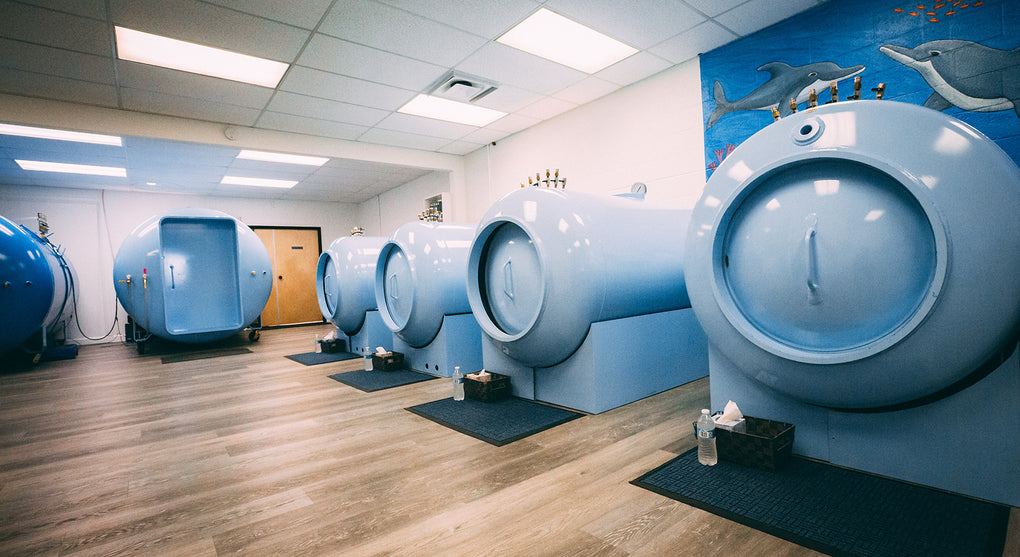
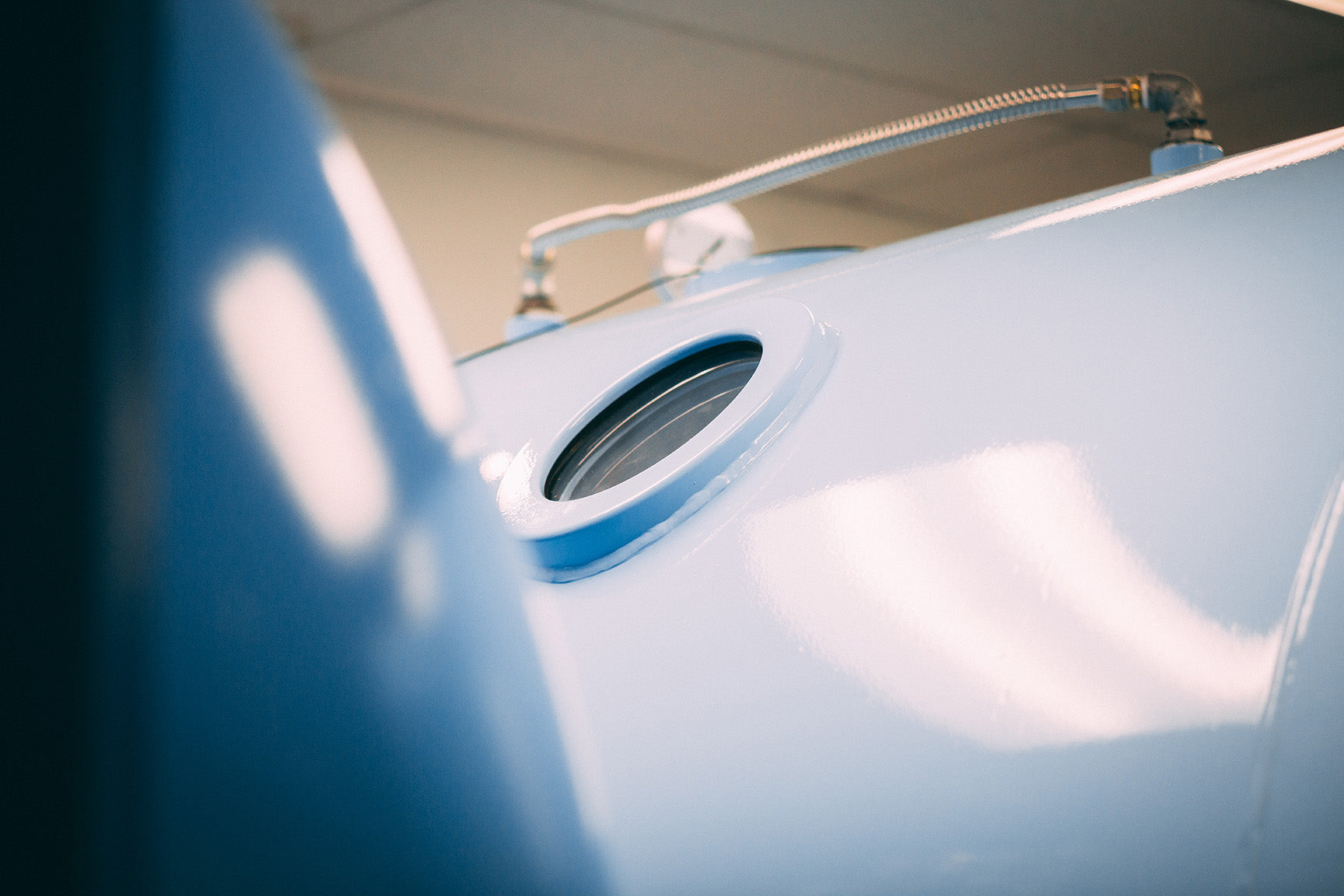
Our facilities use prescription-level hyperbaric systems, with chamber selection and treatment settings matched to your prescribed plan.
You breathe oxygen through a dedicated mask or hood while the chamber is pressurized with air. Your technicians monitor you throughout treatment.
Our technicians are certified through the National Hyperbaric Safety Association and trained in chamber operations, patient monitoring, and emergency procedures.
A conversation, then a plan
Whether you are already in treatment or helping someone you care about, your consultation is a place to discuss HBOT’s potential role and whether it is appropriate for your situation.
Bring your medication list, relevant records, and your treating provider’s contact information. Tell us which symptoms most affect your day.
A licensed medical provider reviews your health, treatment goals, and HBOT risks. With your permission, care can be coordinated with your existing addiction-treatment team.
If HBOT is prescribed, agree on a schedule and a point to review your response. Discuss your time commitment and costs before purchasing a package.
Planning your visits? Our pricing and packages page lists current options and purchase links. There is no established HBOT session count for addiction or opioid withdrawal; your provider will explain any individualized recommendation.
Local care, two Valley locations
Looking for a hyperbaric consultation near Phoenix? RX-O2 offers two locations for patients across the Valley. Call the clinic closest to you for appointment availability and help planning repeat visits.
An East Valley option for patients in Scottsdale, Paradise Valley, Fountain Hills, and nearby communities.
A West Valley option for patients in Glendale, Peoria, Phoenix, and nearby communities.
Before your consultation
Understand how a consultation can help you decide.
Small human pilots suggest possible symptom benefits when HBOT is added to methadone-based care. Those findings are encouraging, but too preliminary to establish reliable benefit. A consultation can help you weigh the evidence alongside your health and current treatment.1, 2
Yes. Bring your complete medication list to the consultation. The human HBOT studies featured here involved people receiving methadone; that does not establish the same results with buprenorphine. Keep taking medication as prescribed unless your treating clinician changes it.
No. HBOT is being explored as an additional therapy, not a replacement for medication treatment, counseling, or medically supervised withdrawal care. Relief of withdrawal symptoms does not establish treatment of the underlying disorder or prevention of relapse. Medication treatment for opioid use disorder reduces overdose risk.6
No. These are off-label uses. RX-O2 uses FDA-cleared chambers, which describes the equipment; it does not mean HBOT is approved or proven effective for addiction or opioid withdrawal.
Different substances require different medical care. The clinical HBOT research emphasized on this page cannot be generalized to all addictions. Alcohol and benzodiazepine withdrawal can be dangerous and require medical assessment; do not attempt to manage them with HBOT or stop these substances abruptly without clinical guidance.9, 10
There is no established course of HBOT for opioid withdrawal or addiction. The small research schedules are not a standard treatment recommendation. If treatment is appropriate, your provider will discuss a proposed schedule, goals, reassessment, and cost.
Your provider screens for risks such as lung conditions, ear or sinus problems, and seizure history. HBOT can cause ear-pressure injury, temporary vision changes, and confinement anxiety; oxygen toxicity and lung pressure injury are less common but serious risks. RX-O2 monitors patients throughout treatment and prohibits electronics and battery-powered devices inside chambers.7, 8
RX-O2 has clinics in Scottsdale and Glendale. Book online, call 480-270-6090 for Scottsdale, or call 623-930-0887 for Glendale. A medical evaluation and prescription are required before treatment.
Talk with RX-O2 about the research, your goals, and whether HBOT could complement your existing care.
Five selected studies inform the research discussion; the additional sources address established care and safety. Literature checked September 10, 2026. This date reflects a source check, not an independent physician review or a comprehensive systematic review.
For suspected overdose, call 911 and give naloxone if available. Do not delay emergency care to arrange HBOT.