
01 / Memory and thinking
Encouraging cognitive findings
A systematic review of clinical trials reported better cognitive test outcomes in groups receiving HBOT. Study quality limits how confidently those results can be applied to an individual.1
Scottsdale & Glendale, Arizona
When memory changes affect someone you love, it is natural to explore every reasonable avenue of support. Published research reports encouraging changes in cognition and daily-function measures with HBOT. Talk with RX-O2 about what those findings could mean for your family.1, 2
HBOT for Alzheimer’s disease is an emerging, off-label use. A consultation explores its potential role alongside your existing memory care.
Why families ask about HBOT
Researchers are investigating whether oxygen under pressure can add meaningful support to care for cognitive concerns. Three areas help explain the interest.
01 / Memory and thinking
A systematic review of clinical trials reported better cognitive test outcomes in groups receiving HBOT. Study quality limits how confidently those results can be applied to an individual.1
02 / Everyday function
A clinical study reported short-term improvements in daily-function measures among people with Alzheimer’s receiving HBOT alongside their usual medicines.2
03 / Brain blood flow
In a small study of older adults with memory concerns, HBOT was followed by improved blood flow in several brain regions and better cognitive scores. Those participants were not an Alzheimer’s treatment group.3
Start with a clear understanding of the diagnosis. Memory changes can have different causes. Bring prior testing, your medication list, and your neurologist’s recommendations so the consultation can focus on your particular situation.7
Published research
Literature checked
The clinical findings provide reasons for continued study and an informed consultation. Here is what each publication can tell us about potential benefit.
Clinical evidence review · 2024
11 randomized trials · 847 participants with Alzheimer’s disease
The pooled results favored HBOT for cognitive testing and activities-of-daily-living measures. Many studies evaluated HBOT added to other treatment.
All included trials were conducted in China and lacked blinding; allocation concealment was unclear. The favorable results need confirmation in more rigorous trials and do not establish lasting disease modification.
Read the 2024 clinical evidence reviewClinical study · 2020
42 treated Alzheimer’s patients · 11 treated aMCI patients · 30 Alzheimer’s controls
The treated Alzheimer’s group improved on cognitive measures at one month and daily-function measures at one and three months. The small amnestic mild cognitive impairment group also showed some favorable cognitive changes.
This was a nonrandomized study. Alzheimer’s cognitive gains were not sustained at later follow-ups, and the aMCI group lacked its own untreated comparison. The results do not establish prevention of dementia.
Read the 2020 Alzheimer’s and aMCI studyExploratory memory research · 2021
6 independently living older adults · Before-and-after observations
Following HBOT, the participants had better memory and other cognitive scores, along with increased blood flow in several brain regions.
There was no untreated human control group, and people with pathological cognitive decline were excluded. Alzheimer’s plaque findings in this paper came from its separate mouse experiment, not the six participants.
Read the 2021 blood-flow and memory studyWhat this means for your decision: The findings support exploring HBOT’s potential as an adjunct. They do not yet establish that it reverses Alzheimer’s disease, prevents progression, or reliably restores memory. Your provider can help weigh the possibilities, uncertainty, practical demands, and costs.
The developing science
Laboratory studies examine how HBOT may influence inflammation, cellular recycling, and Alzheimer’s-related changes. These are biological findings to investigate further, not established patient outcomes.
Yao and colleagues reported improved behavioral testing, reduced amyloid-related pathology, and changes in mitochondrial quality control and microglial activity in 5xFAD mice. The results offer a potential mechanism for further investigation; they do not demonstrate plaque removal or clinical benefit in people. Read the 2026 experimental paper.
A separate mouse experiment reported better learning and memory-task performance with changes in autophagy-related markers. Autophagy is part of the way cells process and recycle their components. These findings help build a biological rationale, with human confirmation still needed. Read the 2024 autophagy study.
This review examined eight animal studies across Alzheimer’s and Parkinson’s models, including three Alzheimer’s studies. The authors reported favorable experimental findings and called for clinical validation. The combined animal results should not be interpreted as a treatment effect in people with Alzheimer’s. Read the 2026 animal-research review.
Find newer Alzheimer’s and memory studies on PubMed · Opens a live search. New results have not necessarily been evaluated for this page.
For patients and care partners
You know the routines, conversations, and moments that matter. Share the changes you have noticed and what you hope additional care might help address. Those observations can make the consultation more useful.
Ask a family member or care partner to join the consultation when appropriate. We can discuss the visit experience, oxygen mask or hood, pressure changes, and the support needed to participate comfortably.
Care stays coordinated. Continue the care recommended by your neurologist or prescribing clinician. If HBOT is appropriate, it should fit alongside that plan. A consultation is not a reason to stop or delay established treatment.
The RX-O2 difference
From your first questions to each treatment visit, our Scottsdale and Glendale clinics focus on medical oversight, patient education, and attentive care.
Medical Director Marvin A. Borsand, DO, FACOS, FACCS, HCC, leads clinical oversight. A licensed medical provider evaluates suitability and prescribes treatment when appropriate.
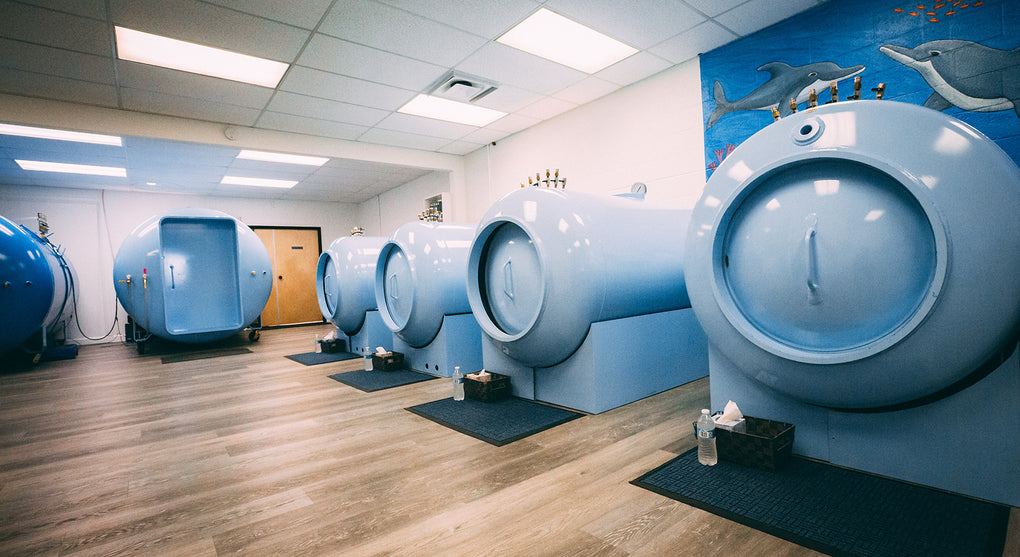
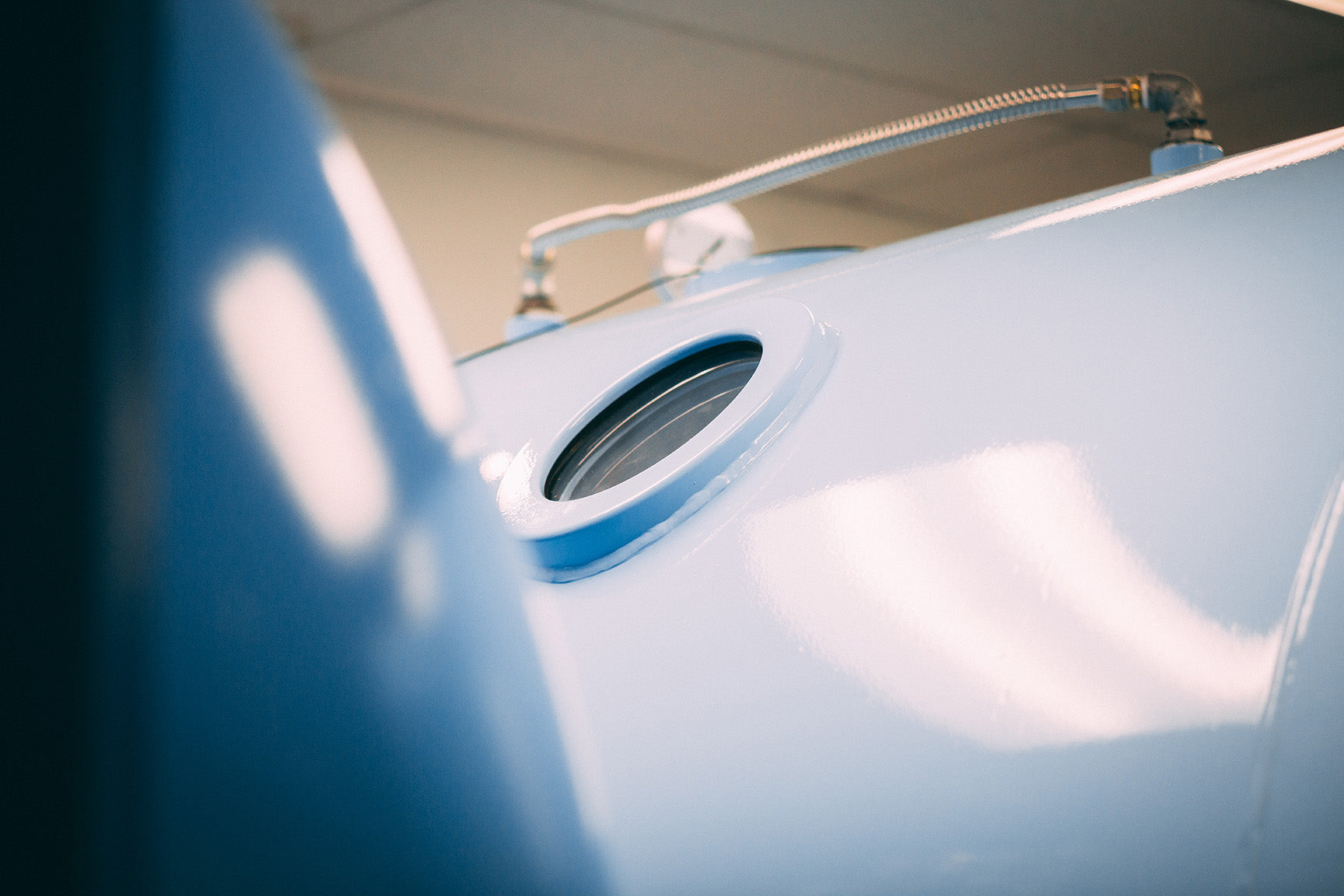
Our facilities use prescription-level hyperbaric systems, with chamber selection and treatment settings matched to your prescribed plan.
You breathe oxygen through a dedicated mask or hood while the chamber is pressurized with air. Your technicians monitor you throughout treatment.
Our technicians are certified through the National Hyperbaric Safety Association and trained in chamber operations, patient monitoring, and emergency procedures.
Getting started
Share the diagnosis, prior cognitive testing or imaging reports, medication list, and your treating provider’s contact details.
A licensed medical provider reviews possible benefits, risks, and the ability to participate in chamber treatment. Talk through caregiver and transportation needs.
If prescribed, agree on a treatment plan and a point to review response. Discuss meaningful goals, time commitment, and cost before purchasing a package.
Planning repeat visits? Our pricing and packages page lists current options and purchase links. There is no established HBOT session count for Alzheimer’s disease; a research schedule is not a personalized prescription.
Local care, two Valley locations
Looking for a hyperbaric consultation near Phoenix? RX-O2 offers two locations for patients across the Valley. Call the clinic closest to you for appointment availability and help planning repeat visits.
An East Valley option for patients in Scottsdale, Paradise Valley, Fountain Hills, and nearby communities.
A West Valley option for patients in Glendale, Peoria, Phoenix, and nearby communities.
Before your consultation
Make room for the questions that matter to your family.
Yes. The published findings provide a basis for discussing an individualized, off-label option. Suitability depends on the diagnosis, health, treatment goals, and ability to participate. The possibility of benefit should be weighed against uncertain durability, risks, cost, and the demands of repeated visits.
No. Alzheimer’s is an off-label use. RX-O2 uses FDA-cleared chambers, which describes the equipment; that clearance does not establish approval or effectiveness for treating Alzheimer’s disease.
Tell us what evaluation has already been completed. Memory loss has several possible causes, and mild cognitive impairment is different from an Alzheimer’s diagnosis. The small aMCI and age-related memory studies should not be treated as proof that HBOT prevents dementia. A medical evaluation helps guide the next step.7
Please let the clinic know who will be attending. A care partner can help share history, ask questions, and plan visits, with the patient’s permission or appropriate representative involvement. Discuss any need for assistance during treatment in advance; companion access inside a chamber requires a separate suitability assessment.
There is no established treatment course for Alzheimer’s disease or memory concerns. Studies used different schedules in different populations. If a licensed provider recommends treatment, ask about goals, reassessment, visit frequency, and cost before committing to a package.
Medical screening includes lung health, ear and sinus issues, seizure history, medicines, and the ability to tolerate the chamber and breathing equipment. Possible effects include ear-pressure injury, temporary vision changes, and confinement anxiety. Oxygen toxicity and lung pressure injury are less common but serious risks. RX-O2 monitors patients throughout treatment and prohibits electronics and battery-powered devices inside chambers.8, 9
Choose RX-O2 Scottsdale or Glendale. Book online, call 480-270-6090 for Scottsdale, or call 623-930-0887 for Glendale. Bring your questions and ask about appointment availability and visit planning.
Explore the research with a physician-led team and discuss whether HBOT could complement your family’s care plan.
Six selected research publications inform this discussion; additional sources address memory evaluation and treatment safety. Reviews summarize earlier studies and should not be counted as additional patient trials.
Literature checked September 10, 2026. This records a source check, not an independent physician review or an exhaustive systematic review. For sudden confusion or new stroke-like symptoms, seek urgent medical care rather than waiting for a hyperbaric consultation.