
Less pain during activity
A CRPS case series reported lower pain scores both at rest and during activity after treatment. Reduced pain could make a meaningful difference to goals such as dressing, preparing meals, or getting around.2
Scottsdale & Glendale, Arizona
Explore another possibility for less pain and easier movement—with a team that takes your goals seriously.
Living with persistent pain can make everyday plans feel uncertain. Research into hyperbaric oxygen therapy (HBOT) has reported improvements in pain and function in selected conditions, including complex regional pain syndrome (CRPS). At RX-O2, a consultation helps you understand whether this approach may fit your diagnosis and current care.1, 2, 4
HBOT for chronic pain and CRPS is an off-label use. A consultation considers potential benefits, medical suitability, and how treatment would complement your existing care.
Start with your diagnosis
CRPS is a persistent pain condition that usually affects an arm or leg, often after an injury or surgery. You may also know it by the older term reflex sympathetic dystrophy (RSD). Along with pain, it can involve swelling, sensitivity to touch, stiffness, and changes in skin temperature or color.8
Fibromyalgia, nerve-related pain, joint disease, and pain after an injury can need different approaches. Our consultation starts with your history, diagnosis, treatments already tried, and the activities you would most like to regain.
Symptoms alone do not establish CRPS. Your treating clinician can evaluate other causes and coordinate the right care.
What the research makes possible
The most encouraging findings focus on comfort, movement, and participation. These are possibilities to evaluate with your specialist, with progress measured against your own starting point.
A CRPS case series reported lower pain scores both at rest and during activity after treatment. Reduced pain could make a meaningful difference to goals such as dressing, preparing meals, or getting around.2
A controlled wrist-CRPS study found improvements in swelling and wrist flexion compared with its control group. These findings support further investigation of HBOT alongside rehabilitation.1
In a 2026 fibromyalgia trial, adding HBOT to standard care improved pain, condition impact, and quality-of-life measures more than standard care alone during the initial eight weeks. Fibromyalgia findings are relevant to that diagnosis and cannot predict CRPS results.5
You do not need all the answers before contacting us. Bring your questions, your current care plan, and what you hope to understand. A consultation can help you weigh potential benefits, uncertainty, practical needs, and costs before making a treatment decision.
Get to know your treatment setting
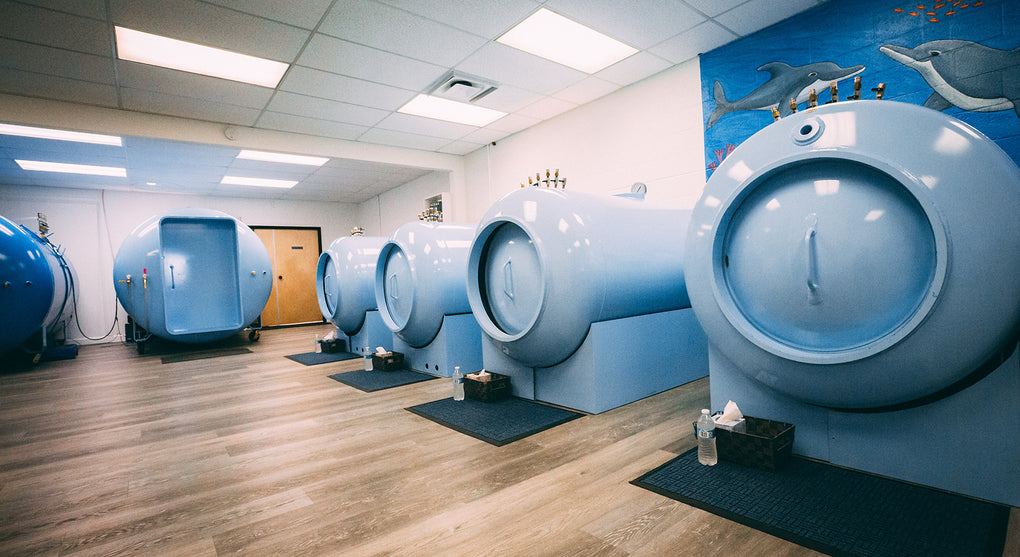
When movement is uncomfortable, practical details matter. Talk with us about chamber entry, seating, positioning, and any assistance you need before your first visit.
Evidence behind the conversation
Explore the findings, see who was studied, and bring the papers that interest you to your consultation.
Literature checked
September 14, 2026
CRPS · Controlled trial · 2004
Kiralp and colleagues · 71 participants · 15 chamber sessions
Participants receiving HBOT had better pain, swelling, and wrist-flexion outcomes than those breathing air under pressure. Wrist extension did not show the same between-group benefit. Assessments included a day-45 follow-up.
This was a small study of early post-traumatic wrist CRPS. Although described as randomized, its allocation method raised bias concerns in a later review. It does not establish durable benefit for all forms of CRPS.4
Read the CRPS controlled trialCRPS · Retrospective case series · 2024
Hájek and colleagues · 83 patients
The authors reported lower average pain scores and better function of the affected limb at the end of treatment. Average activity-related pain decreased from 6.1 to 3.7 on a 0–10 scale.
There was no untreated comparison group, so the study cannot separate HBOT’s contribution from other care or recovery over time. These are published study results, not an RX-O2 success rate or a prediction for your treatment.
Read the full 2024 case seriesFibromyalgia · Randomized trial · June 2026
HOTFy trial · 56 women randomized · 44 completed
HBOT plus standard care produced greater improvements in pain, fibromyalgia impact, and quality of life than standard care alone over the first eight weeks. Standard care included education, exercise, and medication.
The study had no sham chamber group, some participants withdrew, and some gains faded after treatment stopped. It studied fibromyalgia, not CRPS, and does not establish a maintenance schedule.
Read the June 2026 HOTFy trialLeys and colleagues reviewed 11 randomized trials involving 480 participants. Eight trials concerned fibromyalgia; one each concerned CRPS, trigeminal neuralgia, and radiation-related brachial neuropathy. The authors found promising results in selected conditions, especially fibromyalgia, while noting inconsistent superiority over controls and limited long-term evidence. The radiation-related neuropathy trial did not demonstrate meaningful benefit.
Cha and colleagues examined 13 publications involving 280 participants and described encouraging pain and functional outcomes across varied CRPS presentations. The evidence included a controlled trial, observational reports, and individual cases. These designs cannot provide the same confidence as several large, rigorous trials. The review includes some research listed separately on this page.
Katznelson and colleagues described a man with a year of post-traumatic foot CRPS who experienced less pain, swelling, and touch sensitivity, with improved movement after a course of HBOT. The authors also reported his return to work. This is a single published case from another center, so it cannot establish how often similar improvement occurs or whether HBOT alone caused it.
A 2021 review by Schiavo and colleagues brings together laboratory and human research on oxygen delivery, swelling, inflammatory activity, and pain signaling. These pathways offer possible explanations for HBOT’s pain-relieving effects. Many mechanism findings come from animal experiments; they do not mean that all chronic pain is an oxygen deficiency or that a particular mechanism has been confirmed in every patient.
There are encouraging findings worth discussing, but the evidence is not yet strong enough to establish HBOT as a routine treatment for every chronic pain condition. A useful consultation connects the closest research to your diagnosis, checks safety, and sets realistic goals alongside your pain specialist and rehabilitation team.
The RX-O2 difference
From your first questions to each treatment visit, our Scottsdale and Glendale clinics focus on medical oversight, patient education, and attentive care.
Medical Director Marvin A. Borsand, DO, FACOS, FACCS, HCC, leads clinical oversight. A licensed medical provider evaluates suitability and prescribes treatment when appropriate.
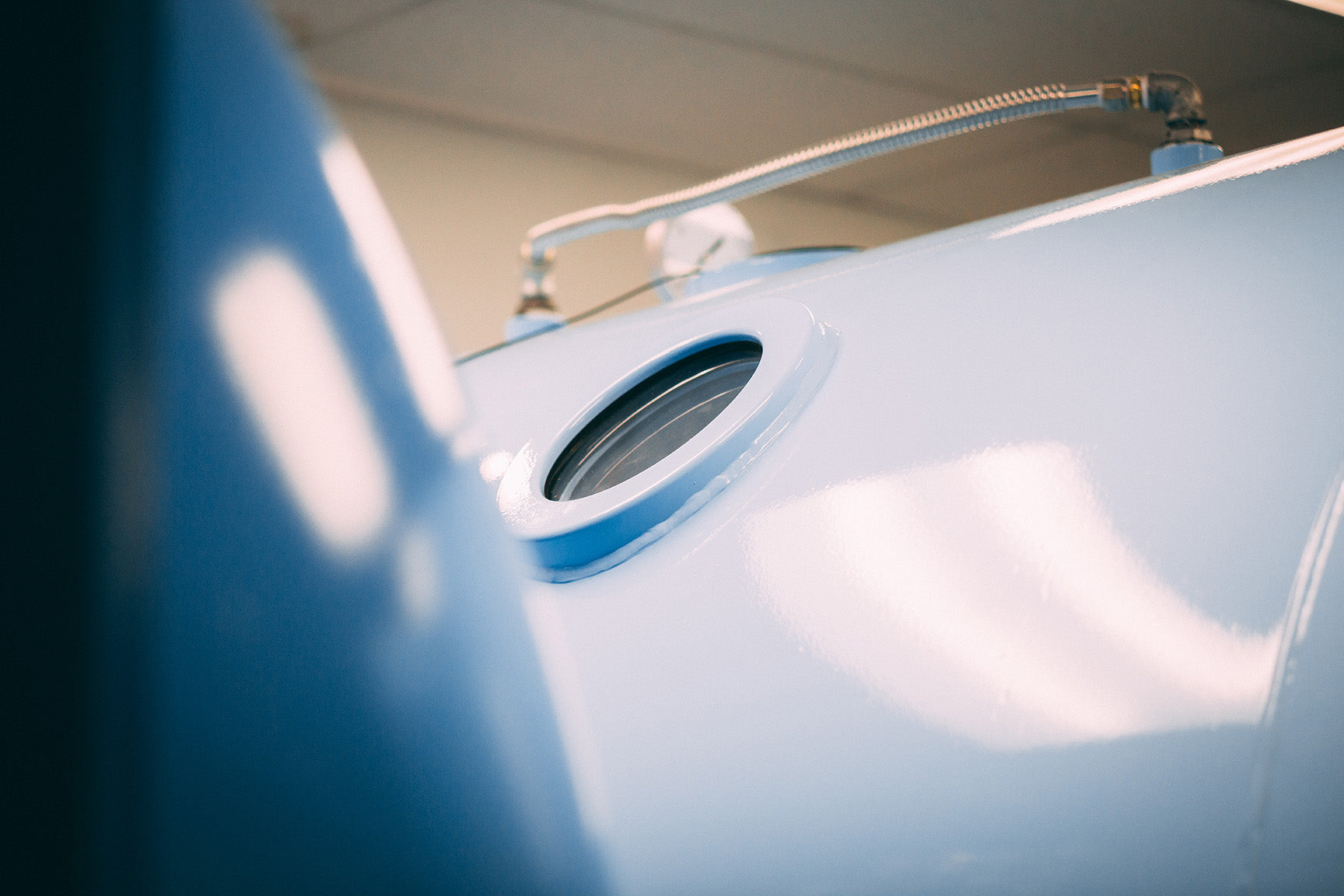
Our facilities use prescription-level hyperbaric systems, with chamber selection and treatment settings matched to your prescribed plan.
You breathe oxygen through a dedicated mask or hood while the chamber is pressurized with air. Your technicians monitor you throughout treatment.
Our technicians are certified through the National Hyperbaric Safety Association and trained in chamber operations, patient monitoring, and emergency procedures.
A practical next step
Your consultation is a place to ask questions, review options, and understand the commitment before deciding on treatment.
Share your diagnosis, medications, specialist notes, previous treatments, and any imaging reports. Tell us about sensitivity to touch, positioning difficulties, or mobility support you use.
Identify what matters to you: using a hand more comfortably, managing a daily task, or participating in prescribed rehabilitation. Your provider can discuss which changes are realistic to track.
If HBOT is appropriate, discuss the prescribed course, progress reviews, travel, scheduling, and costs. Continue established pain care; medication changes belong with your prescribing clinician.
A consultation determines suitability before you commit to a course. Published research protocols are not individualized prescriptions.
Questions are welcome
Published studies describe improvements in pain, swelling, and movement in some patients. RSD is an older name used for CRPS type I. The evidence remains limited, and results vary. A specialist consultation can help you assess whether the findings are relevant to your history and goals.1–4
You can still bring your history for review. Published reports include people with longer-standing CRPS, although evidence for these patients is mostly observational or from individual cases. The duration of pain is one part of the assessment, along with diagnosis, previous treatment, function, and medical suitability.2, 6
No. Fibromyalgia, CRPS, and pain caused by an injured nerve are different conditions. A positive study in one group does not prove the same result in another. We use your diagnosis to identify the research that is most relevant to your consultation.
There is no universally established HBOT course for chronic pain or CRPS. A licensed medical provider determines whether to recommend treatment and, if so, the settings, number of visits, and review points. We can help you understand the practical schedule before you start.
HBOT can be evaluated as an addition to your care plan. Rehabilitation and coordinated pain management remain important, particularly in CRPS. Keep prescribed treatment in place unless your treating clinicians advise a change; do not stop pain medication to begin HBOT.8
Tell us before your appointment. We can discuss entry, seating, positioning, limb sensitivity, and the support available at your chosen clinic. Your medical evaluation and a review of the equipment help determine whether a session can be accommodated safely and comfortably.
RX-O2 uses FDA-cleared hard-shell chambers. Device clearance does not mean every proposed use is FDA-cleared: chronic pain and CRPS are off-label applications. Our medical team discusses this distinction, the available research, and your individual suitability.
Possible effects include ear or sinus pressure injury, temporary vision changes, and anxiety in an enclosed space; oxygen-toxicity seizures and lung injury are uncommon but serious risks. An untreated pneumothorax is a contraindication. Your provider reviews lung and ear history, medications, other medical conditions, and any devices you use. Oxygen increases fire risk, so follow the clinic’s clothing and item rules; electronics and batteries are not allowed.9, 10 Review visit preparation.
RX-O2 offers consultations in Scottsdale and Glendale, serving the Phoenix area. Book online or call the clinic below. You can also view current sessions and packages. Ask our team for the costs that apply to your proposed plan before purchasing; insurance coverage should be confirmed for your specific indication and policy.
Local care, two Valley locations
Looking for a hyperbaric consultation near Phoenix? RX-O2 offers two locations for patients across the Valley. Call the clinic closest to you for appointment availability and help planning repeat visits.
An East Valley option for patients in Scottsdale, Paradise Valley, Fountain Hills, and nearby communities.
A West Valley option for patients in Glendale, Peoria, Phoenix, and nearby communities.
Bring your questions and the goals that matter to you. Our team can help you explore whether HBOT belongs in your pain-care plan.
These references include clinical trials, observational evidence, an individual case, research reviews, and guidance on diagnosis and safety. Reviews can include studies listed separately; they are not additional independent replications.
Literature checked September 14, 2026. This is a selected research overview. New papers require assessment before their findings are added; the PubMed link opens a current search and does not automatically update this page. Educational information does not replace diagnosis or an individual treatment plan.