
Less fatigue, more usable capacity
Small ME/CFS studies have reported better fatigue scores.1, 2 A personal goal might be getting through an essential task with less difficulty.
Fatigue support · Scottsdale & Glendale, AZ
Explore a promising approach to persistent fatigue, with a team that takes your symptoms and your goals seriously.
When everyday life takes more energy than you have, another treatment decision can feel overwhelming. At RX-O2, a consultation gives you space to ask questions, review the research, and consider what a carefully monitored course of hyperbaric oxygen therapy could offer.
Early ME/CFS studies report improvements in fatigue and function. HBOT remains an investigational, off-label option for this condition, with benefits that need confirmation in larger controlled trials.1, 2
Physician-led consultations in Scottsdale and Glendale, serving patients across the Phoenix area.
Your experience deserves attention
Myalgic encephalomyelitis/chronic fatigue syndrome, or ME/CFS, is a complex illness that can substantially limit work, family life, and daily activities. Rest alone often does not restore how someone feels or functions.12
A defining feature is post-exertional malaise (PEM): a worsening of symptoms after physical, mental, or other exertion. It can be delayed, so feeling able to do something today does not always predict how you will feel tomorrow.12
Sleep disorders, anemia, thyroid problems, medication effects, and other conditions can cause fatigue or add to it. Reviewing these possibilities can uncover useful treatment opportunities, whether or not HBOT is appropriate.13
Potential worth discussing
The research asks questions that matter in daily life. Your consultation connects those questions to the things you would most like to regain.
Small ME/CFS studies have reported better fatigue scores.1, 2 A personal goal might be getting through an essential task with less difficulty.
A related long COVID trial found improvements in attention and executive function.4 Bring examples of how brain fog affects reading, conversation, or work.
Sleep and pain improvements have also been reported in post-COVID research.4, 5 Those findings are encouraging, although long COVID and ME/CFS are not interchangeable diagnoses.
These are areas to explore, not a forecast of your results. Together, we can choose practical goals and decide how to assess whether treatment is helping.
You do not need all the answers before contacting us. Bring your questions, your current care plan, and what you hope to understand. A consultation can help you weigh potential benefits, uncertainty, practical needs, and costs before making a treatment decision.
A patient’s perspective
Feeling recharged, finding another contributor to fatigue, and returning to more of everyday life.
Patient account supplied by Robert F. through the clinic. Lightly edited for clarity and length.
“I have been dealing with chronic fatigue syndrome for most of my life and have tried just about everything out there. While some things might initially make a difference, nothing has been as life-changing for me as hyperbaric oxygen therapy.
“When I first came to RX-O2 Hyperbaric Clinics, the team explained that some people can feel more fatigued at first, which scared me. On day one, maybe I did feel a little more tired. However, I slept much better, and with each day of treatment I felt better and better. It felt like I was getting recharged, like filling my tank.
“The doctor also found there might be other things in my health playing a role. I loved that they took that extra step and referred me for a sleep study to look at the possibility of sleep apnea, which was affecting my fatigue.
“This wasn’t a magic bullet, and it didn’t cure me. However, the results were so significant that I was able to take a break and get back to my normal life. I do come back for some maintenance once in a while, which is why I love the maintenance membership.
“Thank you so much to everybody at RX-O2.”
Robert F. RX-O2 patient
Robert’s account describes his individual experience. It cannot establish how much improvement came from HBOT, evaluation of sleep apnea, or other factors, and does not establish a typical outcome. Research has not established a reliable success rate or maintenance schedule for ME/CFS.
Increased fatigue should be reported, especially if it persists or worsens. It is not proof that treatment is working, and you should not push through a crash to continue sessions. Read how we approach pacing and reassessment.
Explore the evidence
Direct ME/CFS studies lead this selection. Related-condition studies and laboratory research provide additional context, with their limitations kept visible.
Literature checked
September 15, 2026
2026 · ME/CFS · Prospective cohort
Kim and colleagues · Charité, Berlin
Published June 5, 2026
Thirty participants completed 40 sessions. Researchers observed improvements in physical function, fatigue, pain, and processing speed, alongside changes in brain-network connectivity.1
11 of 30 met the study’s threshold for improved physical function four weeks later. Most had post-COVID ME/CFS; housebound patients were excluded.
There was no sham treatment group. Seven of 37 enrollees did not complete treatment, including six who stopped because of ear/sinus discomfort or anxiety. These promising observations cannot establish efficacy or predict an individual response.
2013 · CFS · Pilot study
Akarsu and colleagues
16 patients · 15 sessions
Participants diagnosed using the Fukuda criteria reported improvements in fatigue severity and fatigue-related quality of life after a three-week course.2
This was a small before-and-after study without a control group or long-term follow-up. It supports further investigation; its schedule is not a prescription for every patient.
2022 · Long COVID · Randomized trial
Zilberman-Itskovich and colleagues
73 participants in the reported analysis
After 40 sessions, the HBOT group showed greater improvement in several cognitive measures, energy, sleep, and pain interference than the sham group.4
Participants had persistent post-COVID symptoms. The findings are relevant to overlapping fatigue complaints but do not establish the same benefit for longstanding ME/CFS from other causes. Initial follow-up was short.
Related condition: long COVID. A June 2026 mixed-methods pilot reported improvements in fatigue, breathlessness, and quality of life among people completing four weeks of community-delivered HBOT. Participants also described difficulty attending regular sessions.7
This preliminary study adds useful patient-experience information. It reinforces the need to discuss travel and visit burden as well as possible benefit. Controlled studies are needed to separate treatment effects from other influences.
Read the community pilotRelated condition: long COVID. Investigators followed 31 treated participants from the earlier trial more than a year after their final session. Improvements in several quality-of-life, sleep, pain, and psychological measures remained evident.5
The follow-up did not retain an untreated comparison group. It is encouraging durability evidence in a selected cohort, not proof of permanent ME/CFS improvement or evidence that everyone needs maintenance treatment.
Read the long-term follow-upRelated condition: long COVID. Robbins and colleagues evaluated 10 patients receiving 10 sessions. Fatigue scores and several cognitive measures improved between the first and final assessments.6
There was no control group, and the sample was very small. This was an early signal that helped motivate further research, not evidence of a reliable ten-session response.
Read the early clinical evaluationDirect CFS literature: a single case report. Mairal and colleagues published an imaging report concerning brain glucose metabolism and HBOT in CFS.3 It is included as further reading for people interested in the imaging literature.
A case report cannot establish effectiveness, a success rate, or a need for routine PET scans. The full report is available through the publisher.
View the imaging reportPreclinical research, not a human trial. Zhao and colleagues studied mice exposed to a stress-based model of fatigue-like illness. HBOT improved memory-related behavior and reduced inflammatory changes, with findings involving a lipid-signaling pathway called PLA2G4A.9
The work offers a possible mechanism for future study. A mouse stress model does not reproduce the full human disease, and these findings cannot establish treatment benefit in people with ME/CFS.
Read the laboratory studyHBOT increases dissolved oxygen availability under pressure. Mechanistic reviews discuss effects on mitochondrial function, oxygen-sensitive signaling, and inflammatory responses.10, 11
These processes provide reasons to investigate the treatment. They do not establish that ME/CFS is simply an oxygen deficiency, that HBOT repairs everyone’s mitochondria, or that a proposed biological mechanism guarantees symptom relief.
Mitochondrial function and oxidative stress · General HBOT mechanisms
In the 2025 HOT-LoCO trial, 80 people with long COVID were randomized to 10 HBOT or sham sessions. Both groups improved, but the main physical-function and role-limitation outcomes did not show a significant treatment advantage.8
This differs from the positive 40-session trial. The studies involved different protocols and participants, so comparing them does not prove that more sessions would produce a benefit. A thoughtful consultation should consider both the encouraging findings and the unanswered questions.
Read the HOT-LoCO trialThis is a selected reading list, not a claim that every fatigue study supports HBOT. Direct ME/CFS evidence remains smaller than the literature for established hyperbaric indications. Some papers describe the same patients at different time points.
Use these links to see newly indexed publications and registered studies. New findings need review before they are incorporated into a treatment discussion; a study registration is not a positive result.
Look beyond one treatment
Robert’s account highlights something valuable: treatment decisions should include a broader look at your health. We can review what has already been investigated and discuss whether coordination with your primary clinician or another specialist could help.
Depending on your history, that discussion may include sleep quality, medications, blood counts, thyroid function, nutritional concerns, or symptoms when standing. Testing should be guided by clinical findings, with attention to the burden of appointments and procedures.13
Snoring, witnessed pauses in breathing, marked daytime sleepiness, or ongoing unrefreshing sleep may warrant assessment. Treating an overlapping sleep disorder can help, even when ME/CFS symptoms remain. HBOT does not replace CPAP or another prescribed sleep-apnea treatment.14
Bring your fatigue questions to a consultation, or ask your existing provider to send a referral and relevant records.
Physician-led hyperbaric care
Bring your history, your questions, and the goals that matter to you. Our role is to help you understand whether HBOT belongs in your care and how it could fit into your life.

Led by Medical Director Marvin A. Borsand, DO, FACOS, FACCS, HCC, our team reviews your health history and coordinates care with your existing providers. A licensed clinician evaluates suitability and prescribes treatment.
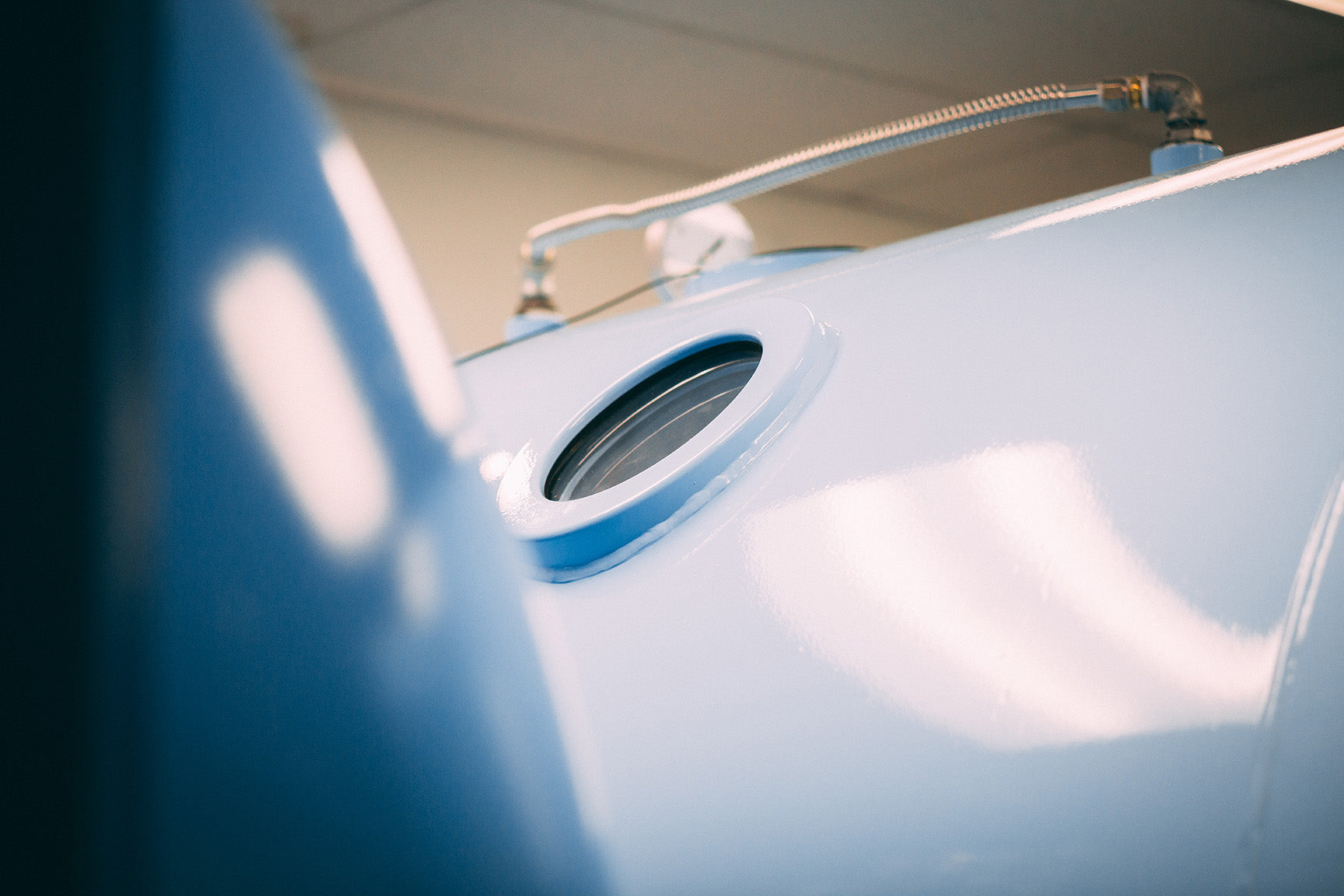
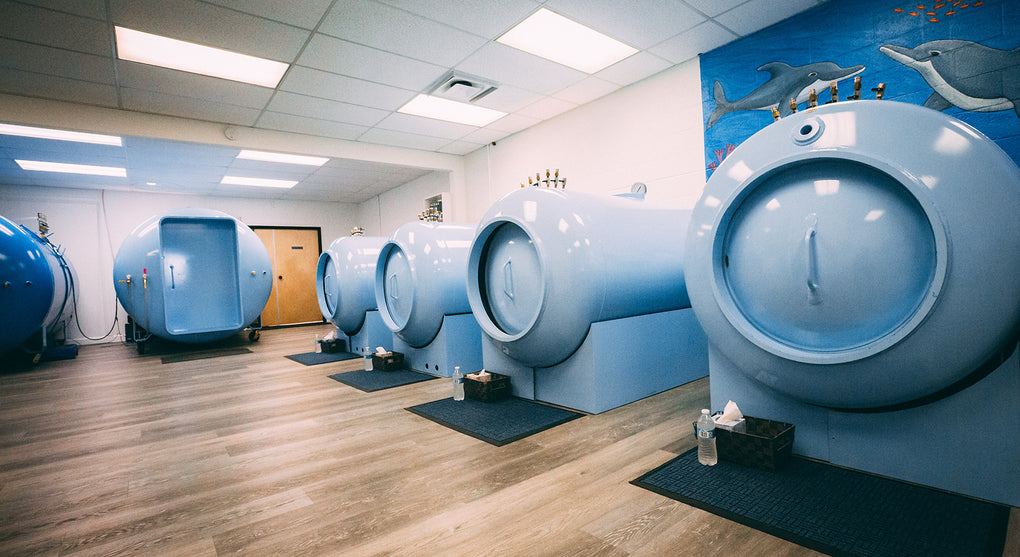
Our clinic uses medical hyperbaric equipment with preparation, monitoring, and communication throughout treatment. Device clearance does not mean that HBOT is an FDA-approved treatment for ME/CFS.
You breathe oxygen through a dedicated mask or hood while the chamber is pressurized with air. The treatment prescription includes the pressure, duration, and any planned air breaks.
Our technicians are certified through the National Hyperbaric Safety Association. Let us know about fatigue, sensory sensitivities, ear pressure, or positioning needs so we can discuss preparation before your visit.
Get familiar before you arrive
See the team and equipment, and tell us what would help you prepare for an appointment.
Make the decision manageable
Tell us when symptoms began, what a typical day looks like, and what causes a setback. Bring previous testing and your current care plan so we can build on work already done.
Discuss two or three priorities, such as clearer thinking or greater ease with an essential daily task. Include delayed symptoms and recovery time when judging change.
Your clinician reviews suitability, risks, scheduling, and the likely cost of a prescribed course. Travel, waiting, and time in the chamber all count toward your total visit burden.
Track how you are doing during and between visits. Meaningful improvement, lack of progress, or worsening symptoms should guide whether treatment continues, changes, pauses, or stops.
Activity management means finding a sustainable balance of effort and rest. An appointment can be exertion too. Share any history of PEM and plan around your own limits; there is no requirement to increase activity just because you feel better for a day.15
Tell the team about increased fatigue or a crash. Do not assume worsening is temporary or necessary for benefit. Your clinician should review it before further sessions. If leaving home causes prolonged deterioration, contact the team before arranging travel.
Know the plan and the cost
ME/CFS is not among Medicare’s covered HBOT indications, so expect to discuss self-pay options and check your own plan before relying on reimbursement.18
RX-O2 offers treatment packages and a membership for eligible patients after an initial package. Start with a clinical recommendation, then review the purchasing option that fits the prescribed care. Compare current packages and membership terms.
Robert values returning for occasional treatment. His preference does not establish that maintenance prevents relapse or is necessary for other people with ME/CFS. Ongoing treatment should depend on reassessment, your response, and your priorities.
Questions before your first visit
Early findings justify a discussion of potential benefit, but HBOT is not an established cure or FDA-approved treatment for ME/CFS. A consultation can help you assess the evidence alongside your symptoms, medical history, and practical needs.
Some people develop ME/CFS after COVID, but not everyone with long COVID meets ME/CFS criteria. Overlapping fatigue or brain fog does not make the populations identical. We label related studies so you can see who was actually studied.
Yes. You can contact us with persistent fatigue and questions about HBOT. The clinical review may identify a need for further evaluation or another provider before any treatment decision. You do not need to choose a treatment package to begin the conversation.
There is no reliable way to predict the timing or size of a response. Robert described early improvement, but that is his experience. We recommend looking at patterns over time, including delayed symptoms, rather than judging the entire course from a single day.
Tell the clinical team before your next session. New or worsening fatigue can reflect the visit burden, PEM, treatment effects, or another problem. It should be assessed, not dismissed as a necessary adjustment. Significant worsening may call for a pause or stopping treatment.
There is no validated, universally effective course for ME/CFS. Research protocols vary, and a study’s session count should not automatically become your prescription. Discuss a proposed course, reassessment points, and total cost with the clinician.
No. Keep activity within your individual tolerance and follow a pacing plan developed with a clinician who understands ME/CFS. Fixed increases in activity or pushing through symptoms can trigger setbacks.15
A sleep disorder can add to fatigue and may have an effective treatment of its own. Identifying it does not invalidate ME/CFS or mean every symptom will resolve. Continue prescribed sleep treatment while discussing other options.14
We review ear and sinus problems, lung history, medications, glucose management when relevant, anxiety in enclosed spaces, and your ability to tolerate visits. Ear discomfort and temporary vision changes can occur; oxygen-related seizures and lung injury are less common risks. Untreated pneumothorax is a contraindication.16
Follow the team’s clothing and equipment instructions. Unapproved electronics and batteries stay outside the chamber; safe use requires strict attention to oxygen and fire precautions.17
No membership is required to book a consultation. Whether continued treatment is appropriate should follow a clinical reassessment. ME/CFS research has not established a standard maintenance schedule. Current eligibility and membership terms are on our pricing page.
Bring a medication list, relevant test results, your current providers’ details, and notes on fatigue, sleep, and PEM. Choose Scottsdale or Glendale based on appointment availability and the travel demands you can manage. Call ahead about support or accessibility needs.
Local care, two Valley locations
Looking for a hyperbaric consultation near Phoenix? RX-O2 offers two locations for patients across the Valley. Call the clinic closest to you for appointment availability and help planning repeat visits.
An East Valley option for patients in Scottsdale, Paradise Valley, Fountain Hills, and nearby communities.
A West Valley option for patients in Glendale, Peoria, Phoenix, and nearby communities.
Start with a conversation
You deserve time to discuss your symptoms, your hopes, and your questions. Meet with the RX-O2 team in Scottsdale or Glendale to consider your next step.
Selected clinical studies, mechanistic research, and care guidance. Reviews may include overlapping trials and are not independent patient populations. Direct ME/CFS evidence is preliminary. Studies of long COVID and laboratory models answer different questions and should not be treated as equivalent evidence.
Literature checked September 15, 2026. Research links open the original publication or guideline. The PubMed links show a current search; new studies require review before their findings are added here. Educational information does not replace diagnosis or an individual treatment plan.