
01 / Joint comfort · Human pilot
A potential role in symptom relief
A small rheumatoid-arthritis study reported reduced pain and improvements in disease-activity measures after HBOT. These early findings merit further controlled research.1
Scottsdale & Glendale, Arizona
When joint pain limits your day, understanding your options matters. Early research points to potential benefits for rheumatoid-arthritis symptoms and recovery after knee replacement. Explore the evidence with RX-O2 and discuss whether HBOT could complement your care.1, 2
HBOT for arthritis is an emerging, off-label use. Evidence is limited and varies by diagnosis; treatment, if prescribed, complements ongoing rheumatology or orthopedic care.
Understanding the possibilities
Arthritis describes different joint diseases. Rheumatoid arthritis involves autoimmune inflammation; osteoarthritis involves changes across the joint, including cartilage and underlying bone. Your diagnosis helps determine which research is relevant.9, 10
01 / Joint comfort · Human pilot
A small rheumatoid-arthritis study reported reduced pain and improvements in disease-activity measures after HBOT. These early findings merit further controlled research.1
02 / Recovery · Human trial
A randomized knee-replacement trial reported favorable early pain, swelling, and muscle-recovery outcomes. This research concerns postoperative recovery.2
03 / Joint biology · Animal research
Recent animal studies explore effects on cartilage integrity and abnormal blood-vessel signaling beneath the joint surface. Human cartilage restoration has not been established.3, 5
Start with what matters to you. Easier walking, more comfortable daily tasks, or getting back to rehabilitation may be goals worth discussing. A consultation connects those goals with your diagnosis, current treatment, and the limits of the evidence.
Published research
Literature checked
Explore selected studies below. Human trials, follow-up reports, and laboratory research contribute different kinds of evidence; they should not be counted as equivalent proof of benefit.
Rheumatoid arthritis · 2021
10 participants · Uncontrolled pilot study
Participants received 30 HBOT sessions over six to ten weeks. Investigators reported lower pain scores at the end of treatment and improvements in selected disease-activity comparisons at three and six months.
Two participants already in remission were excluded from disease-activity analyses. Without a control group, the study cannot establish how much improvement was caused by HBOT.
Read the rheumatoid-arthritis pilotKnee-replacement recovery · 2025
80 randomized · Single-center controlled trial
Patients undergoing knee replacement for osteoarthritis received standard care with either HBOT or oxygen at normal pressure. The HBOT group showed better early muscle-injury and inflammation measures, with favorable pain and mobility findings.
Two HBOT participants withdrew, leaving 78 for follow-up. The study assessed early recovery and does not establish lasting benefit or treatment of osteoarthritis without surgery.
Read the knee-replacement trialOsteoarthritis biology · 2026
Rat model · Preclinical research
In a post-traumatic osteoarthritis model, HBOT begun after disease was established was associated with less pain-related sensitivity, more favorable circulation measurements beneath the cartilage, and better cartilage findings.
This is animal research. It supports investigation of joint-protection mechanisms and does not show that HBOT regrows cartilage, reverses arthritis, or prevents joint replacement in people.
Read the 2026 osteoarthritis studyHow to use these findings: The research offers reasons for a thoughtful consultation, while larger, well-controlled studies are needed to establish benefit for arthritis itself. Results in one diagnosis or surgical setting cannot be extended to every inflammatory condition.
Explore the wider evidence
Open a study to see what it adds. The MRI follow-up below involves participants from the earlier rheumatoid-arthritis pilot; it is not an independent treatment trial.
Zhou and colleagues discuss how HBOT might influence the low-oxygen environment of diseased joints, oxidative stress, inflammatory signaling, and tissue repair. The review identifies potential advantages and research gaps. It summarizes proposed mechanisms and earlier literature; it does not supply new patient-trial results. Read the osteoarthritis review.
Wang and colleagues reported slower osteoarthritis progression in mice and investigated a pathway called PHD2/HIF-1α. Their experiments suggest that HBOT can influence abnormal vessel formation in the bone beneath cartilage. Related cell experiments explored cartilage-forming activity. These findings explain a possible mechanism, not a proven human treatment effect. Read the mouse and cell study.
An experimental study compared HBOT, antirheumatic medicines, and combinations of the two. Treated groups had improvements in arthritis scores, swelling, and selected inflammatory markers. Combining treatments produced effects similar to the individual therapies in this model. The findings do not establish an added benefit in humans or justify replacing prescribed arthritis medication. Read the inflammatory-arthritis animal study.
Follow-up imaging from the earlier rheumatoid-arthritis pilot found no progression of joint erosions, synovitis, or bone-marrow edema in nine participants at three and six months. This observation is encouraging, but stable scans are not evidence of reversed damage. Without an untreated comparison group, the report cannot establish that HBOT prevented progression. Read the MRI follow-up report.
Researchers studying experimentally induced arthritis found changes in inflammatory and regulatory T-cell markers, alongside less paw swelling. Not every measured marker improved significantly. This work adds to the biological rationale for studying HBOT as an adjunct; it does not demonstrate immune-system correction in patients. Read the immune-signaling study.
Find newer arthritis and HBOT research on PubMed · Live results may include publications that have not been assessed for this page.
Your diagnosis. Your priorities.
Whether you are managing inflammatory arthritis, living with osteoarthritis, or planning recovery after joint surgery, bring your current care plan to the consultation. We can discuss what the research may mean for your situation.
Tracking a few practical measures before treatment can help you and your care team assess change. Discuss a reassessment point and what would justify continuing, adjusting, or stopping a prescribed course.
Keep your specialist involved. Continue prescribed medicines, including DMARDs or biologics, and your recommended rehabilitation. Medication changes belong with your prescribing clinician. HBOT should not delay diagnosis or established treatment.9
The RX-O2 difference
From your first questions to each treatment visit, our Scottsdale and Glendale clinics focus on medical oversight, patient education, and attentive care.
Medical Director Marvin A. Borsand, DO, FACOS, FACCS, HCC, leads clinical oversight. A licensed medical provider evaluates suitability and prescribes treatment when appropriate.
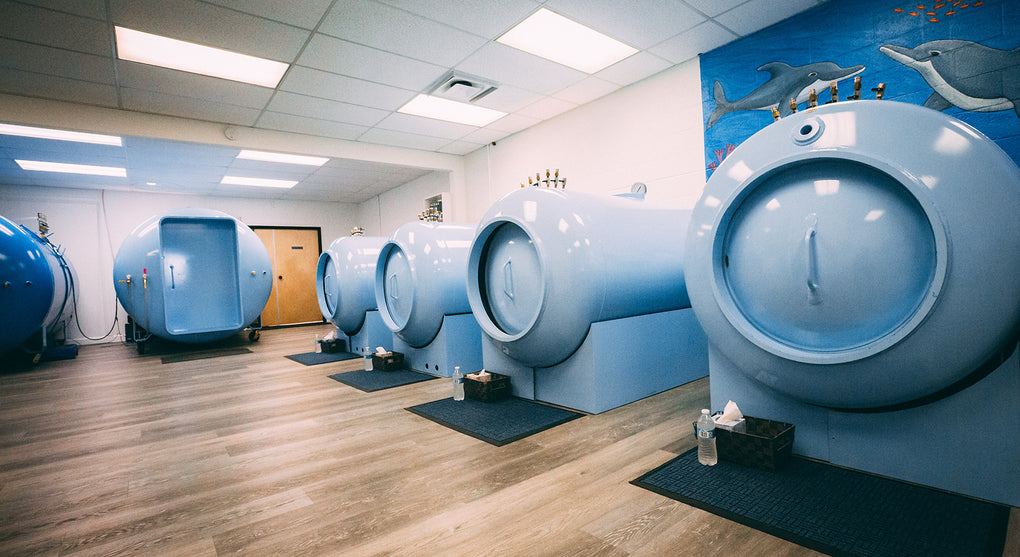
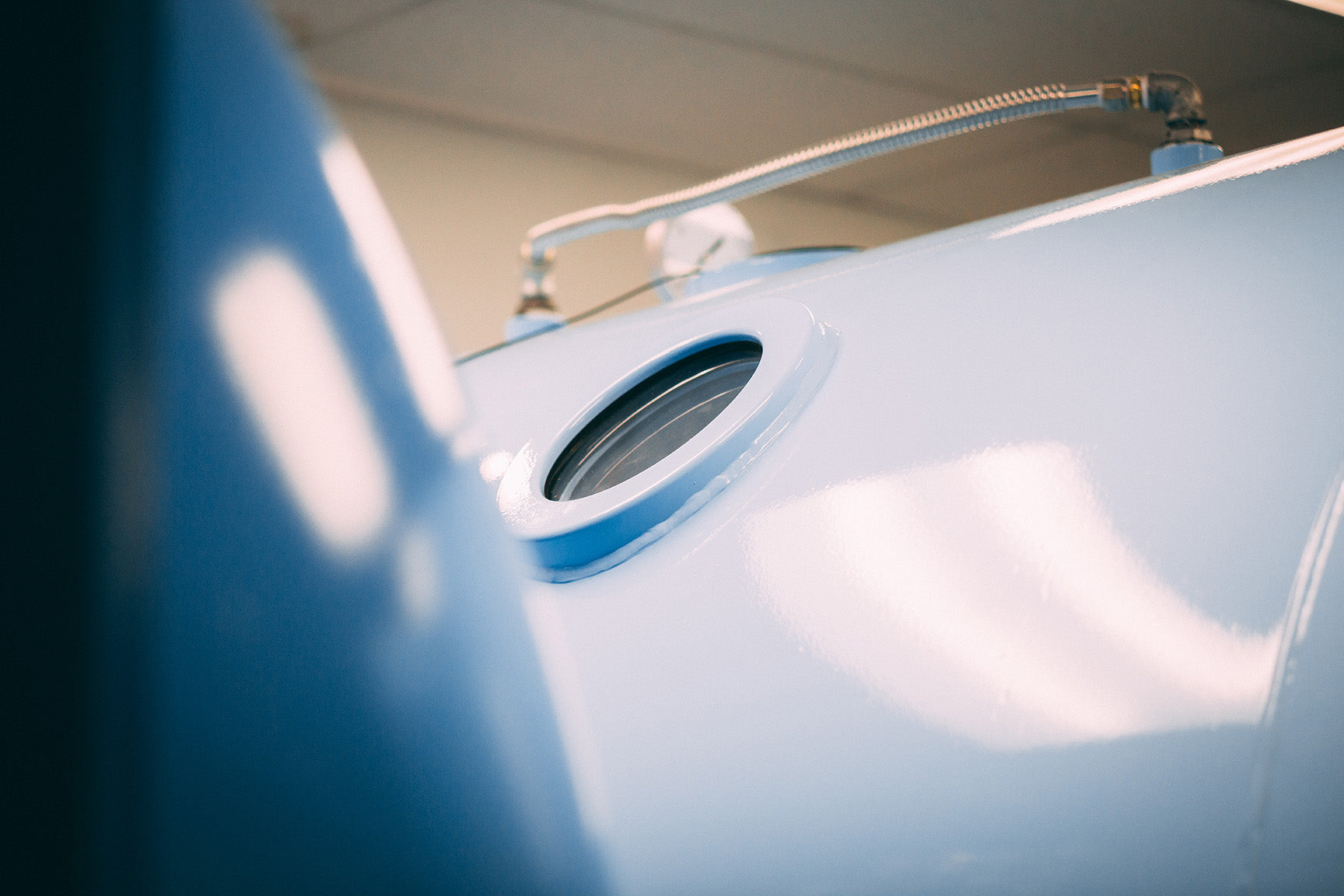
Our facilities use prescription-level hyperbaric systems, with chamber selection and treatment settings matched to your prescribed plan.
You breathe oxygen through a dedicated mask or hood while the chamber is pressurized with air. Your technicians monitor you throughout treatment.
Our technicians are certified through the National Hyperbaric Safety Association and trained in chamber operations, patient monitoring, and emergency procedures.
Getting started
Bring your diagnosis, medication list, relevant imaging or lab reports, and your rheumatology or orthopedic treatment plan.
A licensed medical provider considers the evidence, your health history, treatment risks, and goals before deciding whether HBOT is appropriate.
If treatment is prescribed, agree on the schedule, costs, practical needs, and a point to review your response with your care team.
Explore the commitment before purchasing. Our pricing and packages page lists current options. Discuss medical suitability first; a research study’s schedule is not a prescription for every person with arthritis.
Local care, two Valley locations
Looking for a hyperbaric consultation near Phoenix? RX-O2 offers two locations for patients across the Valley. Call the clinic closest to you for appointment availability and help planning repeat visits.
An East Valley option for patients in Scottsdale, Paradise Valley, Fountain Hills, and nearby communities.
A West Valley option for patients in Glendale, Peoria, Phoenix, and nearby communities.
Before your consultation
Bring your questions about the evidence, your diagnosis, and what treatment visits would involve.
Early findings suggest potential benefit in selected settings, but the likelihood and size of benefit remain uncertain. Your diagnosis, current care, goals, and medical suitability determine whether an off-label consultation is reasonable.
No. The rheumatoid-arthritis evidence highlighted here includes a small uncontrolled human pilot. Much of the osteoarthritis research concerns animal models; the human trial on this page concerns recovery after knee replacement. These findings address different questions.
Cartilage research is promising at the experimental level, but human cartilage regrowth and avoidance of joint replacement have not been established. Discuss joint-preserving care and surgery decisions with your orthopedic specialist.
Yes. Bring your surgery and rehabilitation plan so the potential role, timing, and practical requirements can be discussed with your surgeon. The published trial focused on early postoperative care; it does not define a universal outpatient protocol.
Arthritis treatment is an off-label use of HBOT. RX-O2 uses FDA-cleared chambers; equipment clearance does not establish approval or effectiveness for arthritis.
There is no established HBOT course that applies to all types of arthritis. If treatment is prescribed, the provider will discuss a schedule and reassessment plan. Ask about visit frequency, overall cost, and realistic goals before purchasing a package.
Tell the provider about lung conditions, ear or sinus problems, implanted devices, and all medicines. Discuss joint positioning and mobility assistance. Possible side effects include ear-pressure injury, temporary vision changes, and confinement anxiety; less common serious risks include oxygen toxicity and lung pressure injury. Electronics and battery-powered devices are prohibited inside RX-O2 chambers.11, 12
RX-O2 has Scottsdale and Glendale clinics. Book online, call 480-270-6090 for Scottsdale, or call 623-930-0887 for Glendale. Let the team know about mobility or positioning needs when you arrange your visit.
Explore the research and your joint-health goals with a physician-led team in Scottsdale or Glendale.
Eight selected research publications are discussed on this page. The rheumatoid-arthritis MRI report follows an earlier pilot cohort, and reviews summarize previous work; these are not additional independent treatment trials. Other references cover medical care and treatment safety.
Literature checked September 10, 2026. This source-check date does not represent an independent physician-review attestation or an exhaustive systematic review. Research summaries are educational; your clinical evaluation determines whether treatment is appropriate.