
01 / Thinking and cognition
Exploring cognitive recovery
A small study of cardiac-arrest survivors reported improved overall cognitive and executive-function scores after HBOT, even months to years after the event.1
Scottsdale & Glendale, Arizona
After a brain injury caused by oxygen deprivation, every step toward recovery matters. Published clinical reports describe encouraging changes in thinking, responsiveness, and function. Explore the research with RX-O2 and discuss whether HBOT could complement your rehabilitation plan.1, 2, 3
HBOT for recovery after anoxic or hypoxic brain injury is an emerging, off-label use. Outpatient evaluation follows medical stabilization; emergency and hospital care come first.
Understanding the possibilities
Anoxic injury involves a loss of oxygen supply; hypoxic injury involves too little oxygen. Cardiac arrest, drowning, and other medical events can cause these injuries. The cause, severity, and stage of recovery help determine which findings are relevant to you.10
01 / Thinking and cognition
A small study of cardiac-arrest survivors reported improved overall cognitive and executive-function scores after HBOT, even months to years after the event.1
02 / Awareness and response
An observational rehabilitation study reported better consciousness-scale outcomes in some HBOT groups. Its nonrandomized design leaves the size and reliability of benefit uncertain.2
03 / Everyday abilities
A pediatric drowning case described improvements in head control, muscle tone, and nonverbal communication during multidisciplinary care that included HBOT. A single case cannot predict another person’s recovery.3
Bring your goals into the conversation. Share what you hope to improve, what rehabilitation is already helping, and what challenges remain. A consultation can help you weigh the potential role of HBOT within that broader plan.
Published research
Literature checked
These reports provide a basis for an informed discussion. Each involves a particular population and treatment setting, so findings should be considered alongside your own medical history.
Cardiac-arrest recovery · 2015
11 adults · Retrospective, uncontrolled series
Participants began HBOT between six months and 7.5 years after cardiac arrest. Overall cognitive and executive-function scores improved, with related changes in brain-perfusion imaging.
There was no untreated comparison group. Memory and attention changes did not meet statistical significance in the full-text analysis. This small series supports further study and cannot predict an individual’s response.
Read the cardiac-arrest recovery studyNeurorehabilitation · 2019
Hypoxic-ischemic encephalopathy · Nonrandomized comparison
Researchers reported greater improvements on the Coma Recovery Scale–Revised in HBOT groups treated at one to three and four to eight months after injury, compared with patients who did not receive HBOT.
This was a small observational study with different timing groups. Treatment selection and other care can influence the findings. It does not establish a universal treatment window or show that outpatient HBOT is suitable for patients needing hospital-level support.
Read the rehabilitation studyRecovery after drowning · 2021
One child · Published case report
A report involving a five-year-old described reduced abnormal muscle tone and better head control and nonverbal communication as recovery progressed with HBOT and other treatment.
The child also received intensive medical care, medicines, physiotherapy, and normobaric oxygen. The report cannot isolate HBOT’s contribution or establish its effectiveness for drowning-related injury generally.
Read the pediatric drowning caseWhat this means for your next step: These findings offer reasons to discuss HBOT as an adjunct to rehabilitation. They do not establish that it reverses permanent brain injury, reliably restores consciousness, or produces the same benefit for everyone.
Explore the wider evidence
Expand a topic to see the population studied and the potential benefit being investigated. Newborn studies and animal experiments answer different questions from adult rehabilitation studies.
Huang and colleagues review possible effects on inflammation, oxidative stress, and mitochondrial function. Much of the rationale comes from experimental models, including focal ischemia. It is a review of possible mechanisms, not a new trial proving recovery after cardiac arrest. Read the 2026 review.
A review of perinatal asphyxia discusses oxygen delivery, cell survival, blood-vessel formation, and neural repair pathways, primarily in experimental research. The promising biology requires clinical confirmation and cannot be applied directly to an older child or adult. Read the 2024 perinatal review.
Xue and colleagues reported protection of myelin, the insulating material around nerve fibers, alongside changes in inflammatory and oxidative-stress markers after experimental hypoxic-ischemic injury. These animal findings help explain a possible biological effect; they do not establish nerve repair in patients. Read the experimental myelin study.
A meta-analysis of 46 trials involving 4,199 newborns reported favorable neurological-assessment results and fewer reported sequelae with adjunctive HBOT. All trials were conducted in China; many had unclear randomization, blinding, or allocation concealment, and follow-up was limited. The review did not establish added benefit over modern therapeutic-hypothermia care. These findings do not justify delaying neonatal intensive care or applying a newborn protocol to older patients. Read the neonatal meta-analysis.
Harch and Fogarty described neurological improvement and changes in brain volume on MRI in a two-year-old following sequential normobaric oxygen and hyperbaric treatment. This was one child receiving combined care, without a control. The observations do not establish brain regrowth from HBOT or show which part of treatment caused the changes. Read the case report.
Research watch · 2025 preprint
This feasibility study reports encouraging biological and cognitive signals in groups studied after cardiac arrest. It includes separate intensive-care and long-term-survivor cohorts. The linked version is a preprint that has not undergone peer review; its findings remain provisional and do not establish a treatment protocol. Read the HOT-RESUS 1 preprint.
Find newer anoxic and hypoxic brain-injury research on PubMed · Live search results may include papers that have not been assessed for this page.
For patients and care partners
Recovery goals are personal. You may be working on communication, thinking, mobility, or participation in everyday routines. Tell us what matters most and what your rehabilitation team is already tracking.
Bring a family member or care partner to the consultation when appropriate. Discuss transfers, positioning, the oxygen mask or hood, and any assistance needed before planning treatment visits.
Keep recovery coordinated. Continue neurological, cardiac, and rehabilitation care as recommended. HBOT, if prescribed, should fit alongside that plan. Patients who need ventilation, intensive monitoring, or acute medical support require a hospital team to determine the appropriate setting.
The RX-O2 difference
From your first questions to each treatment visit, our Scottsdale and Glendale clinics focus on medical oversight, patient education, and attentive care.
Medical Director Marvin A. Borsand, DO, FACOS, FACCS, HCC, leads clinical oversight. A licensed medical provider evaluates suitability and prescribes treatment when appropriate.
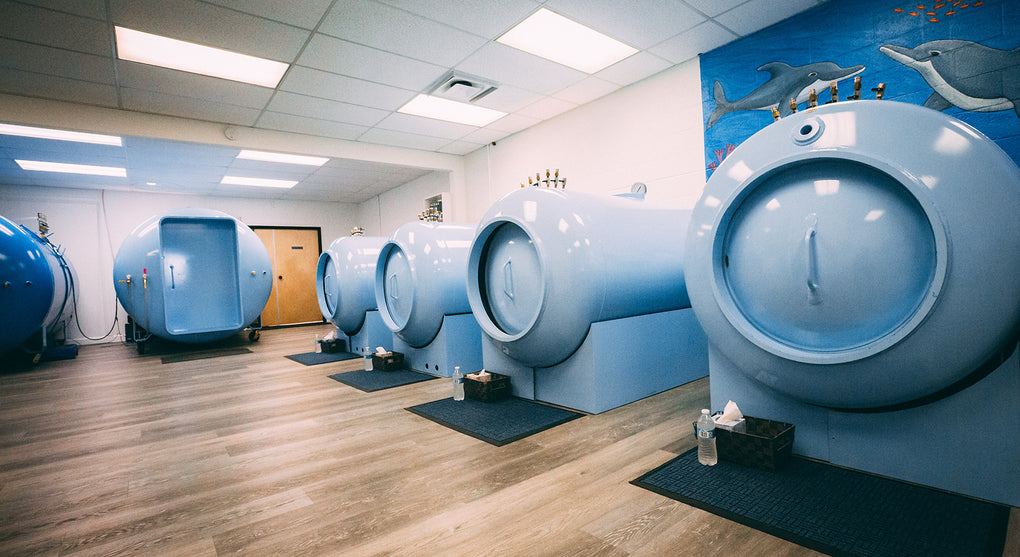
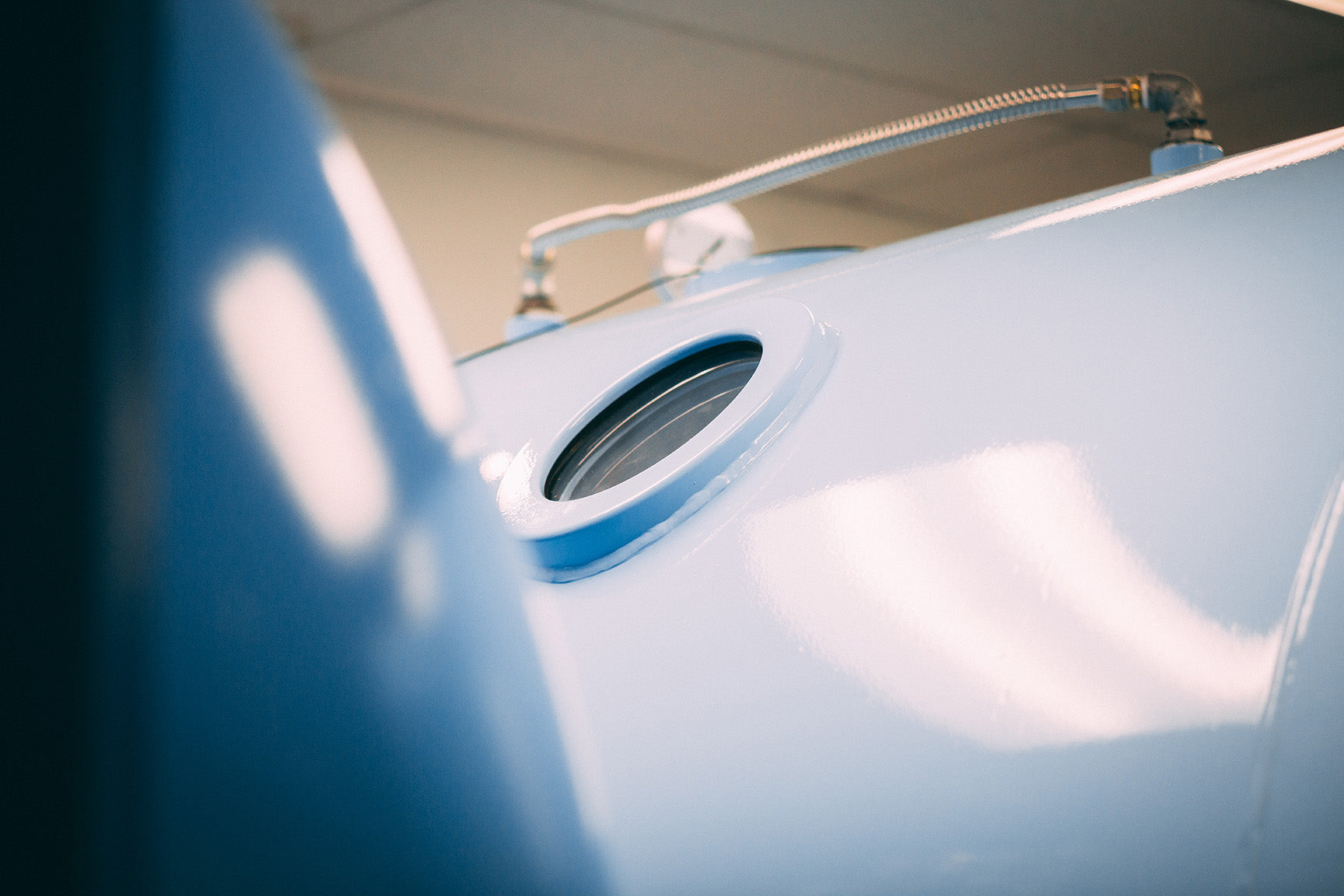
Our facilities use prescription-level hyperbaric systems, with chamber selection and treatment settings matched to your prescribed plan.
You breathe oxygen through a dedicated mask or hood while the chamber is pressurized with air. Your technicians monitor you throughout treatment.
Our technicians are certified through the National Hyperbaric Safety Association and trained in chamber operations, patient monitoring, and emergency procedures.
Getting started
Provide the hospital discharge summary, imaging reports, medication list, and recent neurology or rehabilitation assessments.
A licensed medical provider evaluates the potential role of HBOT, treatment risks, and whether the clinic setting can meet your needs.
If treatment is prescribed, agree on a schedule, practical goals, and a point to reassess response alongside ongoing rehabilitation.
Understand the commitment before purchasing. Visit our pricing and packages page for current options. There is no established HBOT course that applies to every anoxic or hypoxic brain injury; discuss suitability and costs first.
Local care, two Valley locations
Looking for a hyperbaric consultation near Phoenix? RX-O2 offers two locations for patients across the Valley. Call the clinic closest to you for appointment availability and help planning repeat visits.
An East Valley option for patients in Scottsdale, Paradise Valley, Fountain Hills, and nearby communities.
A West Valley option for patients in Glendale, Peoria, Phoenix, and nearby communities.
Before your consultation
Bring your questions. We can help you understand what the research may mean for your situation.
Published reports describe potential cognitive and functional benefits, but the evidence remains limited. A consultation can explore whether an off-label adjunct is reasonable for your diagnosis, stage of recovery, goals, and medical needs. No particular response can be promised.
Time since injury is one part of the evaluation. The cardiac-arrest series included people treated months to years later, so chronic symptoms can be discussed. That small study does not establish a reliable likelihood of benefit or a universal treatment window.1
Yes. Share the child’s hospital and rehabilitation records and ask whether an evaluation is appropriate. Published case reports are encouraging but cannot predict recovery. Children require individualized medical clearance and caregiver planning; newborn HIE studies concern a different clinical setting.
Recovery after anoxic or hypoxic brain injury is an off-label use. RX-O2 uses FDA-cleared chambers; equipment clearance does not establish approval or effectiveness for this indication.
No. Continue treatment recommended by your neurologist, cardiologist, and rehabilitation team. An HBOT consultation should not delay urgent treatment or replace physical, occupational, speech, or other prescribed therapy.
There is no established session count for all oxygen-deprivation brain injuries. Research schedules vary by population and treatment setting. If HBOT is prescribed, discuss visit frequency, reassessment, costs, and realistic goals before purchasing a package.
Let the provider know about seizures, lung conditions, ear or sinus problems, implanted devices, and all medicines. Discuss transfers, positioning, communication, and caregiver assistance. HBOT can cause ear-pressure injury, temporary vision changes, or confinement anxiety; less common serious risks include oxygen toxicity and lung pressure injury. Electronics and battery-powered devices are prohibited inside RX-O2 chambers.11, 12
Choose RX-O2 Scottsdale or Glendale. Book online, call 480-270-6090 for Scottsdale, or call 623-930-0887 for Glendale. Tell the team about assistance or accessibility needs when arranging the visit.
Bring your questions and recovery goals to a physician-led team in Scottsdale or Glendale.
This page discusses eight selected peer-reviewed research publications and one separately labeled preprint. Reviews summarize earlier work and are not additional independent patient trials. Other references address the condition and treatment safety.
Literature checked September 10, 2026. This is a source-check date, not an independent physician-review attestation or an exhaustive systematic review. For a new drowning event, collapse, trouble breathing, or sudden neurological change, call 911; do not wait for an outpatient consultation.